"Full bird" most commonly means one specific thing in American English: a full colonel, the O-6 rank in the U.S. military, named after the silver eagle insignia on the officer's collar. If you saw the phrase in a military context, that is almost certainly what it means. But if you encountered it somewhere else, like a poem, a social media caption, or a line of dialogue, the phrase could be doing something entirely different. This guide walks through every plausible meaning, shows you how to figure out which one applies, and maps the symbolism of birds to the "full/complete/maximum" vibe the phrase carries.
Full Bird Meaning: Literal and Symbolic Interpretations

Marcus Whitmore
12 Apr 2026
What "full bird" could mean: let's clear this up first
There are three realistic interpretations of "full bird meaning" depending on where you saw it. First, it is military slang for a colonel (O-6), the most common usage in American English. Second, it could be a literal description of a whole, complete bird as an animal or concept. Third, it could be a metaphor or figurative expression in a poem, lyric, or piece of creative writing where "bird" carries symbolic weight and "full" modifies that symbolism. The fastest way to disambiguate is to ask: where exactly did you see this phrase? A military memoir, a tattoo caption, a Twitter post, and a nature essay will each point you toward a completely different meaning.
What "bird" actually means on its own
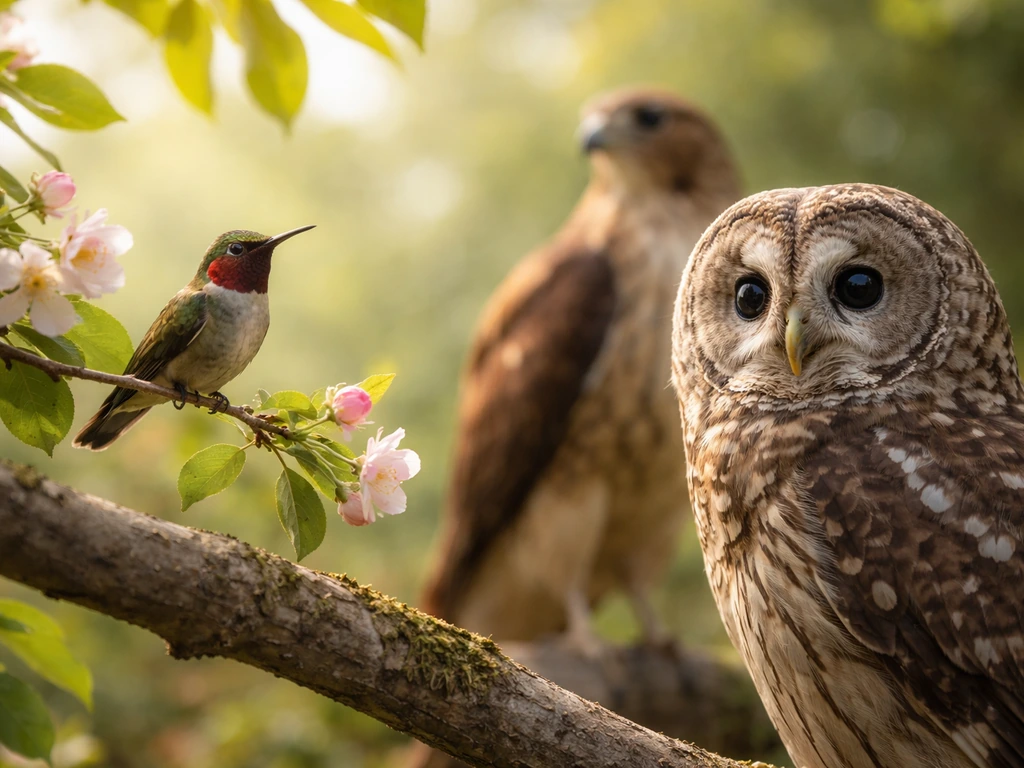
"Bird" is a deceptively flexible word. At its most literal, it names any member of the class Aves, the feathered, warm-blooded vertebrates that range from hummingbirds to ostriches. But the word has been doing metaphorical work in English for centuries. Merriam-Webster flags it as informal slang for "a peculiar person," and Cambridge's Learner's Dictionary lists it as informal British English for a young woman. Dictionary.com notes that "bird" frequently shows up with a qualifying adjective, giving us constructions like "rare bird" or "odd bird," meaning an unusual or eccentric person. Collins echoes that pattern, treating "bird" as a person-noun that takes on color from whatever adjective precedes it.
Then there is the gestural meaning. "Flipping the bird" has nothing to do with actual birds at all. It refers to extending the middle finger as an offensive gesture, and that usage is so well established it has its own documented linguistic history. So when you read "bird" in any context, the first question to ask is not "which species?" but "is this even about an animal at all?"
Numbers can attach to "bird" and shift the meaning further. If you have come across related phrases in the same source, it is worth knowing that expressions like two bird meaning or one bird meaning each carry their own interpretive baggage depending on context, and comparing them can help you triangulate what the author intended.
How "full" changes everything
"Full" is one of the hardest adjectives in English to pin down because it operates in so many registers. Cambridge Dictionary presents "full" explicitly as meaning "complete," the sense of lacking nothing. Collins extends that to cover both "entire/whole" and "maximum capacity," as in "full speed" or "full strength." Merriam-Webster's entry for "full-grown" captures the developmental angle: something that has reached its complete, mature state. So when "full" attaches to a noun, it usually signals one of three things: totality (the complete version of something), maximum intensity (the strongest or most of something), or maturity (the developed, finished form).
That is exactly why "full bird" works so well as military slang. A lieutenant colonel is sometimes called a "light bird" or "half bird" in the ranks, because the lieutenant colonel's insignia features a silver oak leaf rather than the full eagle. In a military slang glossary entry for “light bird,” “light bird” is described as the colloquial for lieutenant colonel (O-5) and is contrasted with “full bird. ” [“light bird” as the colloquial for lieutenant colonel (O-5)](https://www.
combat. ws/S4/MILTERMS/MT-L. HTM). A colonel gets the entire eagle, so the rank earned the label "full bird.
" The contrast is baked into the language itself. If you want to explore that lighter-rank side of things, the concept of half bird meaning is its own rabbit hole worth understanding alongside this one.
Outside the military, "full" attached to "bird" in creative or symbolic writing is more likely to mean complete freedom, total wildness, or the bird at its most archetypal, nothing held back. That is a different kind of "full" from the rank-based usage, but both share the same core logic: the complete, undiminished version of the thing.
The military meaning: full bird colonel
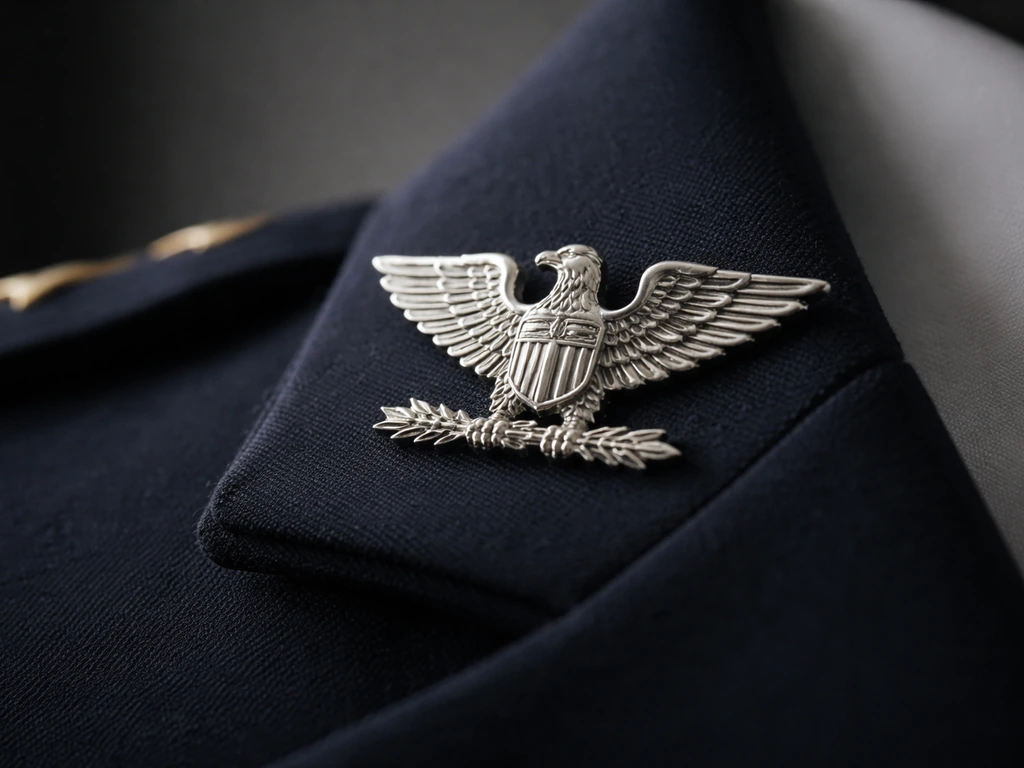
In U. S. military culture, "full bird" is shorthand for a full colonel, the O-6 pay grade. The nickname comes from the silver eagle insignia worn on the collar or shoulder, which distinguishes the rank visually from a lieutenant colonel's oak leaf.
Wikipedia's entry on the United States Marine Corps confirms this explicitly, noting that "full-bird" means Colonel and is contrasted with "half-bird" or "light colonel. " The Air Force uses the same system: a lieutenant colonel may be informally called a "light bird," while the colonel above them is the "full bird. On Reddit’s r/AirForce, users also discuss “[full bird](https://www. reddit.
com/r/AirForce/comments/pxyv00)” in relation to distinguishing O-6 colonels from O-5 lieutenant colonels, including the eagle versus oak leaf insignia. " Military slang glossaries list the contrast as "full-bird vs. light-bird," with O-6 firmly occupying the full-bird slot.
This usage is specific enough that context almost always makes it obvious. If the sentence mentions rank, military branches, promotion boards, or officer grades, you are in full-bird-colonel territory. The phrase appears in military memoirs, veteran forums, defense journalism, and casual conversation among servicemembers and their families. It is not metaphorical or ambiguous in that setting.
Bird symbolism that maps to "full, complete, maximum"
If the phrase appears in a creative, spiritual, or poetic context rather than a military one, then you are looking at symbolic territory. Birds carry a surprisingly consistent set of meanings across cultures, and several of them align naturally with the "full/whole/maximum" vibe.
Freedom and limitless possibility
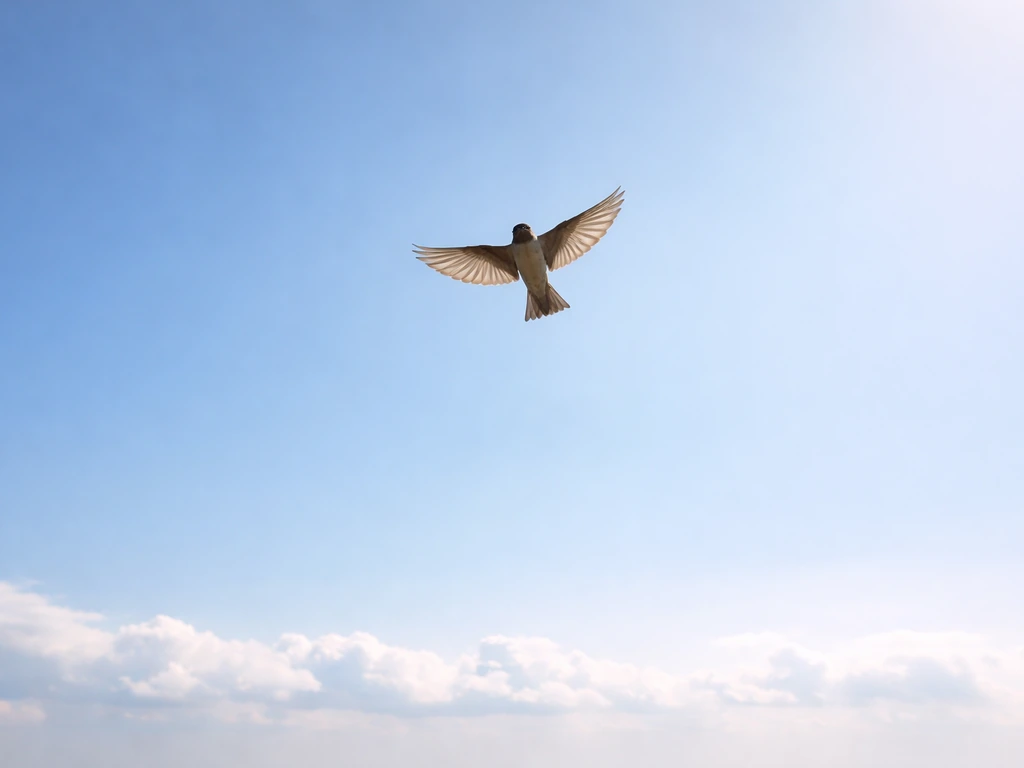
Flight is the defining metaphor. Birds move in three dimensions when most creatures are stuck to the ground, which makes them universal symbols of freedom and transcendence. A "full bird" in a symbolic reading could mean complete freedom, the kind with no cages and no clipped wings. That interpretation fits naturally into contexts where someone is talking about reaching their full potential or living without restraint.
Wholeness and abundance
Birds appear in abundance symbolism across many traditions. In Christian scripture, birds are repeatedly used to illustrate God's provision, with passages emphasizing that not even a sparrow falls unnoticed. The dove, documented in Wikipedia's overview of dove symbolism, carries layered meanings tied to the Holy Spirit, peace, and covenant, all of which involve a sense of completeness and divine fullness. The bald eagle, which the AP reported as being recognized as the official U.S. bird in 2025, is tied directly to national pride, hope, and strength, the apex version of what a bird can represent in American culture. That "peak of what's possible" reading is very close to the "full" sense.
Spiritual power and ceremonial significance
Among Pueblo and Iroquois groups, eagle dances are associated with petitions for rain, peace, and healing, according to Wikipedia's documentation of eagle dance traditions. Eagle dance traditions among the Pueblos and the Iroquois are documented as being used to ask for rain, for peace, and for healing blank" rel="noopener noreferrer">eagle dances are associated with petitions for rain, peace, and healing. Eagles specifically appear in numerous Native American mythologies as messengers between humans and the divine, a role that positions the bird as a conduit for something complete and powerful. If you encountered "full bird" in a context drawing on Indigenous American symbolism or spirituality, that ceremonial, peak-power interpretation is worth considering.
Rare and exceptional personhood
Given that "bird" can mean a person with a particular quality ("rare bird," "odd bird"), a "full bird" in informal or literary writing could mean a fully realized person, someone who has completely become what they are. It is a less common reading, but it is internally consistent with how the word works in English.
Is it an idiom or slang? How to tell
The fastest diagnostic is to look at the surrounding language. Military context points immediately to the colonel rank. Poetic or spiritual context points to symbolism. Casual social media use with no obvious reference group is the hardest case, but even there you can narrow it down by asking a few questions.
- Where did you see the phrase? A military forum, a poem, a lyrics site, a tattoo description, a news article, and a philosophy blog will each use "full bird" with completely different intentions.
- Is the word "bird" doing person-meaning or animal-meaning work? If the surrounding text is about people, rank, or status, lean toward slang. If it is about nature, flight, or spirit, lean toward symbolism.
- Are there other "bird" variants nearby? If the same source uses phrases like "half bird" or mentions ranks and grades, the military reading is almost certain.
- Does the sentence have a qualifying adjective structure? Phrases like "a full bird of a [something]" follow the informal-person pattern and suggest a figurative usage about a type of person.
- Is the tone reverent, humorous, or factual? Military slang tends to be matter-of-fact or lightly ironic. Symbolic usage tends toward reverence. Slang from social media often carries humor.
It also helps to know the broader ecosystem of number-and-bird phrases. The phrase double bird meaning follows a completely different logic from "full bird," and so does quarter bird meaning. Scanning whether your source uses any of those parallel constructions can tell you a lot about whether the author is working in military rank language, drug slang, or something else entirely.
Full bird vs. related bird phrases: a quick comparison

| Phrase | Most Common Meaning | Context Clues | Symbolic Register |
|---|---|---|---|
| Full bird | Colonel (O-6) in U.S. military | Military rank, officer conversation | Completion, peak status, authority |
| Half bird | Lieutenant colonel (light colonel) | Military rank contrast with full bird | Partial, intermediate, transitional |
| Light bird | Lieutenant colonel (same as half bird) | Air Force and Marine Corps slang | Lesser version of full rank |
| Rare bird | An unusual or exceptional person | Literary, conversational | Uniqueness, exceptionalism |
| Flip the bird | Offensive middle-finger gesture | Casual speech, no animal reference | Defiance, disrespect |
| Third bird | Context-dependent; may reference third in a sequence | Varies by source | Sequence, order, pattern |
The table makes clear that most number- or adjective-plus-bird phrases are doing slang or rank work rather than literal animal description. "Full bird" sits at the high end of the authority spectrum in military usage. For deeper reading on adjacent phrases, third bird meaning explores what happens when ordinal numbers attach to "bird," which is a useful comparison point.
How to read your source text and get to the right interpretation
Here is a practical checklist for anyone still uncertain after reading this far. Work through it in order and you will land on the right interpretation in almost every case.
- Identify the genre of the source: military, literary, social media, spiritual, or general conversation. Genre is the single most reliable filter.
- Check whether any rank, branch of service, or officer grade appears anywhere nearby. If yes, the military colonel reading is your answer.
- Look at whether "bird" is modified by any other language that signals person-meaning (pronouns like "he" or "she" referring back to it, verbs like "promoted" or "served").
- If the context is creative or spiritual, map the bird symbolism to the themes in the surrounding text: Is the piece about freedom, transcendence, wholeness, hope, or power? Match that theme to the bird symbolism covered in the section above.
- If none of the above works, search the exact surrounding phrase, not just "full bird," in a search engine. A two- or three-word phrase almost always leads to a definitive source.
- When in doubt, flag both the military and symbolic readings as live possibilities and note which one fits the tone better. You do not always need a single definitive answer.
One thing worth noting: the phrase "full bird" is specific enough that genuine ambiguity is rare. Most of the time, three or four words of surrounding context will make the meaning obvious. The cases that stay genuinely unclear are usually creative writing where ambiguity is intentional, and in those cases the author probably wants you to sit with both readings at once.
If you are still mapping your way through the broader landscape of bird-related language and what different numeric or qualifier-based variants mean, comparing half bird meaning directly against "full bird" is one of the most clarifying exercises you can do. The contrast between the two terms, one implying completion and one implying something partial or intermediate, sharpens what "full" is actually contributing to the phrase.
The bottom line: if it is military, "full bird" means colonel. If it is symbolic or poetic, it most likely means a bird, and the quality of birdness itself, at its most complete: free, powerful, and fully realized. Either way, the word "full" is doing exactly what it sounds like it should. It means the whole thing, nothing held back.
FAQ
Is “full bird” ever used to mean a specific bird species (like an eagle)?
Rarely. Outside the military-rank slang, “full bird” is usually figurative, so the bird type matters only if the sentence or artwork explicitly names it (for example, eagle or dove). Without a named species, assume symbolic “birdness” rather than a literal animal.
How can I tell quickly if “full bird” is U.S. military slang or just poetic language?
Look for rank infrastructure cues within the same sentence or two: officer grades, branches (Army, Air Force, Marines), insignia, promotions, or collar/shoulder gear. If those elements are absent, the phrase is more likely metaphorical or creative writing.
Does “full bird” mean the same thing in other countries’ militaries?
Not automatically. The “full bird” nickname is specifically tied to U.S. officer ranks and the eagle insignia distinction. If you are reading non-U.S. material, treat it as a likely translation or adaptation and confirm the rank context.
Can “full bird” appear in negative or sarcastic ways in military slang?
Yes. Even though the term denotes an O-6 colonel, it can be used with tone to imply formality, authority, or officious behavior. In that case, the meaning is still “colonel,” but the speaker’s attitude changes the implication.
What should I do if the text uses “full-bird,” “full bird,” or “fullbird”?
Treat them as the same phrase unless the surrounding writing signals otherwise. Hyphenation and spacing usually do not change meaning, but if the source consistently uses a custom nickname format for ranks, follow that local convention.
Is “full bird” ever confused with profanity involving “bird”?
It can be if the author also mentions gestures or uses the word “bird” alone. “Flipping the bird” is a separate idiom focused on the middle-finger gesture, so if the phrase includes “full,” “half,” “light,” or rank cues, it is about the “full/half bird” system rather than the gesture.
If the context mentions “half bird” or “light bird,” does that confirm the colonel meaning?
It strongly suggests it. In the U.S. slang pattern, “light bird” aligns with lieutenant colonel, and “half bird” is typically the intermediate or partial counterpart, so paired numeric or comparative terms usually lock “full bird” to O-6.
Could “full bird” mean “fully realized person” in informal writing?
Yes, that is possible when “bird” is being used as “a person with a trait” (like “rare bird” or “odd bird”). In that case, “full bird” would imply someone at their most complete version, but you need explicit language about character, identity, or personal transformation to justify that reading.
What if the passage is poetic and ambiguous, can it be both rank and symbolism at once?
It can, especially if the author has a military background or is layering meanings. Check for subtle anchors like uniforms, insignia, or officer references. If none exist, symbolism is the safer primary reading, but you can keep the military idea as a secondary interpretation.
Next Article
War Bird Meaning: Literal, Slang, and Historical Uses
Understand war bird meaning: literal, slang metaphor for fighters, and historical bird symbolism, plus close phrase comp