
"Jay bird" can mean a few different things depending on what you're actually searching for. If you spotted a loud, crested bird in your yard and felt like it was trying to tell you something, you're in the right place. If you've heard someone use "jaybird" in a phrase and wondered what it means linguistically, that's worth unpacking too. This guide covers both angles: the spiritual and symbolic meaning people associate with seeing or hearing a jay, and the real vocal behavior behind those calls that can feel so uncannily pointed.
Jay Bird Meaning: Symbolism and Song Interpretation

Marcus Whitmore
8 Apr 2026
First, let's sort out what "jay bird" actually refers to
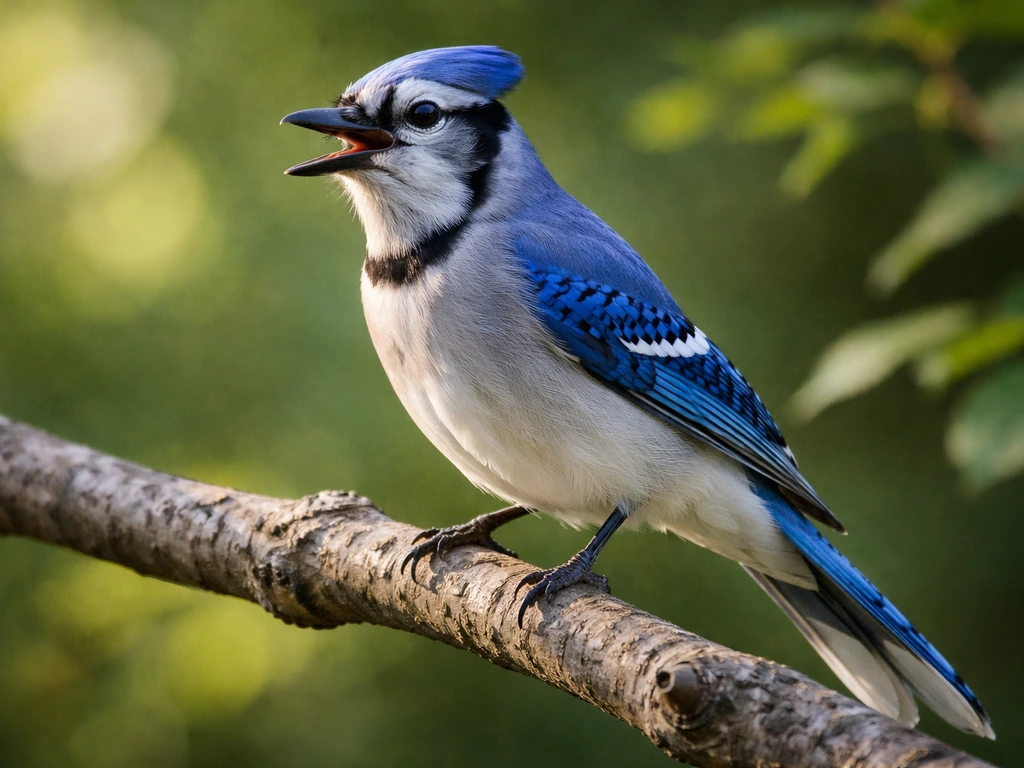
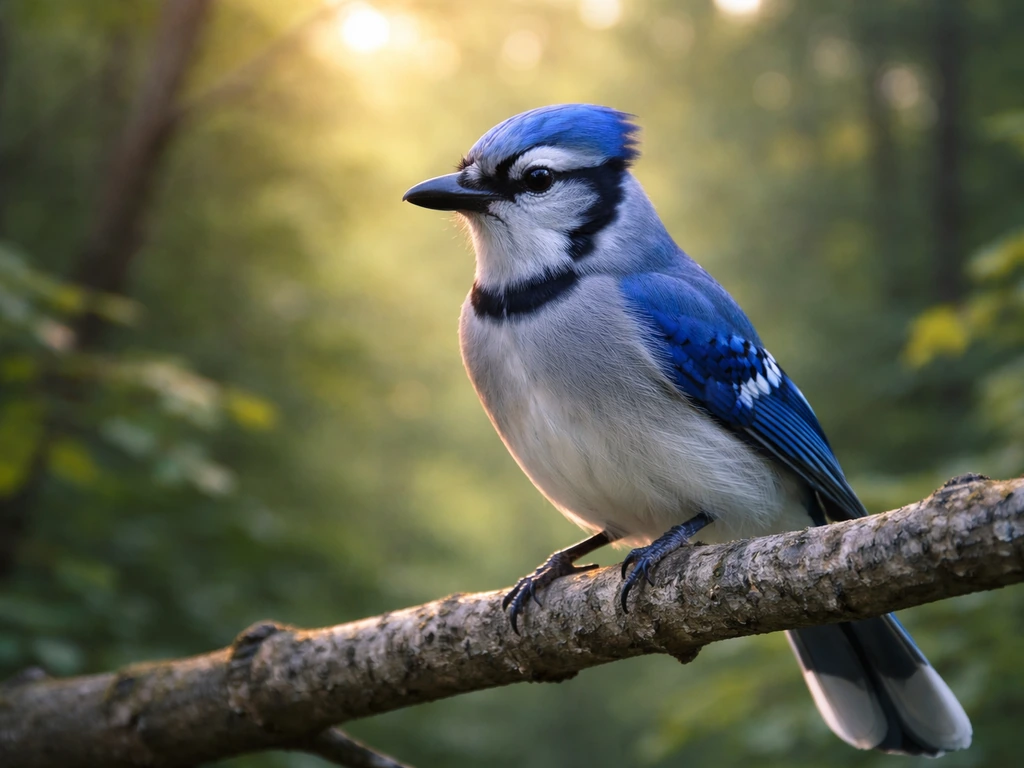
The word "jaybird" shows up in English in two very different contexts. As a bird, a jay is a colorful, noisy member of the crow family. In North America, the blue jay (Cyanocitta cristata) is the most recognizable, but Steller's jays, Florida scrub-jays, and others also carry the name. In Europe, the Eurasian jay is the local version. All of them share that signature loudness and intelligence.
As language, "jaybird" has a longer idiomatic history. Merriam-Webster documents it mainly through the idiom "naked as a jaybird," meaning completely nude. Etymonline traces older recorded senses tied to "anything undesirable," and notes it functions as an expression more than a technical bird-family label. So a lot of "jay bird meaning" searches online are mixing up the literal bird with the figurative phrase. If you're curious about a related letter-named bird expression, the g bird meaning follows a similar pattern of single-letter shorthand with layered meanings worth exploring.
For this article, the focus is on the actual bird: what it symbolizes spiritually, what its calls mean behaviorally, and how to read both without spiraling into superstition.
What seeing a jay bird spiritually means
The most consistent spiritual themes people attach to blue jay sightings are communication, confidence, and intelligence. Popular symbolic interpretations frame a jay sighting as reassurance that you're on the right path, or as a nudge to pay attention to something you may have been overlooking. Some sources frame it as a sign tied to loyalty in relationships or as encouragement to take action on something you've been hesitant about.
Whether you lean into those interpretations is entirely up to you, but it's worth knowing where they come from. Much of this lore is relatively recent and culturally specific. Indigenous traditions tend to be more nuanced: the Canada jay, for instance, is revered by some Indigenous peoples as both a sign of good fortune and a warning of danger, depending on context. European folklore has at times framed Eurasian jays as omens of disturbance. The idea of jays as a "message" bird appears across traditions, though the actual message varies widely.
The common thread is that jays are hard to ignore. They're loud, bold, and highly visible. When a bird demands your attention that aggressively, it's natural for the human brain to assign meaning to it. That's not a flaw in your thinking; it's a very old human instinct. The question is how to work with it thoughtfully.
Common spiritual themes people associate with jays
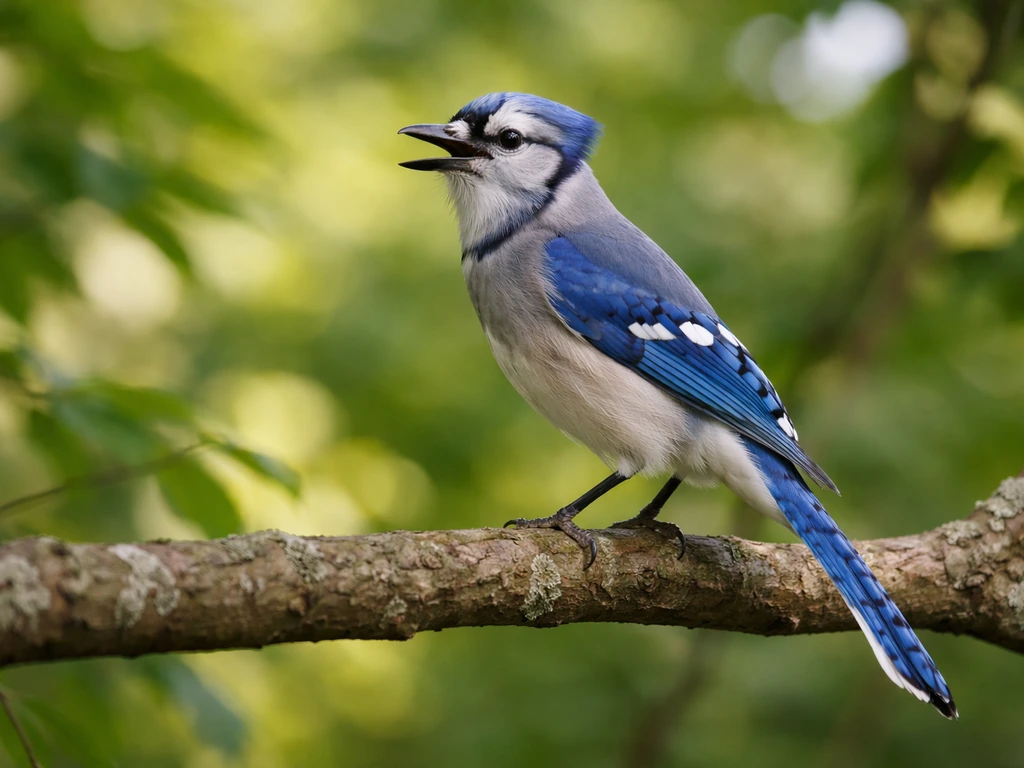
- Communication and self-expression: jays are among the most vocal birds in North America, so many people interpret a sighting as a prompt to speak up or assert themselves
- Confidence and boldness: jays don't back down easily, and that behavior gets mapped onto themes of courage and standing your ground
- Intelligence and resourcefulness: as corvids, jays are genuinely smart birds, and that reputation carries over into symbolic readings
- Loyalty and relationships: some interpretations connect jays to themes of partnership and vigilance over people you care about
- Warning or alertness: because jays are real alarm-callers in the wild, their presence during tense moments can feel like a signal to pay attention
Context matters more than the bird itself
If you want to interpret a jay sighting in a meaningful way, the details matter more than any general symbolic rulebook. Where were you? What were you thinking about or dealing with at the time? What was the jay actually doing? A jay perched calmly and watching you is a different encounter from one screaming alarm calls and mobbing a cat. Both are real jay behaviors, but they feel different and can be interpreted differently.
Time of day adds another layer. Early morning jay activity tends to be territorial and communicative. Mid-day calls are often alarm-based. A quiet, almost secretive encounter during a reflective moment hits differently than a jay shrieking outside your window at 7am because the neighbor's cat walked by.
Location also shapes interpretation. A jay in an urban setting is more unusual and may feel more significant simply because it's unexpected. In a forest or suburban yard with mature oaks, jays are regulars and their presence is less of an event. That doesn't make it less meaningful symbolically, but it's useful context for deciding how much weight to give the encounter.
The species also matters if you can identify it. A blue jay in the eastern U.S. and a Steller's jay in the western mountains are different birds with slightly different behaviors and cultural associations. If you're unfamiliar with the jian bird meaning tradition of reading paired or mismatched birds as symbolic, it's a reminder that bird symbolism is always culturally situated and species-specific details can shift the interpretation entirely.
What jay bird calls actually mean (the real behavioral answer)
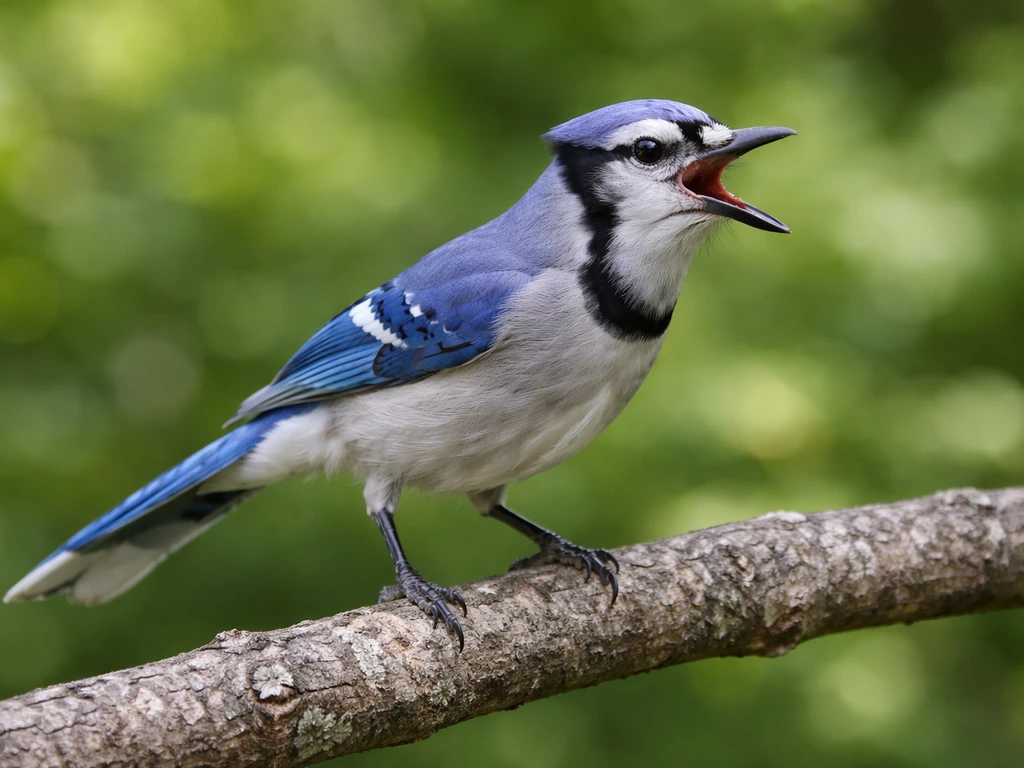
This is where things get genuinely interesting. Jays are extraordinarily vocal, and their calls are not random. Once you understand what the different sounds actually signal, you'll see why people feel like a jay is "trying to tell them something." It often is, just not in a mystical sense.
The blue jay's main calls
blank" rel="noopener noreferrer">The blue jay's most recognized sound is a loud, almost gull-like alarm scream. This is what you hear when a predator is nearby: a hawk, a cat, a dog, or anything the jay perceives as a threat. When a predator is nearby, blue jays make a harsh “jeer” call to warn their brood and other songbirds of the danger. A Connecticut wildlife source describes this as a loud "jay-jay" or "jeer-jeer" that functions as an alert to other birds in the area. The jay isn't just warning itself; it's broadcasting to the whole neighborhood. That's why a jay's alarm call often precedes silence from other birds. Everyone heard it.
Beyond the alarm, blue jays have a surprising range. They produce clear whistled notes, gurgling sounds, and a quiet "whisper song" that can last longer than two minutes and is heard much less often. That whisper song is most strongly associated with courtship and pairs interacting closely. If you've ever heard a blue jay making soft, almost conversational sounds rather than screaming, that's likely what you caught.
Blue jays are also mimics. They can accurately imitate the scream of a Red-shouldered Hawk, which they sometimes use to scatter other birds from a feeder. Whether that's clever deception or something else is debated, but it means that a hawk-sounding call in your yard might actually be a jay.
Steller's jay calls (western North America)
Steller's jays are the western counterpart to blue jays, and they're equally loud. Their signature call is a repeated "shook shook shook shook" or "shack-shack-shack" heard year-round, whether they're in flight, perched, or in the middle of an aggressive interaction. Their alarm call is a harsh nasal "wah," and females and males have distinct calls: females produce a rattle, males a "gleep gleep." Steller's jays are also documented mimics, with peer-reviewed research showing they produce hawk calls in behavioral contexts, including situations where an actual hawk is nearby. So again, that uncanny sense of "the jay is warning me about something" often has a real-world basis.
Why jay calls feel like messages
The reason jay calls seem so pointed is that they often coincide with genuinely notable events: a predator nearby, a territorial standoff, a pair bonding. When you hear a jay's loud alarm call and then notice a hawk circling overhead two minutes later, the brain connects those dots fast. That's not magical thinking; that's pattern recognition. Jays really are functioning as a kind of early warning system in many ecosystems. The spiritual interpretation of "the jay is alerting you to something" maps onto a real behavior, which is probably why that particular meaning has stuck across so many traditions.
How to interpret a jay encounter without overthinking it
Here's a practical approach if you want to take the encounter seriously without going down a rabbit hole of omen-reading. The goal is to observe first, then interpret, not the other way around.
- Note what kind of call you heard: Was it a loud repeated alarm scream, or something softer and more variable? Alarm calls point to real environmental context (a predator, a disturbance). Softer calls suggest courtship or territorial communication between birds.
- Identify the species if you can: Blue jay, Steller's jay, scrub-jay, or Eurasian jay each have slightly different symbolism in different traditions. If you're unsure, use BirdNET (Cornell Lab's app) to record a few seconds of sound and get an instant species suggestion.
- Note the time of day and season: Spring calls are often courtship-related. Year-round loud calls in aggressive contexts point to territory. A jay in late fall or winter calling repeatedly near your feeder is probably just defending food.
- Consider what the jay was doing: Perched and watching, mobbing a predator, foraging, or flying through? Each carries a different behavioral meaning that can inform a symbolic reading.
- Write it down: Keeping even a brief note of what you saw, heard, where you were, and what was on your mind anchors the experience. It also helps you notice patterns if jays keep appearing during specific life moments.
- Choose the interpretation that fits your context: Given everything you observed, pick the symbolic meaning that resonates with your actual situation. Communication, alertness, loyalty, boldness. The point isn't to find the one true answer; it's to use the encounter as a prompt for reflection.
Jay bird vs. other "bird name as meaning" searches: a quick comparison
If you've been looking up bird meanings generally, it helps to see how jays compare to other birds in terms of what kind of "meaning" people usually search for. Some birds are primarily symbolic, some are mostly slang, and some straddle both. The jay sits firmly in the symbolic-plus-behavioral category, which makes it one of the more interesting ones to research.
| Bird | Primary meaning type | Main symbolic theme | Slang/idiomatic use? |
|---|---|---|---|
| Blue Jay | Spiritual/symbolic + behavioral | Confidence, communication, alertness | Mild (jaybird idiom) |
| Drake (male duck) | Species label + cultural | Masculinity, courtship display | Yes, slang in music/pop culture |
| Doctor Bird (Jamaican hummingbird) | National symbol + spiritual | Freedom, heritage, resurrection | Minimal |
| Bill (bird term) | Species/slang overlap | Varies by context (bird anatomy or name) | Yes, as a name and general term |
| J Bird | Slang-heavy | Depends heavily on context/culture | Primarily slang |
For comparison, the drake bird meaning sits at an interesting intersection of literal species definition and heavy slang usage in contemporary culture, much like "jay" does. And the doctor bird meaning leans almost entirely into national symbolism and spiritual heritage, with almost no slang dimension at all. Jays are somewhere in the middle: a real, observable bird with real behavioral cues, wrapped in a layer of symbolic meaning that people genuinely draw on.
Can a jay's song be a sign of danger or good luck? (And how not to overthink it)
The short answer: a jay's alarm call can absolutely signal real danger nearby, because that's literally what it's for. Whether that translates into spiritual danger for you specifically is a matter of interpretation, not ornithology. If a jay is screaming loudly and repeatedly, look around. There's probably a hawk, an owl, or a cat somewhere close. That's not woo; that's the jay doing its job.
As for good luck: popular lore consistently frames blue jay sightings as positive omens tied to confidence and communication. European folklore occasionally frames jays as omens of disturbance, so it's not universal. The honest answer is that neither interpretation is "correct" in any provable sense. What's useful is that the jay's boldness and vocal intensity make it a natural symbol for paying attention, speaking up, or being alert, regardless of which cultural tradition you're drawing from.
The way to avoid overthinking it is to stay observational. If you hear a jay and immediately start wondering whether it's a message about your relationship or career, pause and ask: what was the jay actually doing? If it was mobbing a cat, the message is "there's a cat. " If it was singing a quiet whisper song near a nest in spring, the message is "it's courtship season.
" Those real-world contexts don't erase the symbolic potential, but they keep you grounded. Just as the j bird meaning can easily be over-interpreted depending on how loosely you define the term, "jay bird meaning" covers a lot of territory, and the most useful approach is always to start with what you actually observed.
One more thing worth knowing: the bill bird meaning is a good example of how the same word can function as anatomy, slang, and a personal name all at once, which is a reminder that bird-related words carry multiple layers. "Jay bird" is no different. Treat the encounter as an invitation to notice something, whether that something is a hawk in your oak tree or a moment worth reflecting on, and you'll get more out of it than any single omen reading can offer.
FAQ
Is “jay bird meaning” only about seeing a blue jay, or does any jay count?
Any jay can fit the “attention and alarm” pattern, but the interpretation shifts with species. A Steller’s jay’s nonstop “shook/shack” call and different alarm tones can feel more confrontational than a blue jay’s more obvious predator scream, so if you can identify the species, it’s usually more useful than relying on a single universal meaning.
What should I do in the real world if I hear repeated jay alarm calls?
Treat it as an early-warning signal first. Scan for the most likely nearby threat type, look upward for raptors and around ground level for cats or snakes, and check within the last few minutes for sudden bird silence, which often means others are also detecting the same risk.
Can a jay’s “mimic” calls make it sound like it’s warning me even when no predator is present?
Yes. Because jays can imitate hawk or other bird screams, you might hear a threat-sounding call without an actual hawk being there. A quick check for the source is key, if the “hawk” call continues from a jay perched nearby, it’s probably mimicry rather than a true predator alarm.
If I saw a jay calmly perched, does that mean something different than when it’s screaming?
Usually, yes. Calm observation is often more consistent with territorial watching, curiosity, or pair behavior, while intense screaming and mobbing are more linked to danger or defense. Interpreting “message” claims becomes more reliable when you match the symbol to the bird’s behavior level, not just its presence.
Does time of day change what the jay is likely signaling?
It can. Morning activity is often more territorial and communicative, mid-day can include more alarm responses, and quieter, longer softer phrases are more likely during breeding or social moments. If you track whether the call is alarm-like, whistled, or whisper-soft, you’ll get better clues than relying only on the hour.
Is “naked as a jaybird” related to the bird meaning I see online?
Not really. That phrase is a separate idiomatic meaning tied to slang history, and it often gets mixed into bird-related searches because the wording overlaps. If your goal is symbolism or bird behavior, focus on the literal bird encounter, not the older expression.
What’s the biggest mistake people make with jay symbolism?
Over-assigning one personal theme to every jay encounter. A jay can be reacting to a cat, defending a territory, or communicating with its mate, so the avoidable error is skipping observation and jumping straight to conclusions about relationships or career.
How can I tell whether I’m dealing with spiritual symbolism or just normal jay behavior?
Use a two-step test: first identify the context cue (predator nearby, mobbing, courtship sounds, nest proximity), then decide whether you want to add a personal reflection. If you cannot connect the encounter to any specific behavior, treat the “meaning” as more reflective than predictive.
Do jays always mean “good luck,” or is that culture-specific?
It’s not universal. Many modern and some European traditions lean positive for blue jay encounters, but other folklore frames them as disturbance or warning depending on context. A practical way to keep it grounded is to translate “good luck” into an action cue, like paying attention or speaking up, rather than expecting guaranteed outcomes.
What if multiple birds go quiet after a jay alarm call?
That pattern often means the whole local area detected the same risk, not just your brain reacting to a loud bird. After the silence, continue scanning for raptors overhead or disturbances near feeders, then note whether the jay stops once the threat moves away.
Next Article
War Bird Meaning: Literal, Slang, and Historical Uses
Understand war bird meaning: literal, slang metaphor for fighters, and historical bird symbolism, plus close phrase comp