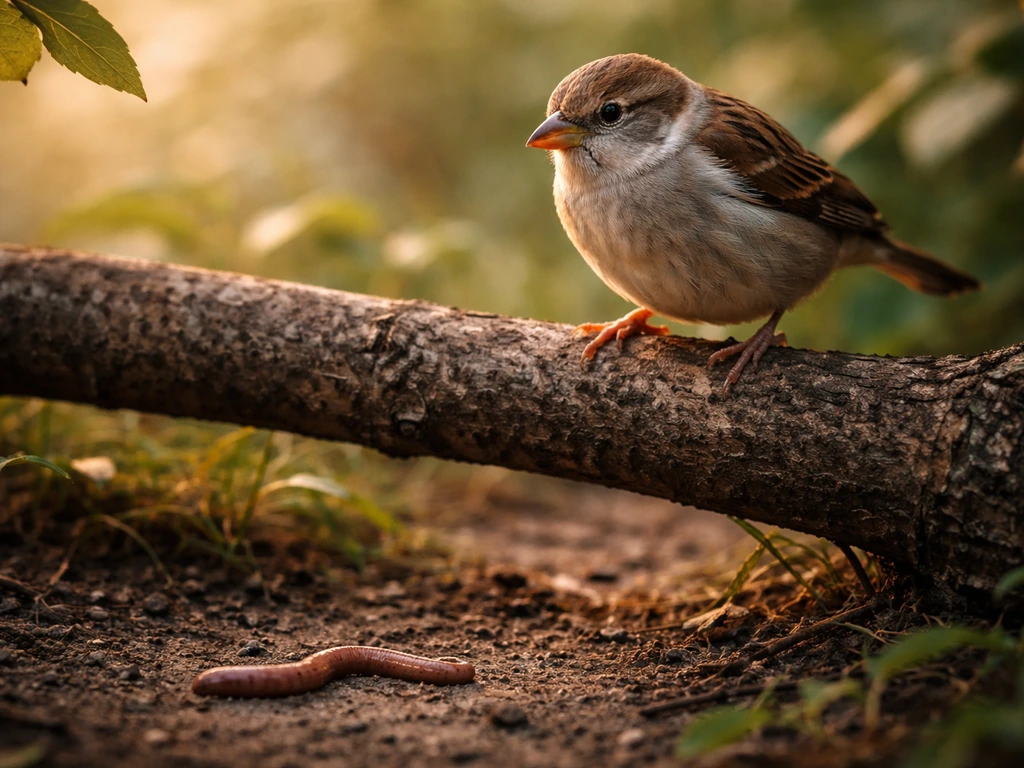
"Morning bird" can mean at least three different things depending on where you encountered it, and the phrase will feel completely obvious once you know which one applies to your situation. It might refer to a literal bird singing at dawn, a piece of poetic or spiritual symbolism built around that image, or the well-worn "early bird" idiom about acting first to get the best results. The fastest way to answer your question is to look at the context clues around the phrase, and this guide walks you through exactly how to do that.
Morning Bird Meaning: Literal Symbol and Early Bird Slang

Marcus Whitmore
13 Apr 2026

What "morning bird" usually means (symbolic vs. literal)
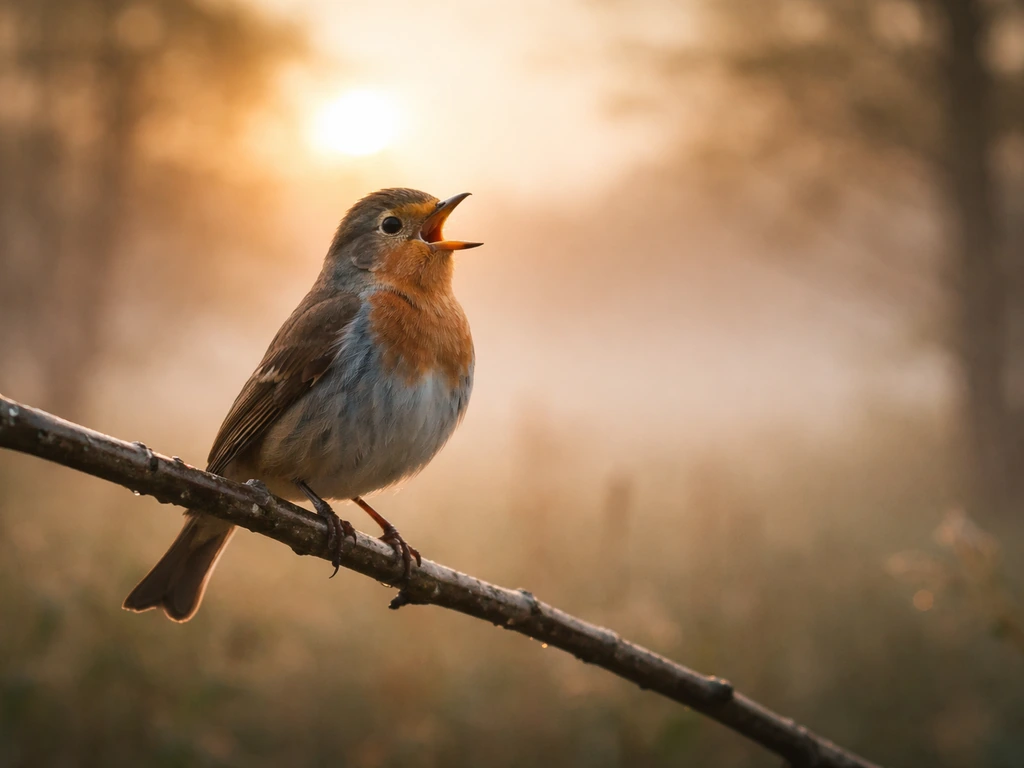
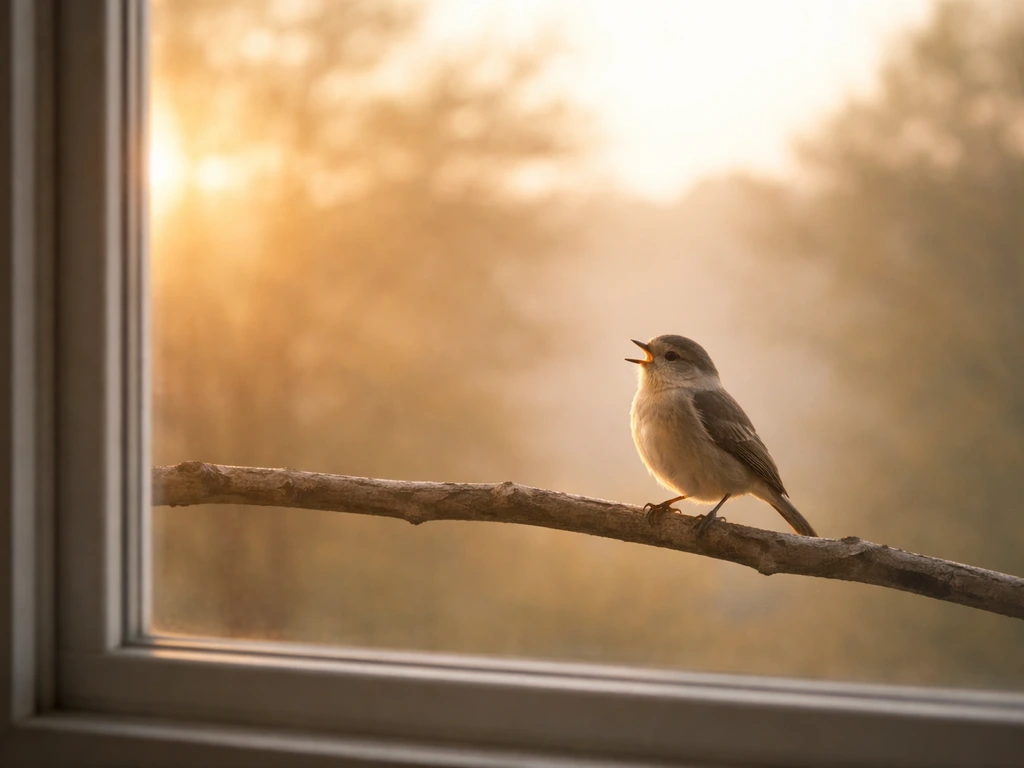
At its most literal, a morning bird is simply a bird that is active, visible, or audible at dawn. That is a real biological fact: many species are most vocal right around sunrise, and birders and poets alike have leaned on that image for centuries. When a nature writer, photographer, or casual observer says "I spotted a morning bird in the yard today," they almost certainly mean a bird they noticed at daybreak. Nothing metaphorical, nothing idiomatic.
The symbolic layer comes in when writers, social media users, poets, or songwriters use the same image to carry an emotional or philosophical idea. Because dawn birds are associated with the transition from darkness to light, they frequently show up in writing as stand-ins for hope, renewal, alertness, and fresh starts. A poem that describes a morning bird "awakening the world" is not making a bird-watching report; it is using the image to say something about possibility and new beginnings. Both interpretations are completely valid, and neither cancels out the other. The trick is knowing which register the author is working in.
There is a third possibility worth naming right away: the phrase might not be about a bird at all, but about a person. If someone calls you a "morning bird" or an "early bird," they almost certainly mean you are an early riser, and the image connects back to the famous proverb. More on that in a moment. For now, the key point is that context is everything, and the same two words can signal completely different meanings.
Early-morning bird symbolism: dawn themes and common interpretations
The dawn chorus, as ornithologists call it, is birdsong at its most intense right around sunrise. Phys. org describes the dawn chorus as a prominent component of the sunrise soundscape and notes that its character varies by place [The dawn chorus, as ornithologists call it, is birdsong at its most intense right around sunrise. ](https://phys.
org/news/2026-04-dawn-chorus. html). The National Geographic explains that the dawn chorus is most intense around sunrise and discusses how sound carries more clearly and how birds follow species-specific timing before sunrise [dawn chorus is most intense right around sunrise](https://www. nationalgeographic.
com/animals/article/birds-dawn-chorus). Birds are more vocal at that hour partly because cooler, calmer air carries sound farther, and partly because the early morning is a prime time for establishing territory and attracting mates. Humans have been listening to that chorus and assigning meaning to it for as long as anyone can trace, and the associations that have stuck are overwhelmingly positive: hope, opportunity, spiritual renewal, and the courage to face a new day.
English literature made one particular species the default "morning bird" through repeated use: the lark. Larks are famous for singing before full dawn, which is why the old phrase "up with the lark" means waking very early. Shakespeare famously set larks (morning) against nightingales (night) in Romeo and Juliet, cementing a cultural shorthand that writing classes still teach. That said, the lark is a literary default, not a biological monopoly.
Robins, thrushes, and blackbirds are among the first singers of the dawn chorus in real life, and many writers use the generic phrase "morning bird" without having any single species in mind. Assuming "morning bird" always means a lark is one of the most common misreadings, and I will come back to that.
In contemporary spiritual and devotional writing, hearing birds at dawn is frequently described as a sign of new beginnings, a reminder to stay present, or a prompt for gratitude. These interpretations are not scientifically grounded, but they are culturally widespread and reflect a genuine human tradition of reading meaning into the natural world. If you encountered "morning bird" in a quote, a caption, or an inspirational post, this symbolic layer is probably what the author had in mind.
The "early bird" proverb and how it connects to morning bird ideas
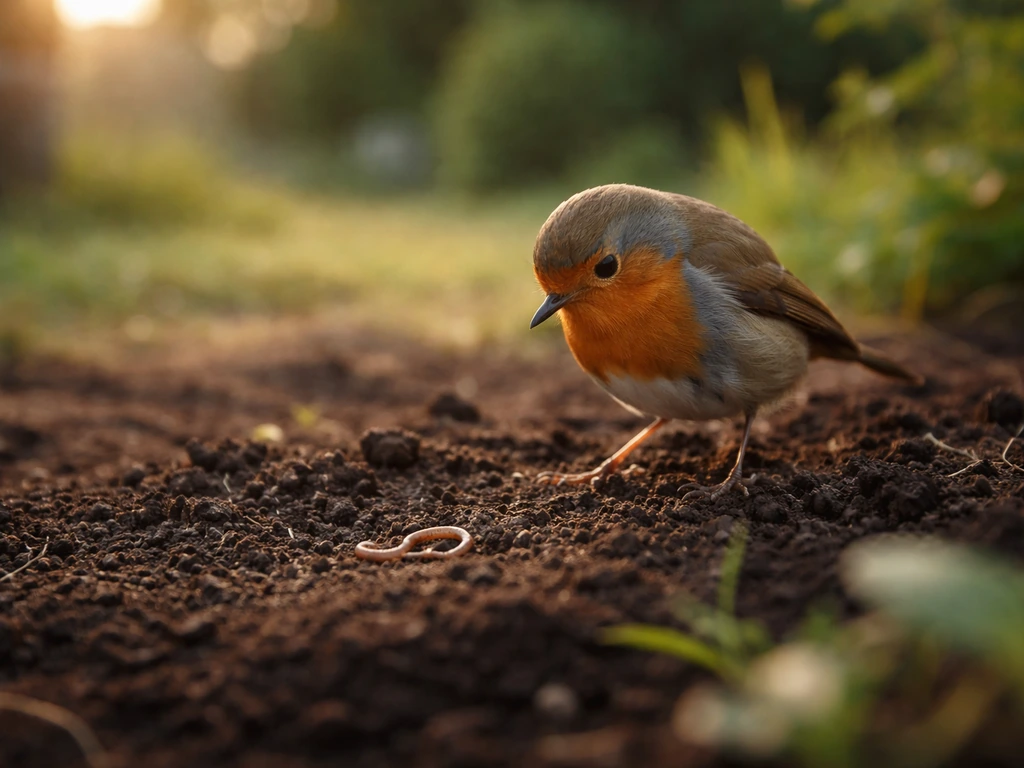
The proverb "the early bird catches the worm" (also phrased as "gets the worm") was first recorded in English in 1605 in a collection attributed to William Camden. The meaning has never really changed: the person who acts first, arrives first, or starts earliest gains an advantage over those who wait. It is a motivational principle dressed up in a bird metaphor. The early bird gets the worm is one of those proverbs that almost everyone knows but fewer people can date, which is part of why it has survived four centuries of use.
Over time, the full proverb got shortened. "Early bird" on its own now functions as a noun meaning an early riser or someone who acts promptly, and as an adjective in phrases like "early-bird tickets" or "early-bird specials" (where being early gets you a discount or a better deal, echoing the proverb's logic). Dictionaries including Merriam-Webster and Cambridge both record the noun form. Understanding what makes "he is an early bird" figurative language rather than a literal claim is the key to reading it correctly: the speaker is not comparing the person to a bird in any detailed way, just saying they are up and at it before most people.
The connection to "morning bird" thinking is straightforward: both images draw on the same cultural association between birds and early-morning activity. The proverb just takes that association and applies it to human behavior and productivity. When a life-coach blog tells you to "be a morning bird," it is almost certainly borrowing from the proverb tradition rather than asking you to identify a specific species.
It is also worth knowing that there is a regional variation of this idea. If you come across the phrase "the early bird gets the wood on", you are looking at a distinct regional or slang adaptation of the same proverb logic, applied to a different context. It follows the same structural pattern but carries a different flavor.
"Good morning early bird" as greeting slang
If someone sends you a message, GIF, or meme that says "Good morning early bird," the tone is almost always playful and affectionate. It is a way of saying "hey, you are up early" with a light wink at the proverb. You see it a lot in casual texting, social media captions, and the GIF libraries on messaging apps. There is a mild compliment embedded in it: being called an early bird in this context implies you are industrious, ahead of the curve, and maybe a little admirable for already being awake and productive.
The phrasing works as both a greeting and a gentle tease. If your friend texts "Good morning early bird!" at 5:45 a.m., they are not quoting the proverb formally; they are just acknowledging your schedule with warmth. The same phrase used by a brand in a promotional email ("Good morning, early bird! Your discount is waiting") leans more deliberately into the proverb's reward-for-acting-first logic. Same words, slightly different register. "She is an early bird" as a figure of speech follows the same warm, complimentary pattern when used in conversation about someone's habits.
How to figure out the exact meaning in your context
Here is a practical framework. Ask yourself four questions about the text where you found "morning bird" or "early bird":
- Is the word "worm" anywhere nearby, or is there language about catching, seizing, or getting a reward for acting first? If yes, you are almost certainly looking at the proverb or a reference to it.
- Does the text describe a person's habits, schedule, or attitude toward waking up? Then "early bird" or "morning bird" means early riser, in the figurative sense.
- Is there sensory or descriptive language: singing, perching, warbling, dawn light, sunrise, the sound of birds in the morning? That points to the literal dawn-bird or symbolic-literary interpretation.
- Is it a greeting or caption, particularly something like "Good morning, early bird"? That is casual greeting slang, warm and informal, drawing loosely on the proverb.
The presence of dawn-and-light imagery is probably the single clearest signal for the literal or symbolic reading. Once you see words like "sunrise," "first light," or "the world waking up," you can be pretty confident the author is working in the bird-symbolism register, not the productivity-proverb one. The opposite is also true: if the surrounding text is about routines, schedules, or being ahead of the competition, the proverb frame is the right one.
What "morning bird" does NOT mean (common misreadings to skip)
The biggest misreading is assuming every "morning bird" reference connects directly to the "early bird" proverb. It does not. "Early bird" is a set idiom with a fixed meaning tied to timing and initiative. "Morning bird" is a looser, more poetic phrase that can mean a literal bird, a symbolic image, or a colloquial greeting, but it does not automatically carry the proverb's "you get a reward for acting first" logic unless that framing is explicitly present.
The second common error is assuming "morning bird" always refers to a lark specifically. The lark got that cultural default role through literary repetition, and the phrase "day bird" covers a whole category of birds that are active during daylight hours. In practice, dozens of species sing at dawn, and most writers using "morning bird" in a poem, caption, or quote are not thinking about taxonomy at all. Reading a species-specific meaning into a generic phrase almost always leads you astray.
A third misread: taking "morning bird" as a spiritual or prophetic sign when the context is plainly casual or conversational. If your coworker texts "good morning early bird" because you sent an email at 6 a.m., they are not channeling folklore; they are being friendly. Save the symbolic interpretation for contexts where the author has actually set up that register.
A quick comparison of the three main meanings
| Meaning | What it refers to | Key context clues | Tone |
|---|---|---|---|
| Literal dawn bird | A real bird active or singing at sunrise | Dawn, sunrise, singing, perching, birdsong, dawn chorus | Observational, nature-focused |
| Symbolic / literary morning bird | Dawn imagery representing hope, renewal, new beginnings | Poetic language, emotional themes, spiritual framing | Reflective, metaphorical, often inspirational |
| Early bird (proverb / idiom) | A person who acts early and gains an advantage | Worm, reward, initiative, arriving/acting first | Motivational, proverbial, practical |
| Good morning early bird (greeting) | A friendly acknowledgment that someone is up early | Direct address, greetings, casual texting, GIFs | Playful, warm, informal |
Practical takeaways: how to apply the meaning today
If you are trying to use the phrase yourself, be specific about which register you are working in. If you want to evoke the proverb, lean into the classic phrasing: "early bird" or "the early bird catches the worm" land clearly without ambiguity. If you want the symbolic dawn imagery, add some sensory detail: singing, light, first breath of morning. If you are just greeting someone who is up early, "good morning, early bird" does the job perfectly and needs nothing added to it.
If you are trying to interpret a phrase you read somewhere, run through the four context questions above and you will land on the right reading almost every time. The hardest cases are poetic or lyrical texts where the author deliberately layers the literal bird image on top of the proverb's motivational idea; in those cases, both meanings are probably intentional, and you do not have to choose just one.
The bottom line is this: "morning bird" is a genuinely flexible phrase that earns its flexibility because birds at dawn carry so much cultural weight in English. The proverb is old and deeply embedded, the symbolism is even older, and the casual greeting version is just a natural outgrowth of both. Once you know the three lanes, it takes about ten seconds of context-reading to figure out which one you are in.
FAQ
Is “morning bird meaning” always connected to “the early bird catches the worm”?
No, “morning bird” is not automatically the same as “early bird.” “Early bird” usually signals a productivity or advantage idea, while “morning bird” can be literal (a dawn-active bird), poetic (hope, renewal), or just a playful “you’re up early” greeting.
How can I tell if a text means “act first for an advantage” versus “dawn symbolism”?
Look for specific cues that lock the proverb frame: words about advantage, catching, deals, deadlines, or rewards. If the surrounding text is only about birds, dawn, feelings, or atmosphere, it is more likely symbolic or literal than proverb-based.
If someone texts “Good morning early bird,” do they literally mean productivity gains?
In a casual greeting like “Good morning, early bird,” the meaning is primarily “you are awake early.” It is usually not meant as a strict claim that the person is unusually productive, and it rarely implies they will receive a specific reward.
Can “morning bird” mean both literal and symbolic at the same time?
Yes, but only if the quote or caption gives you enough framing. If the author describes singing at sunrise, birds in the yard, or “dawn chorus,” it reads literal. If they talk about inner change, hope, or “awakening,” it reads symbolic, even though it uses bird imagery.
When someone says “morning bird,” do they always mean a lark?
A common trap is assuming the “lark” specifically. Unless a text explicitly names larks or uses lark-related phrasing like “up with the lark,” most uses of “morning bird” are generic, covering many dawn singers.
How do I avoid over-interpreting it as spiritual or prophetic in everyday conversation?
If the message is clearly casual, like a workplace chat or friend-to-friend text, treat it as tone first. Symbolic or spiritual readings tend to show up in devotional writing, introspective captions, or passages that set up that interpretation.
What does “early-bird” mean in “early-bird tickets” or “early-bird specials”?
Yes. “Early-bird tickets,” “early-bird specials,” and similar phrases treat “early bird” as an adjective for timing-linked benefits. The key is the marketing or offer context, that is what carries the “advantage” meaning.
If I see a different version of the proverb (like “gets the wood on”), does the meaning change?
Regional variants like “the early bird gets the wood on” keep the same structure and idea, timing creates an opening. The exact “worm” or “wood” element shifts, so you should focus on the advantage-for-acting-first logic rather than the specific object.
What should I do with a poem that clearly uses dawn imagery and also mentions early action?
In many poetic or lyrical lines, authors intentionally blend registers, using dawn birds to echo both emotional renewal and the virtue of beginning early. When both frames are supported, you can accept a “both at once” interpretation rather than forcing a single answer.
What quick checklist can I use to decode “morning bird” correctly in unfamiliar contexts?
Use a quick decision check: (1) Is there sunrise or dawn sensory detail? (2) Is the language about schedules, arriving first, or rewards? (3) Is it a greeting or caption with a playful tone? (4) Is a specific species named? The first two answers usually determine the lane fastest.
Next Article
Early Bird Gets the Worm Meaning: Proverb, Origin, Examples
Understand the early bird gets the worm meaning, origin, examples, and how to spot literal vs sexual slang uses.