
"Fever bird" most likely means one of two things: a real bird species nicknamed for its maddening, repetitive call (most famously the brain-fever bird, a cuckoo from the Indian subcontinent), or a metaphorical label used in folklore, lyrics, or storytelling to describe a bird associated with heat, intensity, delirium, or restless desire. The exact meaning depends entirely on where you encountered the phrase, but you can usually narrow it down within a minute or two once you know what clues to look for.
Fever Bird Meaning: Real Species or Metaphor? Origins

Marcus Whitmore
30 Apr 2026
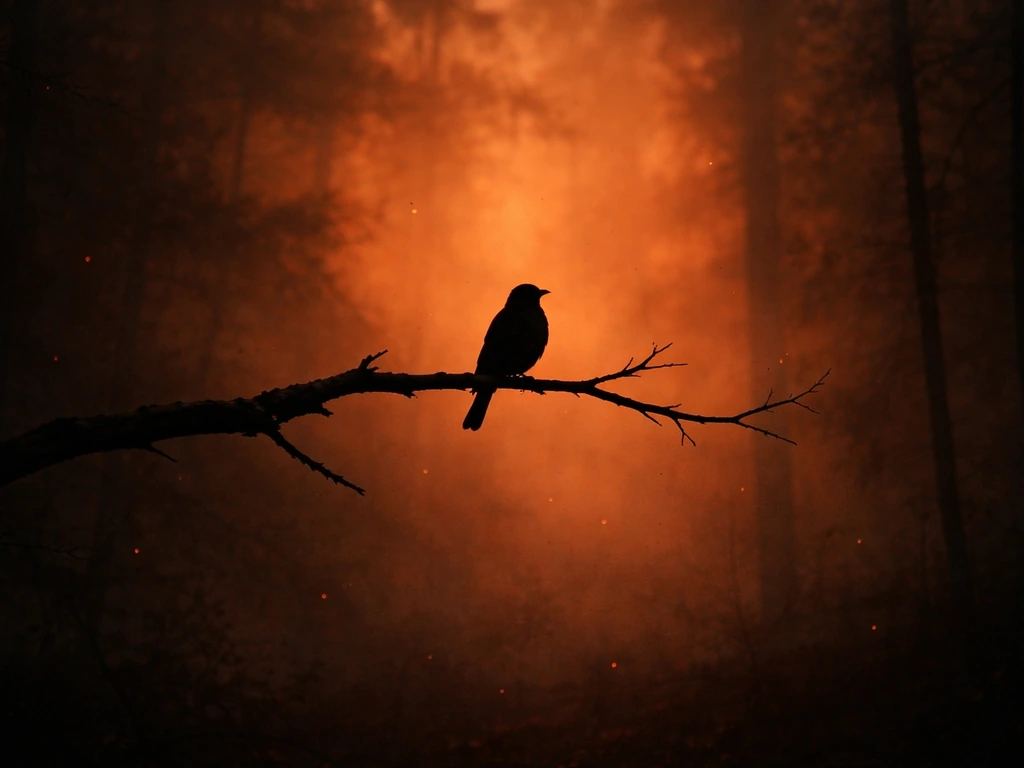
What "fever bird" actually means as a phrase
The phrase "fever bird" sits in an interesting middle ground between literal species nickname and symbolic language. On the literal side, the most documented usage comes from colonial-era British naturalists in India, who called the common hawk-cuckoo (Cuculus varius, also classified as Hierococcyx varius) the "brain-fever bird. “[Brain-fever bird](https://www. dictionary.
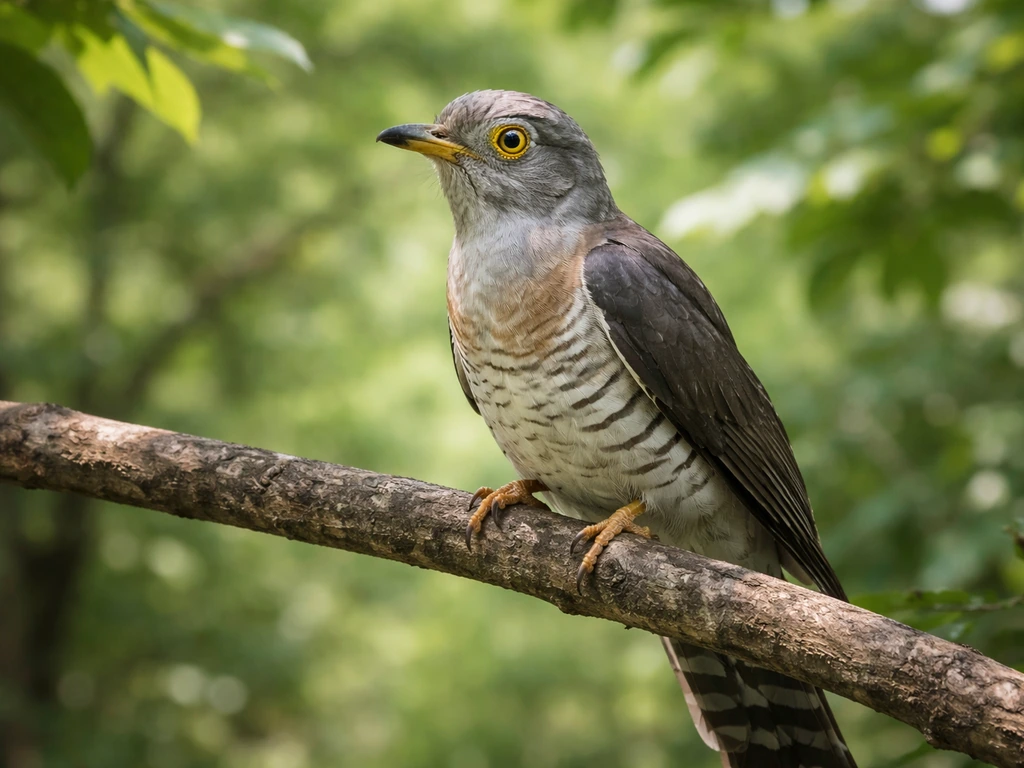
com/browse/brain-fever-bird)” is defined as an Indian cuckoo, Cuculus varius, that utters a repetitive call. " The nickname came directly from its call: a rising, insistently repeated note that British listeners phonetically transcribed as "brain-fever, brain-fever, BRAIN-FEVER," climbing in pitch until it seems to tip over into something almost hysterical. Dictionaries including Collins and references like Britannica list this as a standard common name for the species.
When people shorten that to just "fever bird," they're usually pointing at this same bird or a closely related cuckoo.
On the metaphorical side, "fever bird" appears in folklore traditions far removed from Indian ornithology. A notable example comes from Malay folklore, where the Burong demam, literally translated as "fever bird," is a named creature in traditional belief, connected to illness and the spirit world rather than any particular scientific species. So the phrase carries real cross-cultural weight as a symbolic label, not just a quirky colonial nickname.
How to figure out which bird is actually being referenced

Context is everything here. If you saw "fever bird" in something related to South Asian wildlife, nature writing, or British colonial naturalist literature, the brain-fever bird (common hawk-cuckoo) is almost certainly the referent. If it came from Southeast Asian mythology, folk medicine, or a text referencing Malay or Indonesian traditions, you're likely looking at the Burong demam, which is a folklore creature tied to fever spirits rather than a cuckoo's annoying call.
A few clues that help narrow it down quickly:
- Is there a call or sound described? That's a strong signal toward the hawk-cuckoo/brain-fever bird.
- Is there a mention of illness, spirits, omens, or healing? That points toward Malay folklore or similar traditions.
- Is the phrase in a song, poem, or novel? It's probably being used metaphorically, borrowing the emotional weight of fever and bird symbolism together.
- Is it capitalized like a proper name (Fever Bird)? Then it may be a character name, band name, album title, or place name.
- Is it being used as a nickname for a person? Then read it as slang, probably meaning someone restless, intense, or unpredictable.
Why "fever" and birds make such a natural pairing in language
The word "fever" carries a heavy symbolic load in most languages. It suggests heat, intensity, altered states, obsession, and a kind of dangerous beauty. Birds, meanwhile, have always represented freedom, restlessness, the soul, and change, often seasonal or spiritual. Put the two together and you get a phrase that feels immediately vivid: something untamed, overheated, almost delirious.
This is exactly why the brain-fever bird's nickname landed so well historically. The cuckoo's call genuinely sounds feverish, urgent, almost panicked in its repetition. Writers seized on that quality. Rudyard Kipling, who knew Indian wildlife well, referenced the brain-fever bird in his work precisely because the sound conjured the experience of sweating through a tropical illness, unable to sleep, with that call hammering through the heat. The bird became a stand-in for the sensation itself.
That same emotional logic shows up whenever people use "fever" in bird language more broadly. Fever suggests something beyond normal temperature, beyond calm. A fever bird isn't just a bird; it's a bird at the edge of something, which is why the phrase fits so easily into poetry, song titles, and folklore about spirits and omens.
Where you're most likely to encounter "fever bird"
The phrase pops up across a surprisingly wide range of contexts, and knowing which one you're in makes interpretation much easier.
| Context | Most likely meaning | Key signal |
|---|---|---|
| South Asian nature writing or birdwatching | Brain-fever bird (Cuculus varius), named for its call | Description of a rising, repetitive call |
| Malay or Southeast Asian folklore | Burong demam, a fever spirit bird from Malay tradition | Illness, spirits, or healing mentioned nearby |
| Song lyrics or poetry | Metaphor for passion, obsession, restlessness, or longing | Emotional or romantic language surrounding it |
| Fantasy fiction or mythology | A symbolic or invented creature representing fever, transformation, or danger | Fantastical setting, supernatural powers attributed to it |
| Social media slang or nickname | A label for a person who's intense, feverish in energy, or unpredictably passionate | Applied to a person, not an animal |
| Album, band, or character name | A proper noun borrowing fever-bird imagery for brand/identity purposes | Capitalized, used as a title or name |
Related terms and phrases you might be mixing up
Several related phrases orbit "fever bird" and are easy to conflate. Knowing the differences saves a lot of confusion.
- Brain-fever bird: The most formally documented version of the concept. This is the actual common name for Cuculus varius, the Indian hawk-cuckoo. "Fever bird" is often a shorthand for this.
- Fever dream bird: A phrase that leans entirely metaphorical, evoking the hallucinatory quality of a high fever. It suggests something surreal or imagined rather than a real or named species.
- Bird on fire: A related symbolic image that overlaps in emotional territory, often connected to the phoenix or rebirth mythology, but with more emphasis on destruction and renewal than on illness or delirium.
- Burong demam: The Malay-language original for "fever bird," from the folklore of the Malay Peninsula. This is a culturally specific term with its own tradition distinct from South Asian ornithology.
- Fever (bird-related slang): In some casual contexts, "fever" alone is used to describe bird-watching obsession (as in "birding fever"), and a "fever bird" could jokingly mean a bird that triggers that obsession.
The key distinction is whether you're dealing with a documented common name (brain-fever bird), a folklore creature (Burong demam), or a purely metaphorical construction invented for expressive purposes. Each sits in a different lane.
How to confirm exactly what "fever bird" means in your specific case
The fastest way to confirm is to trace the phrase back to its source. If you saw it in a quote, post, lyric, or book, search that exact source plus the phrase. For example, searching the title of a novel or song alongside "fever bird" will usually surface whether it's a species reference, a metaphor, or a character name within seconds.
- Copy the surrounding sentence or phrase and paste it into a search engine. The context almost always disambiguates it.
- If it appears to be a species name, search "fever bird bird species" or "brain-fever bird" to see if the hawk-cuckoo matches what's being described.
- If it's in a folklore or mythology context, add the region or culture to your search (e.g., "fever bird Malay folklore" or "fever bird Indian legend").
- If it's in a song or poem, find the full lyrics or text. Metaphorical bird language usually becomes obvious once you see the whole work.
- If you found it on social media and it's being used as a nickname, ask the person who used it directly. Slang evolves fast and the origin is often personal or subcultural.
- Check whether the phrase appears in a translated text. "Fever bird" could be a literal translation of a phrase from another language (like Burong demam) that carries culturally specific meaning the translation loses.
What "fever bird" probably means for you, and what to do next
If you're a birdwatcher, naturalist, or came across the phrase in anything related to South Asian wildlife, it almost certainly refers to the brain-fever bird, the common hawk-cuckoo whose call sounds exactly as unhinged as the name suggests. If you hit it in a folklore, spiritual, or cultural context tied to Southeast Asia, you're in Burong demam territory, which has its own rich tradition around fever, spirits, and birds as omens. If you found it in creative writing, music, or social media, treat it as a metaphor: a bird representing intensity, restlessness, obsessive longing, or a feverish state of mind. If you are trying to pin down the flamingo bird meaning instead, the symbol and context often change again feverish state of mind.
In any case, the phrase isn't random. In some cases, the phrase is interpreted in a more literal or dramatic way, so you might also be wondering what a bird on fire means fever bird. Whether it's a species nickname coined by people driven half-mad by a cuckoo's call, or a poetic image conjured to describe someone burning with desire or delirium, "fever bird" is doing real expressive work. Knowing which register it's in (literal species name, folklore creature, or metaphor) is all you need to unlock the meaning. Start with the source, look at the surrounding language, and it will usually resolve itself within a few minutes of digging.
FAQ
How can I tell if “fever bird meaning” refers to an actual species or just a metaphor?
In most cases, it is either the brain-fever bird nickname for the common hawk-cuckoo, or a folklore creature called Burong demam (fever bird). If the text you saw did not mention geography like India or Malay, or it did not describe a call, the odds shift toward a metaphor used in poetry or song.
What wording around “fever bird” is a giveaway for which meaning is intended?
Look for descriptive cues in the surrounding line. Species usage often includes naturalist framing (location, classification style, or “common name” wording), while metaphor usage usually pairs the bird with emotions or states like obsession, delirium, sleepless heat, or an omen-like vibe.
I saw “fever bird” in a birdwatching post. What quick checks should I do?
If it appears in birding contexts, the strongest practical check is whether the author mentions the common hawk-cuckoo or India, or describes a rising, insistent cuckoo call. If there is no sound description at all, treat it as likely poetic shorthand rather than an identification claim.
Can “fever bird” be used incorrectly online, and if so, what’s the safe way to interpret it?
Don’t assume it always means the cuckoo call. In some retellings, the phrase gets generalized as “a bird tied to illness or heat” without naming the specific species, especially on social media where the cultural origin can be lost.
If the phrase is from Malay or Indonesian stories, does it mean the same bird as the “brain-fever bird”?
Burong demam is the folklore creature tied to fever and the spirit world. If the source discusses illness spirits, local beliefs, or Southeast Asian traditional belief systems, that is the better match than the British naturalist cuckoo nickname.
What happens when translations blur the meaning of “fever bird”?
When people translate or paraphrase freely, “fever bird” can show up as a loose English gloss for different named beings. If the original text gives a local name, keep that name, it helps confirm whether you are dealing with Burong demam specifically or a different fever-related entity.
How do I avoid conflating “fever bird” with other bird symbols like “flamingo bird meaning” or “feverish state of mind”?
A common confusion is mixing “fever bird” with other “feverish” bird images. If the text talks about desire or an overheated mindset but not illness spirits or a specific call, it’s probably metaphorical and not meant to identify a species.
What is the fastest method to confirm the intended meaning from a quote I found?
If you want to resolve it fast, search the exact phrase plus the title/author or the quote you saw, then read two sentences before and after. Also check whether the context is narrative fiction, lyric, or a natural history description, those genres strongly predict which meaning fits.
What should I do if the text I found seems to contradict the usual “brain-fever bird” explanation?
If the source claims a location and a bird name in the same sentence, treat that as the priority even if it contradicts the nickname. But if it only says “fever bird” with no extra identification details, you should assume metaphor unless the surrounding content clearly signals a species or folklore creature.
In creative writing, what emotional theme is “fever bird” most often used to represent?
“Fever bird” often points to heat, sleeplessness, altered states, urgent calling, or restless desire. If your source is a song or poem, identify which emotion it emphasizes (sickness, obsession, panic, or omen), that will tell you whether the metaphor is leaning toward delirium-like illness or desire-driven intensity.
Next Article
Fever Dream Bird Meaning Explained and Real-Life Causes
Fever dream bird meaning explained with real causes, bird symbolism, and safety steps for fever, confusion, and sleep lo