When someone says "bald bird," they almost always mean one of three things: a shorthand reference to the bald eagle, a literal description of a bird that appears to have a bald or featherless head (often something spotted at a backyard feeder), or occasionally a metaphor or slang term playing on the idea of baldness as a symbol. The bald eagle interpretation is by far the most common in U.S. contexts, but context clues make all the difference in figuring out which one a speaker or writer actually means.
Bald Bird Meaning: Species, Symbolism, and How to Tell

Marcus Whitmore
5 Jul 2026
What "bald bird" could mean in everyday language

"Bald bird" is a loose, informal phrase that sits at an interesting intersection of literal description and cultural reference. In everyday speech, it tends to float between three distinct uses: people abbreviate "bald eagle" down to "bald bird" in casual conversation, people describe an unusually bare-headed bird they spotted and reach for the most obvious label, and occasionally people use it in a metaphorical or humorous way to describe someone or something stripped down, exposed, or conspicuously unusual. None of these uses is wrong, which is exactly what makes the phrase worth unpacking.
What makes "bald bird" particularly interesting from a language standpoint is that it straddles species-specific terminology and pure description. Unlike a phrase such as "early bird" (which has a fixed idiomatic meaning) or something like "as free as a bird" (which is clearly metaphorical), "bald bird" can genuinely mean multiple things depending entirely on who is saying it and where.
Literal interpretations: bald eagle, bald-headed birds, and mishearing the term
The bald eagle connection
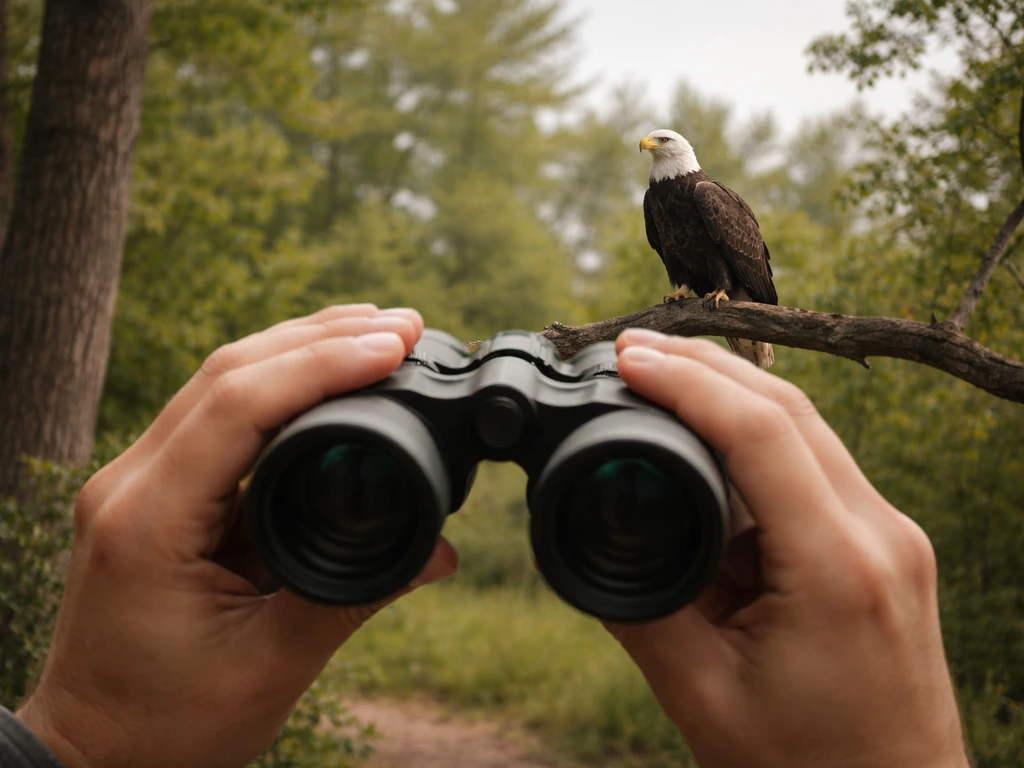
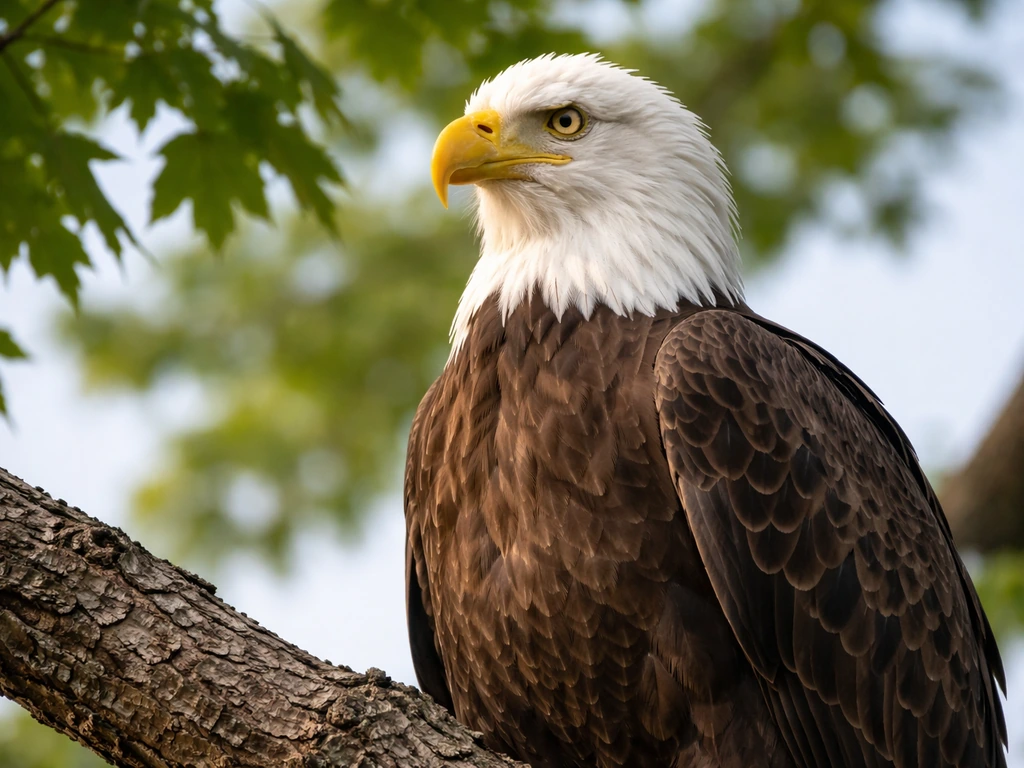
In most U. S. contexts, "bald bird" is a casual shorthand for the blank" rel="noopener noreferrer">bald eagle. This is the most likely interpretation if the conversation involves American symbols, national pride, patriotism, or wildlife.
The NPS notes that the bald eagle is unique to North America, which helps explain why the “bald bird” shorthand is often used in U.
S. and American-symbol contexts to mean the bald eagle. Here is the twist though: the bald eagle is not actually bald. The name comes from an older English word, "balde," meaning shining white, which was applied to the bird's striking white head and tail feathers.
So "bald eagle" was always a color description, not a reference to featherlessness. When someone says "bald bird" meaning the eagle, they are probably reaching for a casual shorthand rather than making a careful ornithological statement.
The etymology has been explained by sources ranging from the National Park Service to educational guides linked to the U.S. Government Printing Office, all making the same point: the eagle's name comes from "piebald" coloring concepts, connecting to the idea of a distinctive white-patched appearance. So if you see "bald bird" next to references to white heads, white tails, North America, or American imagery, the bald eagle is almost certainly what is meant.
Genuinely bald-headed birds at your feeder
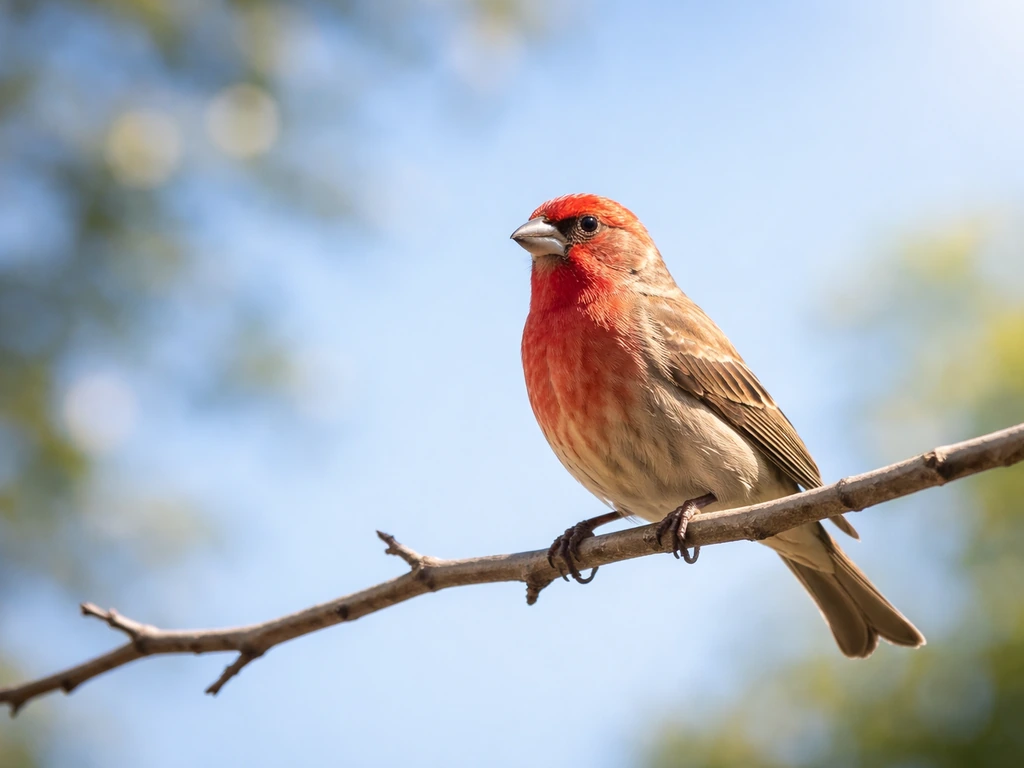
The other very common use of "bald bird" is purely descriptive: someone spots a bird at their feeder and it has a strangely bare, patchy, or completely featherless head. This is a real and surprisingly common phenomenon. Birds like Blue Jays and Northern Cardinals occasionally go through a phase where they lose all the feathers on their head at once during molt, giving them a distinctly odd, almost reptilian look.
Audubon and All About Birds both address this directly, with the latter framing it as a "bald bird at my feeder" question that many backyard bird watchers ask. In most of these cases, the bird is fine and the feathers grow back. So when someone uses "bald bird" this way, they are not reaching for a symbol or a species name. They are just describing exactly what they see.
Mishearing, misnaming, and informal shortening
There is a third literal possibility worth mentioning: "bald bird" can be a mishearing or childlike shortening of "bald eagle." One Reddit thread described a child who called the bird "Bald's Eagle" based on reading a magazine, blending the name into something new. This kind of informal renaming is genuinely common, and it contributes to the existence of "bald bird" as a phrase in casual conversation. People also sometimes misidentify a bird as a bald eagle when it is not one, and commenters in online threads frequently correct the mistake, which tells you that "bald bird" appears often in contexts where the speaker is attempting (sometimes incorrectly) to name a specific bird rather than describe a general one.
Symbolic meanings of a "bald" bird
When "bald" is used symbolically in connection with a bird, the imagery tends to cluster around a handful of recurring themes: visibility and conspicuousness, vulnerability or exposure, age and wisdom, authority and power, and in some contexts, death or transition. Baldness as a symbol in general tends to carry a double meaning: it can suggest someone who has been stripped of something (youth, protection, camouflage) or someone whose naked appearance signals a kind of raw honesty or presence that cannot be hidden.
Applied to birds specifically, the "bald" visual draws attention to the head, which in bird symbolism is often associated with intellect, perception, and status. A bird with a conspicuously bare or white head reads as distinctive and impossible to overlook. That is part of why the bald eagle carries such strong authority symbolism: the white head signals immediately that this bird is not like the others. It stands out. In a metaphorical context, calling something a "bald bird" can carry exactly that energy: something conspicuous, stripped down, or impossible to mistake for something else.
There is also an older thread of symbolism connecting hairlessness or baldness to aging and mortality across many cultures, which occasionally surfaces when "bald bird" is used in writing or speech with a darker or more elegiac tone. A bald or bare bird can evoke fragility, winter, the end of things. This is less common as an explicit idiom, but it is part of the symbolic vocabulary that writers draw on when they use bird imagery. Being as a bird perched on a frail branch meaning refers to feeling precarious or unstable, often in a figurative way be as a bird perched on a frail branch meaning.
Cultural and folklore angles where "bald bird" symbolism shows up
The bald eagle carries the deepest and most documented symbolic weight when it comes to "bald bird" in cultural context. In many Indigenous North American cultures, the bald eagle holds sacred status, and its feathers are bestowed at significant ceremonies such as graduations or achievements, marking moments of honor and transition. The U.S. federal government recognizes this spiritual connection formally, with specific legal protections around eagle feathers tied to Indigenous ceremonial use. This is not folk superstition but a legally and culturally recognized dimension of the bird's significance.
In broader American cultural life, the bald eagle as national symbol carries themes of freedom, strength, and sovereignty, which means that "bald bird" used in patriotic or political contexts almost always channels those associations, even when the speaker is being casual or ironic about it. Heritage and conservation organizations have written extensively about the bald eagle's symbolism, connecting its white head to visibility and distinction, the very qualities that made it attractive as a national emblem.
In folk spiritual circles online, spotting a bald eagle is frequently interpreted as a meaningful omen or personal message, associated with themes like honor, bravery, guidance, and strength. This interpretation circulates widely on spirituality forums and lifestyle content, and while it is not tied to a single codified tradition, it reflects how powerfully the bird's distinctive appearance has anchored it to symbolic meaning-making across different groups. The related topic of what it means to be "as bald as a coot" (a proverbial expression tied to a specific bald-headed bird species) shows that baldness in birds has been culturally significant enough to generate its own dedicated idioms.
Slang, idioms, and how people use "bald bird" in phrases or insults
"Bald bird" as a fixed idiom or slang term does not have a single universally established meaning the way phrases like "as free as a bird" or "early bird" do. The phrase “as free as a bird” is a separate idiom often mentioned alongside bird-related expressions like “bald bird,” even though they do not mean the same thing as free as a bird meaning. But it does show up in a few recurring informal patterns worth knowing about.
The most playful usage is the literal-versus-ironic swap: online communities sometimes use "bald bird" deliberately as a funny substitute for "bald eagle," then riff on the absurdity of the eagle not actually being bald. One Reddit thread produced the observation that a "bald bird is literally a better bald eagle than a bald eagle is a bald eagle," which is the kind of wordplay that only works if you know the etymology. This is "bald bird" as a knowing joke, not a genuine alternate term.
As a description-turned-insult, "bald bird" can be applied to a person to suggest they look odd, exposed, or conspicuous in an unflattering way, playing on the weirdness of a featherless-headed bird. When people say “sober as a bird meaning,” they are usually referring to someone who looks or behaves unusually serious and restrained bald bird. This is informal and situational rather than a codified slang term, but the visual logic is clear enough that it lands without explanation. Calling someone a "bald bird" in this sense implies they stand out in a somewhat ungainly, vulnerable, or strange way. It is a milder and quirkier cousin to sharper bird-related insults.
In writing and rhetoric, "bald bird" occasionally appears as a deliberate image for something stripped of pretense or artifice: the bird that has lost its plumage and stands there plainly visible, with nowhere to hide. This metaphorical thread connects to ideas of honesty, exposure, or the rawness that comes after loss. It is a less common usage but a coherent one, and it fits within a broader tradition of bird imagery used to describe human emotional states.
How to figure out what "bald bird" means in your specific context

The fastest way to pin down the meaning is to blank" rel="noopener noreferrer">run through a short checklist based on the surrounding context. Most uses of "bald bird" will resolve themselves quickly once you ask the right questions.
| Context clue | Most likely meaning | Confirm by looking for |
|---|---|---|
| American/patriotic setting, national symbols, political imagery | Bald eagle (the bird) | White head, white tail, North America references, national pride language |
| Backyard, feeder, bird watching, wildlife description | Literally a bald-headed bird (e.g., molting Cardinal or Jay) | Description of a weird-looking bird, health concern question, feeder context |
| Humor, wordplay, online banter | Ironic shorthand for bald eagle or a joke about the name | Self-aware tone, meme format, Reddit-style commentary |
| Spiritual, omen, or symbolic discussion | Bald eagle as a symbol (power, guidance, honor) | References to seeing an eagle, feathers, spiritual meaning, omens |
| Insult or casual description of a person | Informal slang playing on baldness imagery | Comparison to a person, comedic or critical tone, appearance-related context |
| Poetic or literary writing | Metaphor for vulnerability, exposure, or raw honesty | Descriptive language, emotional or thematic weight, non-literal framing |
If you are still unsure after checking those cues, look at the geographic and cultural context first. In a U.S. context, "bald bird" defaults strongly to "bald eagle" unless the speaker is clearly describing a feeder bird or using it as a metaphor. Outside the U.S., the "bald eagle" shorthand is less automatic, and the description-of-a-bird or symbolic interpretation becomes more plausible. Tone matters a lot too: a joking or ironic tone almost always points to the wordplay usage, while a sincere descriptive tone points to the literal one.
One last thing worth checking: if the text or conversation involves any comparison to being "as bald as" something, there is a long tradition of proverbial expressions built around that structure in English, and the bird being referenced may be a specific species tied to a well-known saying rather than a generic description. One well-known example of that structure is the saying about a bird you can be proverbially as bald as. The phrase "bald bird" in that kind of proverbial context often signals a deeper idiomatic reference that rewards a closer look at the exact wording.
FAQ
If I see “bald bird meaning” in a sentence, how can I tell whether it refers to the bald eagle or a feeder bird?
Look for cues like place names (U.S. news, parks, national symbols) versus a casual backyard scene (bird at a feeder, on a branch, molting). Bald eagle shorthand usually appears with patriotic or wildlife-language framing, while “feeder bird” usage often includes behavior details like perching near humans or having a patchy head that will regrow.
Is “bald bird” ever meant literally as “featherless head” on any species, or is it only about eagles?
It can be literal for many birds. Several species can temporarily show sparse or bare-looking head feathers during molt, so the phrase can apply to a variety of backyard visitors, not just eagles. If the bird is clearly not an eagle shape (size, beak shape, posture), it is likely descriptive rather than symbolic.
What are the most common identification mistakes when people think they saw a bald eagle?
The biggest mistake is confusing appearance from distance or lighting. People often over-identify large white-headed birds or white patches as bald eagles when the body proportions and tail shape do not match, and online corrections commonly point this out. If the “white” looks patchy or the tail pattern does not fit, treat it as a misidentification and re-check the full silhouette.
If someone uses “bald bird” as a joke or wordplay, what tone markers should I notice?
Pay attention to irony signals like playful exaggeration, references to the eagle “not actually being bald,” or comment-thread style banter. The joke version tends to rely on the reader knowing the etymology and usually will not include real-world wildlife details like where the bird was seen.
Can “bald bird” be used to insult someone, and is it always rude?
It can be used as a mild, quirk-based insult meaning someone looks odd or exposed, but it is informal and can land differently depending on delivery. If it is aimed at appearance (humor, teasing) it is usually less severe than direct insults, but if it is used to single someone out in a hostile way, it can feel more cutting.
Does “bald bird” have a fixed idiom meaning like “early bird”?
No, it does not have one universally standardized idiomatic definition. Meaning usually resolves through context, especially whether the speaker is using it as shorthand for bald eagle, describing a molting bird, or using metaphor or humor. If the sentence lacks context, the most likely default is bald eagle in U.S. settings.
What should I consider if the phrase appears outside the U.S. in the text?
Outside the U.S., bald eagle shorthand is less automatic. The description-of-a-bird interpretation (a bald or bare-headed bird spotted) often becomes more plausible, and metaphorical uses can also show up. Try to identify whether the surrounding content mentions specific American symbols or laws, which would pull interpretation back toward bald eagle.
Are symbolic interpretations like omens, death, or wisdom tied to a specific tradition?
Some symbolic readings, like omens in spirituality circles, are not part of a single codified tradition, so they should be treated as personal or community-specific. More formal symbolic status applies mainly to the bald eagle in Indigenous ceremonial contexts and related legal protections, so if the text is about ceremonies, feathers, or protected use, handle the topic with care rather than assuming a generic “omen” meaning.
If “bald bird” shows up alongside a proverb like “as bald as …,” what should I do?
That structure often points to an older, species-specific proverb rather than the generic “bald bird” phrase. Check the exact wording after “as bald as” to identify the referenced species or idiom, since the meaning may come from that specific saying rather than the bald eagle or a literal molting bird.
What is a practical next step to confirm meaning when you are unsure?
Do a quick three-part scan: (1) geography (U.S. references versus general nature), (2) literal scene details (feeder, molt, casual spotting), and (3) metaphor clues (honor, authority, exposure, vulnerability). If two of the three point to the same interpretation, you can usually resolve the meaning confidently.
Next Article
Sober as a Bird Meaning: Usage, Origin, and Examples
Learn sober as a bird meaning, origin, correct usage, and examples plus common mix-ups with similar idioms.