
A bird and cage, taken together, almost always signals one central tension: freedom versus confinement. The bird represents aspiration, spirit, voice, or the self in its natural state. The cage represents limitation, control, or protection, depending on who is doing the caging and why. When someone searches for 'bird and cage meaning,' they are almost always trying to decode a metaphor, whether it appeared in a quote, a tattoo, a song lyric, a poem, or something someone said to them. The literal image is simple enough. The layered meaning is where it gets interesting.
Bird and Cage Meaning: Literal and Metaphorical Uses

Marcus Whitmore
3 Jun 2026
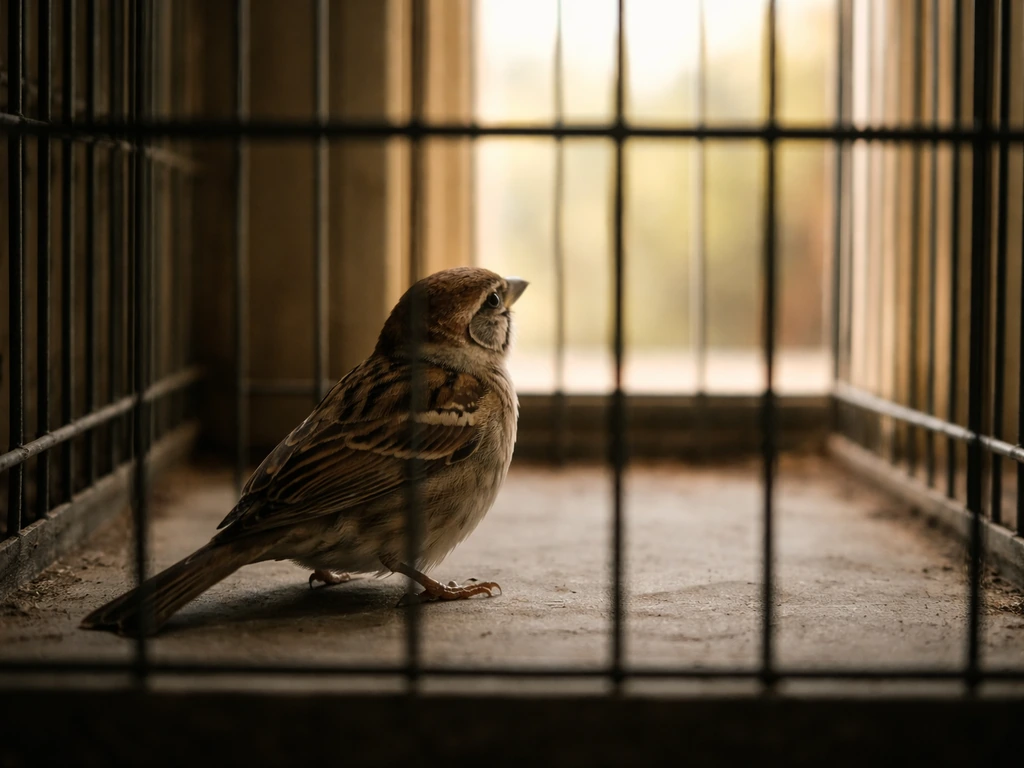
What the literal image actually shows
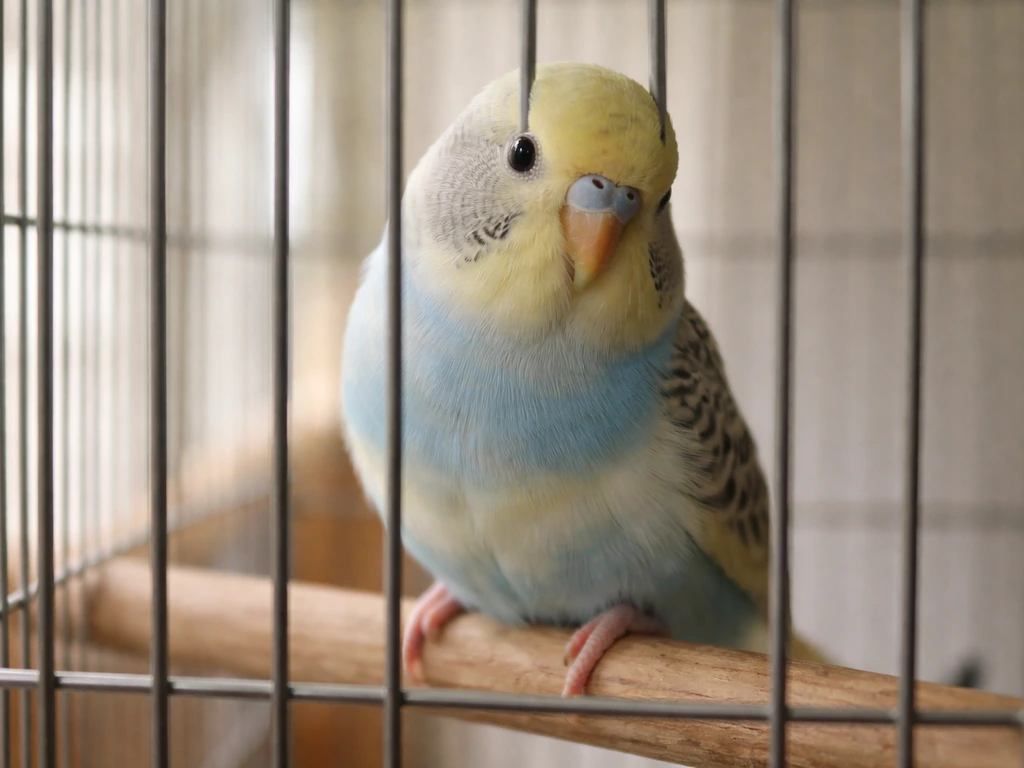
At face value, a bird and cage is exactly what it sounds like: an animal and the enclosure built to contain it. Birds were among the first animals kept as pets, prized for their song, their color, and the strange pleasure of watching something wild exist in a domestic space. The image of a caged bird is genuinely ancient, appearing in Egyptian art, Roman households, and medieval European courts long before it became a literary device. The phrase 'bird in a cage' shows up as a standalone title across media, film, and literature so often that it has essentially become a named trope, a cultural shorthand that people reach for when they want to communicate something about containment and longing without spelling it out. “Bird in a Cage” is also used as a standalone title in Wikipedia entries, showing the phrase functions as a named work or label blank" rel="noopener noreferrer">the phrase 'bird in a cage' shows up as a standalone title across media.
You will also encounter variants. 'Caged bird' is probably the most common compressed form, used in poetry titles, song names, and Instagram captions alike. 'Captive bird' is a slightly more formal variant that leans into the idea of imprisonment rather than domesticity. If you are looking for the captive bird meaning, this variant emphasizes imprisonment and the feeling of being held back. 'Bird in a gilded cage' is an older idiom that adds an extra twist: the cage looks beautiful, even luxurious, but it is still a cage. Each variant carries slightly different weight, but they all orbit the same core idea.
The big metaphor: freedom versus confinement
The reason this image resonates so widely is that birds are one of the oldest symbols of freedom humans have. They can go anywhere. They are not bound by roads or walls or borders. A caged bird, then, is not just an animal in a box. This kind of metaphorical searching also shows up in man's search for meaning, where inner freedom is tested against suffering and limitation. It is a living argument about what happens when something inherently free is kept in place. That argument works for people too, which is exactly why the metaphor keeps getting reused.
The 'cage' side of the image is just as loaded. A cage can represent a relationship that feels controlling, a job that traps someone financially, a society that limits who certain people can become, a mental state that keeps someone stuck, or a physical circumstance like illness or imprisonment. In motivational writing, the cage is almost always the antagonist. In more nuanced writing, including the better poems and songs, the cage is more complicated: it might offer safety, routine, or belonging alongside the restriction. The tension between those two readings is precisely what makes the image useful to writers.
What it means emotionally and psychologically
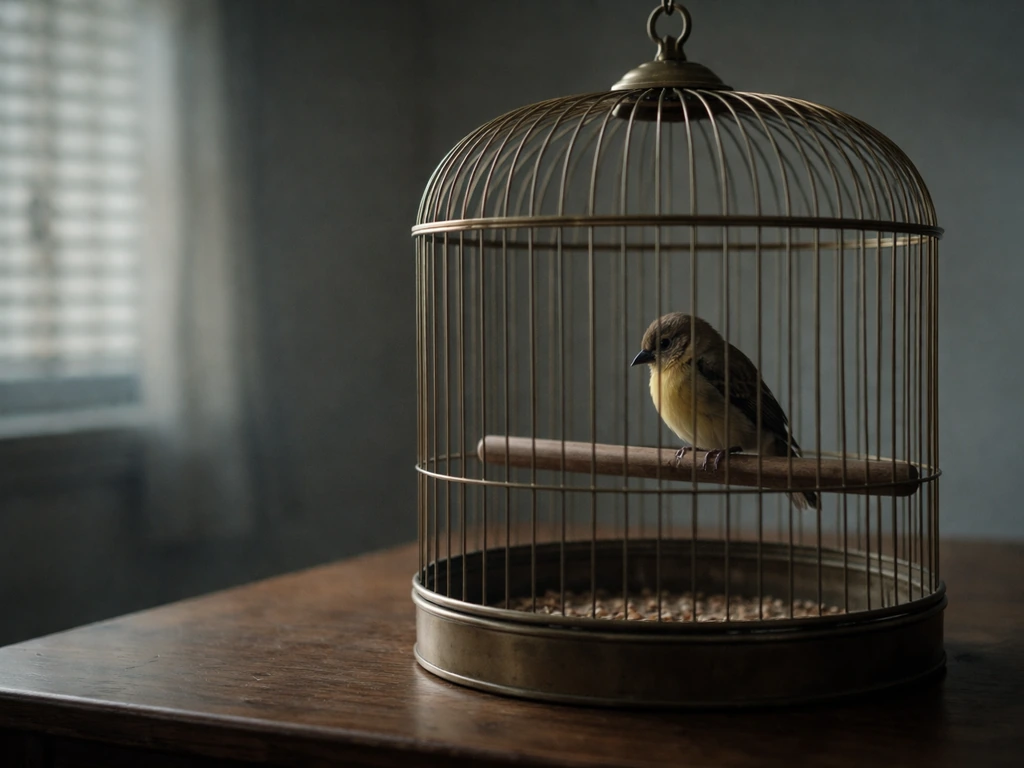
When people use the bird and cage image to talk about feelings rather than external circumstances, it usually points to one of three emotional states: feeling trapped, feeling protected but stunted, or feeling like part of yourself is being suppressed. The 'trapped' reading is the most common. Someone who describes themselves as a bird in a cage is usually saying they feel unable to move, grow, or express themselves freely, even if no one around them sees the cage.
The second reading, protected but stunted, is more ambivalent and more honest about how confinement actually works. A person who has never left an unhealthy relationship, a suffocating hometown, or an unfulfilling career might recognize both the comfort the cage provides and the cost it extracts. The cage is familiar. It has perches and food. Leaving it is genuinely frightening. This is why the image appears so often in conversations about mental health, personal growth, and identity: it captures the paradox of staying in something harmful because it also feels safe.
The third reading, suppressed identity, comes up frequently in writing about gender, sexuality, and cultural identity. The 'bird' in this context is the authentic self, and the 'cage' is the set of social expectations or family pressures that prevent that self from being expressed. This reading connects the bird and cage image to broader questions of who gets to live freely and who does not, questions that writers from Maya Angelou to contemporary lyricists have explored using exactly this symbol.
How different birds and cage types change the meaning
The specific bird inside the cage shifts the meaning noticeably. Here is how the most common bird types tend to be interpreted in this context:
| Bird | What it typically symbolizes in a cage context |
|---|---|
| Songbird (canary, nightingale) | Suppressed voice or talent; the most classic 'caged bird' symbol, tied directly to silenced creativity or expression |
| Dove | Trapped innocence or peace; sometimes used to represent a relationship or hope being contained or controlled |
| Eagle or hawk | Power or ambition that has been clipped; often used in political or social commentary about denied potential |
| Parrot | Mimicry under constraint; can symbolize someone forced to repeat what they are told rather than speak freely |
| Small unnamed bird | The everyman self; the most universal reading, where the bird stands for any ordinary person feeling confined |
The cage itself also carries meaning depending on how it is described. A gilded or ornate cage signals that the confinement comes with material comfort, making it harder to justify leaving and harder for outsiders to take the suffering seriously. A broken cage usually signals liberation or escape. An open cage door is one of the most recurring images in motivational content and signals opportunity, the choice to leave is there, but the bird has not taken it yet.
Sayings, idioms, and everyday uses of the image
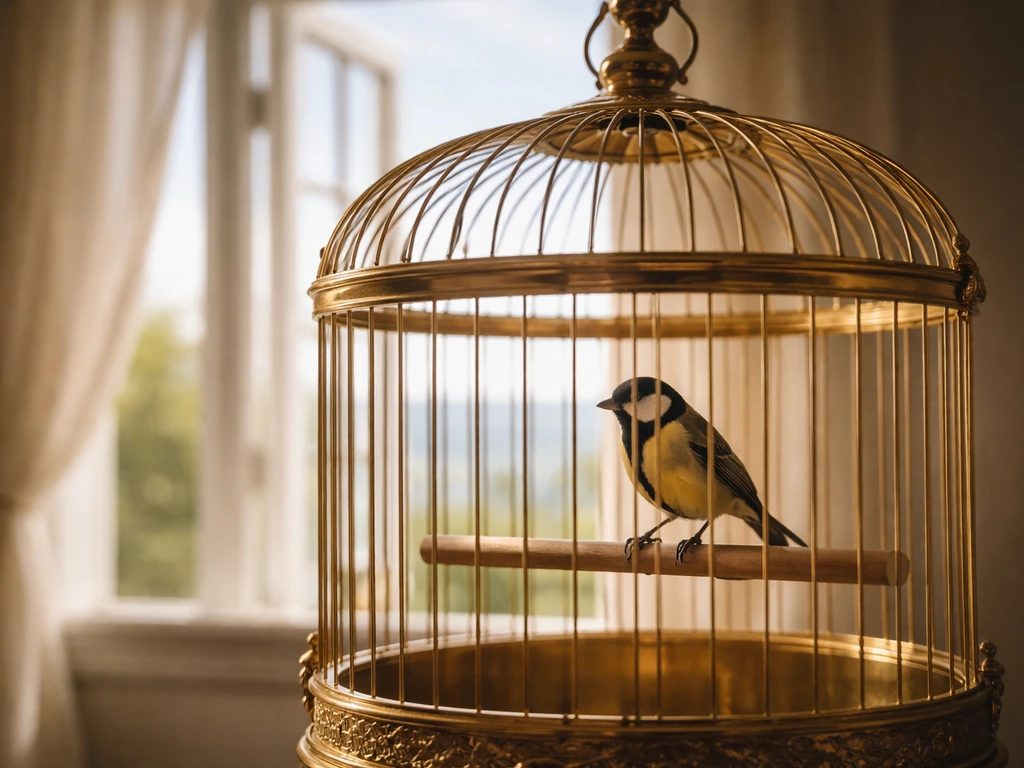
The bird and cage image has filtered into everyday language in ways people use without always realizing where the phrase comes from. A few of the most common expressions worth recognizing:
- "Bird in a gilded cage" — someone who lives in luxury but without real freedom, often used to describe a person in a controlling but financially comfortable relationship or situation
- "Free as a bird" — used by contrast to imply that the subject is NOT free, since it is usually invoked ironically or wistfully
- "Spread your wings" — the implied opposite of the caged state, urging someone to act as though the cage were already gone
- "Clip someone's wings" — to deliberately limit what someone can do, a direct metaphor from caged bird imagery
- "Singing in a cage" — associated with performing or creating under constraint; often interpreted as resilience or as a commentary on forced performance
- "Open the cage" — used colloquially to mean releasing someone from a restrictive situation, whether a relationship, job, or expectation
Maya Angelou's poem 'I Know Why the Caged Bird Sings' is probably the single most referenced use of this image in contemporary English, and it gave the phrase a specific resonance around racial oppression and the persistence of voice even under extreme constraint. When people reference a 'caged bird singing,' they are often (consciously or not) drawing on that tradition. The phrase 'caged bird' has become what linguists would call a loaded term: it carries cultural weight beyond its literal description, which is part of why it keeps appearing as a standalone title in poems, songs, and films. The phrase is also used widely as a cultural reference point in titles for poems and songs, as noted in the entry for “blank" rel="noopener noreferrer">Caged Bird.”.
How to figure out what someone means when they use it
Context is everything with this image. The same three words can mean something very different depending on who is speaking, what they are describing, and the emotional tone around the phrase. Here is a practical checklist for interpreting it when you encounter it:
- Check the tone: Is it sad, defiant, hopeful, or ironic? A mournful tone usually means the speaker identifies with the bird. A defiant tone often signals they are rejecting the cage. An ironic tone may be critiquing someone else's situation.
- Look at who or what is being described: If the speaker is describing themselves, it is almost always about feeling trapped emotionally, socially, or professionally. If they are describing someone else, they may be expressing concern, pity, or criticism of whoever built the cage.
- Notice what kind of cage it is: Gilded or comfortable cages point to privilege-with-constraint. Broken or open cages point to liberation. A locked cage with no visible key points to hopelessness or an appeal for help.
- Identify the bird if it is named: A songbird points to suppressed voice. An eagle or hawk points to clipped ambition. A dove points to innocence or peace being contained.
- Look at what comes before and after: If the phrase appears next to words like 'escape,' 'break free,' or 'spread wings,' the message is about liberation. If it appears next to words like 'safe,' 'comfortable,' or 'used to it,' the message is more ambivalent about leaving.
- Consider the medium: In a tattoo, the image is almost always personal and identity-related. In a quote or poem, it is usually metaphorical commentary. In a caption or meme, it could be humor, motivational content, or a veiled cry for help.
How to use the bird and cage image in your own writing or messaging
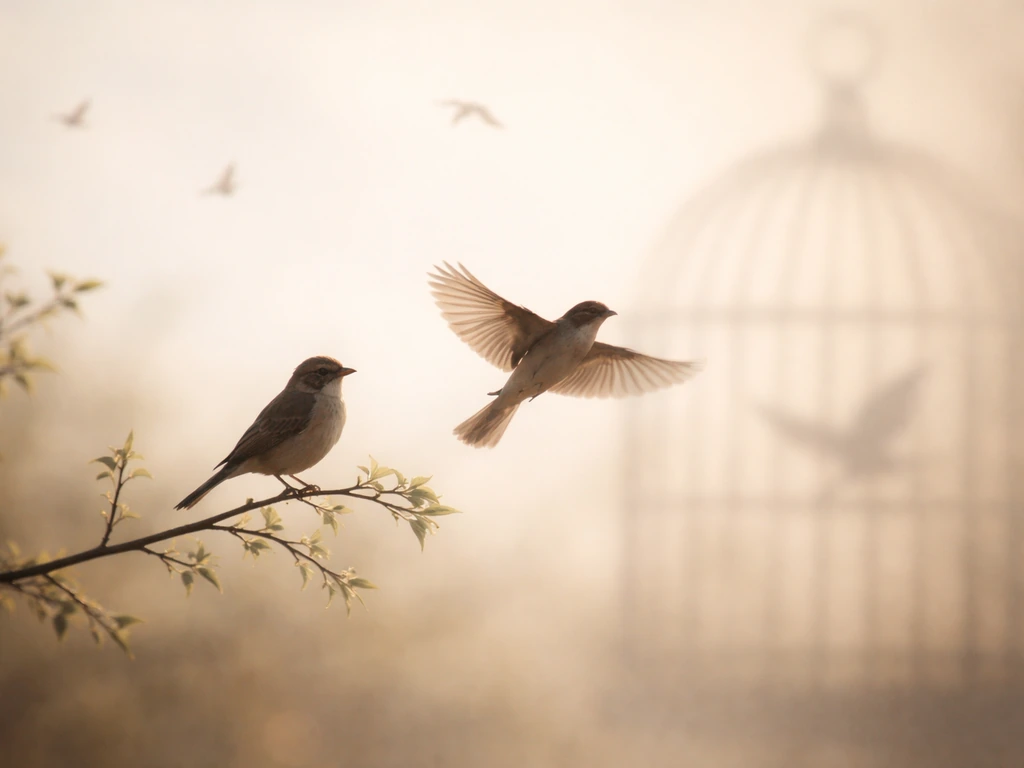
If you want to use this image intentionally, rather than just interpret it in something you read, a few guidelines help you land the meaning clearly. First, decide whether your bird is inside or outside the cage, and whether the cage door is open or shut. That single visual detail does most of your emotional work for you. A bird pressing against the bars reads very differently from a bird perched calmly inside, or a bird hovering uncertainly at an open door.
Second, think about who built the cage. If you are writing about self-imposed limitations (anxiety, perfectionism, old habits), the image of a bird that has forgotten the door is open can be powerful. If you are writing about external constraints (a relationship, a system, a family expectation), an ornate or locked cage communicates the idea that the confinement comes from outside. The distinction matters because it changes who is responsible and what the solution looks like.
Third, be specific about the bird if you can. Generic 'bird in a cage' is still evocative, but naming a nightingale, a canary, or a sparrow adds texture and precision. The nightingale sings in the dark. The canary warns of danger. The sparrow is common and overlooked. Each choice layers in a different shade of meaning without requiring extra explanation.
If someone has used the image to describe how they are feeling, particularly in a conversation about their emotional state, it is worth taking the metaphor seriously rather than treating it as a figure of speech. Saying 'I feel like a bird in a cage' is a specific and deliberate way of communicating constraint, and responding to the image directly, asking what the cage feels like or what flying free would look like for them, often opens a more useful conversation than treating it as a casual turn of phrase.
Where this connects to broader bird symbolism
The bird and cage image does not exist in isolation. It draws on a much deeper reservoir of bird symbolism across cultures: birds as messengers between worlds, birds as representations of the soul, birds as signals of hope and transcendence. When a caged bird sings despite its confinement, the cultural resonance is so strong partly because it echoes ideas from folklore, religious iconography, and centuries of literature about the relationship between the spirit and the body, the self and its circumstances.
Related concepts worth exploring if this image keeps appearing in your reading include the symbolic meaning of captive birds across different traditions, how names meaning 'caged bird' carry specific cultural weight in naming practices, and how the bird or cage framing shows up in specific storytelling contexts like the choices presented in Bioshock Infinite, where the image is used as an explicit philosophical device. In Bioshock Infinite, the bird or cage framing is tied to its themes of choice, freedom, and the cost of being controlled. Each of those threads extends the same central question the bird and cage image has always been asking: what does it cost to be contained, and what does it take to leave?
FAQ
Does “bird and cage” always mean freedom versus confinement, or can it mean something positive too?
It usually carries that core tension, but the cage can also read as protection or structure. If the “cage door” is open or the bird looks calm and healthy, the meaning often shifts from suffering to safety with a choice to expand.
How do I tell whether the cage is self-imposed or imposed by someone else?
Look for cues about agency in the wording or artwork. Self-imposed confinement is suggested when the bird seems unaware of an exit, while external confinement is suggested when the cage is locked, guarded, or built by an identifiable other (family, system, partner).
What does it mean if the cage is decorated, like “gilded cage”?
A decorative cage often implies comfort that makes escape harder, emotionally or socially. The key detail is whether the decoration is “inviting” but restrictive, which typically means the person is trapped inside something that looks acceptable to outsiders.
In motivational quotes, what does an “open cage door” usually signal?
It typically signals opportunity and timing, the barrier is present but not final. If the bird is still inside, the implied obstacle is usually fear, readiness, or habit, not the physical lack of an exit.
What if I see “caged bird singing” but the tone is angry or resentful, not hopeful?
Singing can be framed as resistance or survival, not just hope. When the tone is bitter, the meaning often emphasizes forced endurance (keeping voice alive despite harm) rather than a straightforward “you will be free” message.
Does the bird species change the meaning in a predictable way?
It adds texture more than strict rules. Canary-like imagery often leans toward warning and fragility, while nightingale-like imagery leans toward voice and beauty under harsh conditions. The emotional tone around the bird matters as much as the species label.
If someone says “I’m a bird in a cage” in conversation, what is the best response?
Treat it as a metaphor with specific content: ask what the “cage” is in their day-to-day (a relationship pattern, anxiety, work pressure) and what “flying free” would look like practically (boundaries, a plan, support). Avoid immediately offering generic advice like “just leave,” unless they have signaled that option.
Can the metaphor apply to mental health without being literal or dramatic?
Yes, and it often maps to experiences like rumination, avoidance, or perfectionism that limit action even when circumstances seem “fine.” The most useful interpretation is to identify the repeating behavior that keeps the person from using the metaphorical door.
What common mistake should I avoid when interpreting this phrase in art or lyrics?
Don’t assume the cage is always villainous and the bird always innocent. Some works deliberately blur the line, showing that confinement can provide stability while also costing freedom, so check whether the bird benefits in any way.
When the phrase is used around identity (gender, sexuality, culture), what is the “cage” usually pointing to?
Often it points to expectations, norms, or family pressures that restrict expression. In those contexts, “open door” imagery usually implies safety to be visible, not simply escape from a single situation.
How should I interpret it when the bird is outside the cage in an image or lyric?
That often indicates liberation, but not always full healing. If the bird looks exhausted or distant, it can mean freedom has happened yet the psychological effects remain, the person may need time to trust movement and voice again.
Next Article
War Bird Meaning: Literal, Slang, and Historical Uses
Understand war bird meaning: literal, slang metaphor for fighters, and historical bird symbolism, plus close phrase comp