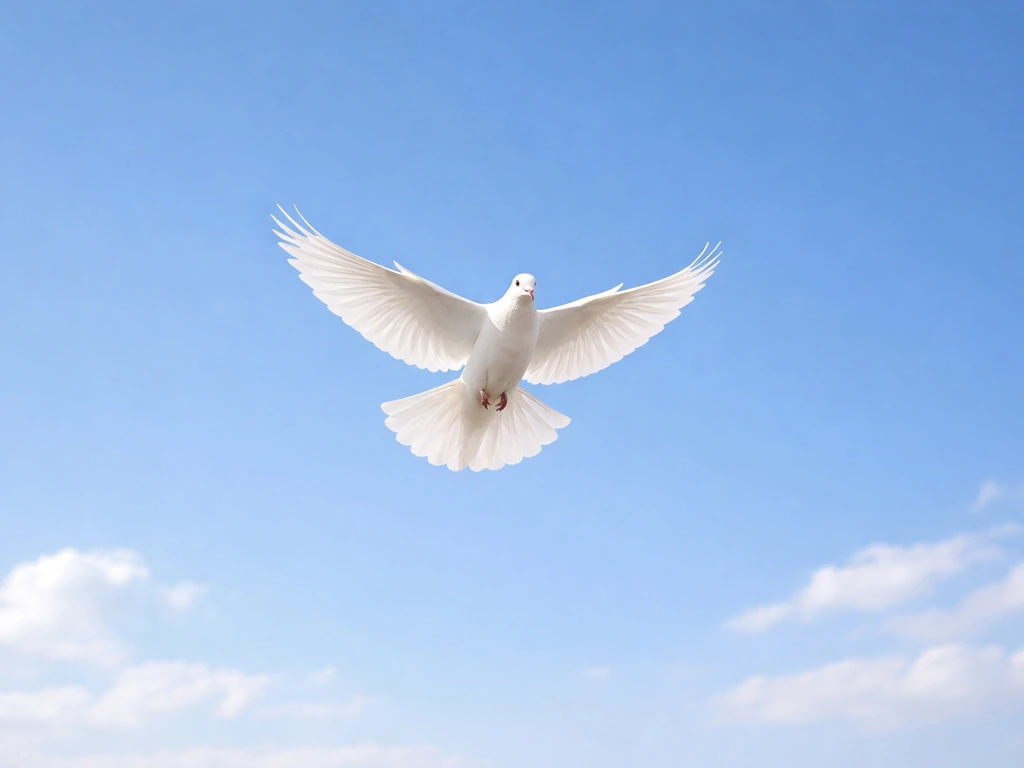
"The bird has landed" means that something or someone has arrived, a plan has come together, or a key milestone has been reached. It is almost always used as an announcement: whatever was in motion is now settled, complete, or in place. The exact flavor of the meaning shifts depending on context, but the core idea is the same every time: movement has ended, and the moment of arrival is here.
The Bird Has Landed Meaning: Literal and Metaphorical Use

Marcus Whitmore
11 May 2026
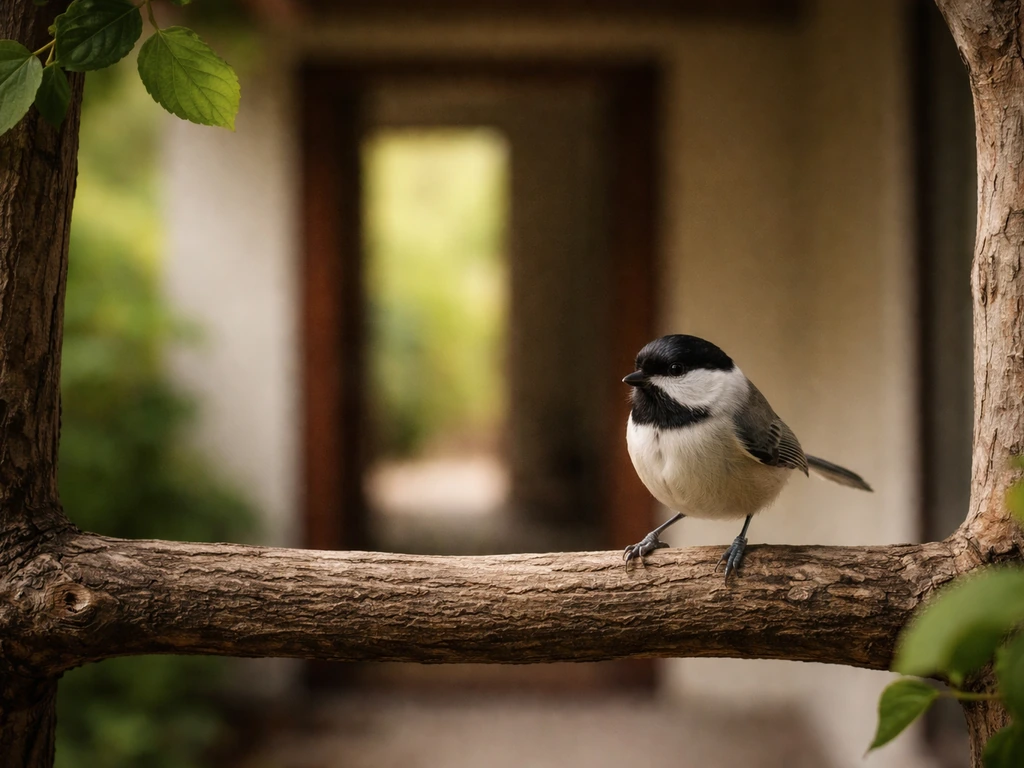
What the phrase literally means
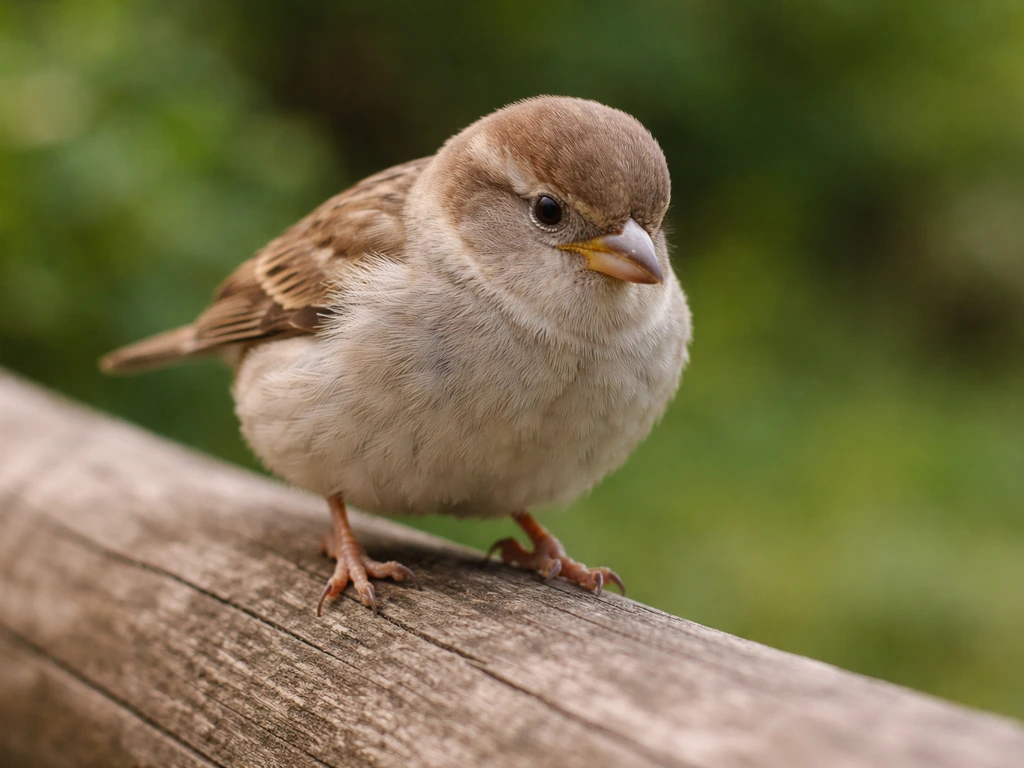
At its most literal, "the bird has landed" is just a plain description of an animal touching down. A bird that was airborne has come to rest somewhere. The verb "land" carries the sense of arriving and settling, whether by air or water, and applied to a bird it is about as straightforward as language gets. As a literal description, “landed” is the past participle used when an aircraft or thing arrives and comes to rest (for example, “The bird has landed on the windowsill”) the sense of arriving and settling. You will occasionally see it used in exactly this way, as a headline or caption announcing a real bird's arrival at a location, or a person nicknamed "Bird" showing up somewhere (a news piece once ran the headline "The Bird Has Landed" to announce a jazz or music figure's arrival in a new city, with zero metaphorical intent).
That literal layer is worth keeping in mind because it is the reason the phrase feels so immediate and visual when it is used metaphorically. Picturing a bird dropping out of the sky and settling onto a branch gives "has landed" a satisfying, definitive quality that "has arrived" on its own does not quite match.
The metaphorical meaning: arrival, success, and completion
The phrase's most common non-literal use is as a shorthand for "it worked" or "we made it." Think of it as a one-line victory announcement. The idiomatic version is essentially borrowed from "The Eagle has landed," the line Neil Armstrong radioed to Mission Control on July 20, 1969, when the Apollo 11 lunar module touched down on the Moon. That moment became one of the most replayed and referenced lines in modern history, and slang dictionaries now define the idiom directly: a difficult or important task has been successfully completed.
"The bird has landed" borrows exactly that energy. When someone uses it in conversation, they are usually announcing that something they were waiting for, working toward, or orchestrating has now come through. The package arrived. The deal closed. The guest is here. The plan worked. It covers a wide range of completions, but the emotional register is consistent: relief mixed with a little triumph.
Sports and entertainment contexts sometimes stretch it further. A minor league baseball report once ran the line "For the Yankees and their fans, the Bird has landed" to announce a mascot or player transition, using the phrase as organizational arrival framing rather than a statement about a plan succeeding. That is still within the same metaphorical family: something important has moved from "in progress" to "in place."
How to tell what someone means when they say it

Context is doing almost all of the work here, and there are a few reliable signals you can look for. The meaning of “let the bird out of the cage” is similar in spirit to letting something be free, but it is not the same as “the bird has landed.” let the bird out of the cage meaning.
| Context | Most Likely Meaning | Tone |
|---|---|---|
| Someone texts you "the bird has landed" after a trip | The person (or their guest) has arrived at a destination | Casual, lighthearted |
| A colleague says it after finalizing a deal or project | The task is done, the milestone is reached | Triumphant, relieved |
| A headline about a person nicknamed Bird | Literal arrival announcement for that individual | Neutral, informational |
| Sports/team context (mascot, player, organization) | A key figure or element is now officially in place | Celebratory |
| Literary or artistic use as a chapter or section title | Dramatic arrival of a character, idea, or turning point | Atmospheric, thematic |
| Wildlife or nature writing | A literal bird has touched down at a location | Descriptive, factual |
If the phrasing feels slightly theatrical or conspiratorial, especially if it arrives via text or whispered in a group setting, it is almost certainly using the "mission accomplished" meaning. In the military, you may hear it used in a similar “mission accomplished” or “arrival” sense, but its exact meaning depends on the unit and context. That sense of secret triumph is baked into the phrase's cultural DNA thanks to the Apollo 11 connection. If it shows up in plain reporting or a caption under a photograph, lean toward the literal reading first.
Birds in language and culture: why arrival matters
Birds have carried symbolic weight across cultures for thousands of years, and one of the most consistent threads is their role as messengers and omens. In ancient Mesopotamia and parts of South Asia, the direction a bird flew from or the species that appeared was read as a sign about what was coming. In that worldview, a bird landing near you was not a coincidence but a communication. That interpretive tradition runs deep enough that it shaped how bird imagery migrated into modern language.
The eagle in particular carries layers of symbolism tied to power, national identity, and determination. The U.S. bald eagle represents freedom and strength on the national seal, which is part of why Armstrong's "Eagle has landed" line hit so hard: it fused the literal touchdown with an entire symbolic vocabulary already attached to that bird. If you hear a twist like the bird is freed, the meaning is usually tied to release, completion, or getting past what was holding things back the bird is freed meaning. "The bird has landed" inherits some of that resonance even when the bird in question is not an eagle.
Across folklore and mythology, birds are also strongly linked to transitions: the arrival of a migratory bird marks a season changing, a message received, or a journey completed. That is the symbolic logic underneath arrival phrases like this one. The bird was elsewhere, in motion, unreachable, and now it is here. The gap between "in flight" and "landed" maps naturally onto the gap between "not yet" and "done."
This site also covers related expressions that sit in the same conceptual space, like the idea of a freedom bird (a term with specific military meaning for a flight returning soldiers home), the symbolism behind freeing a bird from a cage, and what it means when a bird is freed. If you are seeing the phrase free bird meaning, it can relate to the specific military usage around flight returning soldiers home. All of those phrases share the same underlying dynamic: a bird's movement, or the stopping of that movement, as a sign of change or completion.
How and when to use the phrase yourself
"The bird has landed" works best in casual, slightly playful registers. It carries a wink to it, an awareness that you are borrowing something from a bigger cultural moment and applying it to your own smaller one. That is part of its charm. You would not typically say it in a formal email or a press release, but it lands well in texts, group chats, verbal updates among friends or colleagues, or any situation where a little flair is welcome.
Here are a few ways it actually sounds in use:
- "The bird has landed. She just got to the hotel." (announcing someone's arrival)
- "The bird has landed, people. Contracts are signed." (celebrating a completed deal)
- "Just so you know: the bird has landed. Thanksgiving is about to get interesting." (a relative has arrived)
- "The bird has landed at gate 4B." (playful spin on a literal travel update)
- "They said it couldn't happen, but the bird has landed." (triumph after overcoming doubt)
The tone is almost always upbeat or at least neutral. You would not typically use this phrase to announce bad news or a threat, which is a useful guide for how to read it when someone else uses it. It is an announcement of something resolved, not something pending or ominous.
Where people get it wrong
Confusing it with a threat or warning

Because the phrasing can sound slightly coded or dramatic, some readers interpret "the bird has landed" as ominous, as if something dangerous has arrived. That reading is almost never right. The idiom's roots are in a moment of relief and success, not peril. If someone uses it about something genuinely alarming, they are being ironic, which itself is a clue: the irony works only because the phrase normally announces something good.
Treating it as a fixed, single idiom
Unlike a phrase that has one locked-in definition, "the bird has landed" is flexible. It is not listed in most dictionaries as a standalone entry the way "kick the bucket" or "bite the bullet" are. It functions more like a riff on "the eagle has landed," which does have a documented idiomatic meaning (a major task has been successfully completed). Expecting a single dictionary definition and then being confused when context shifts the meaning slightly is the most common source of misreading.
Missing the entertainment or pop culture reference
"The Eagle Has Landed" is also the title of a 1976 war film, a 1983 Saxon song, and several other works. If someone references "the bird has landed" and there is any entertainment context nearby, a film title or album reference is worth considering as a possible reading. It does not change the underlying meaning much, since those works borrowed the phrase for exactly its triumphant or arrival-announcement connotations, but it can explain why someone reached for this particular phrasing.
How to respond if you are unsure which meaning applies
The easiest move is to respond to the most likely meaning (someone or something has arrived or a task is done) and let the speaker clarify if needed. Because the phrase is almost always good news, treating it as such and responding with a "great" or "got it" rarely goes wrong. If the context genuinely needs pinning down, asking "arrived where?" or "did it go through?" will surface the right interpretation fast without making the exchange awkward.
FAQ
Does “the bird has landed meaning” always imply something good arrived, like a package or a guest?
Yes. It can mean a shipment or booking has physically arrived, but it also commonly means “we’re done and it worked” even when no delivery is involved. If the situation involves a handoff (package, guest, team member), interpret it as arrival. If it follows effort or waiting (approval, troubleshooting, negotiation), interpret it as completion.
What if someone says “the bird has landed” about something scary or alarming?
In most everyday uses, it is not a warning. People reach for it to signal relief or success. If the topic is clearly negative (danger, threats, emergencies), the speaker is likely being ironic, so you should ask for clarification rather than assuming the standard “mission accomplished” intent.
When is the phrase appropriate, and when is it premature?
Use it only when the “settled” moment is genuinely reached. For example, you can say it after a deal closes or the team finishes, but not while the outcome is still uncertain. If you are unsure whether it actually worked, options like “almost there” or “it looks like it’s landing” fit better.
Is it okay to use the phrase in a formal email or official context?
It often lands better in short, upbeat updates than in formal writing. In a press release or an official email, you may want to translate it to plain language like “the project has been completed” to avoid sounding playful or coded.
Why does “the bird has landed” sometimes sound coded in group chats?
In texts and group chats, it can sometimes feel conspiratorial or “mission code” because of its association with “mission accomplished.” Even then, it usually just means success. A practical check is the follow-up, if any. If they add details like “deal signed” or “package delivered,” take it literally as success and arrival.
How should I respond if I’m not sure whether they mean arrival or “it worked”?
You can treat it as an idiom that expects the other person to know the context. The fastest clarifying question is specific: “Arrived where?” or “Did it go through?” That usually reveals whether they mean physical arrival, or a task being completed.
Can I use it when things are still in progress, like late-stage negotiations?
The phrase is usually tied to “movement to rest.” If a situation is ongoing or only partially done, it can sound off. If you want to express progress, try variants in the same spirit, like “the bird is in range” or “we’re close,” but avoid using “landed” until the endpoint is reached.
What if someone referenced “The Eagle Has Landed” or another movie, could that change the meaning?
Yes, entertainment and titles can influence how people use it, especially if the conversation references a film, song, or sports storyline. But even when entertainment context is present, the conversational intent usually stays close to triumphant arrival, so you can still interpret it as success unless the speaker indicates otherwise.
How can I use “the bird has landed meaning” without confusing people?
It can. The phrase tends to be positive, so if you’re the one posting, it helps to add one concrete detail (for example, “tickets are in,” “client confirmed,” “handoff complete”) so readers don’t overthink the dramatic tone.
What does it usually mean when someone says it right before giving next steps?
If you hear it followed by instructions or a new directive, it might be used like a status update, “we reached the checkpoint, proceed.” In that case, interpret it as a completed step and look for what action comes next, such as attending the next meeting or moving to the next phase.
Next Article
Freedom Bird Meaning: Symbolism, Birds, and How to Interpret
Meaning of freedom bird symbolism: liberation, independence, hope, peace or power, plus how to identify context and bird