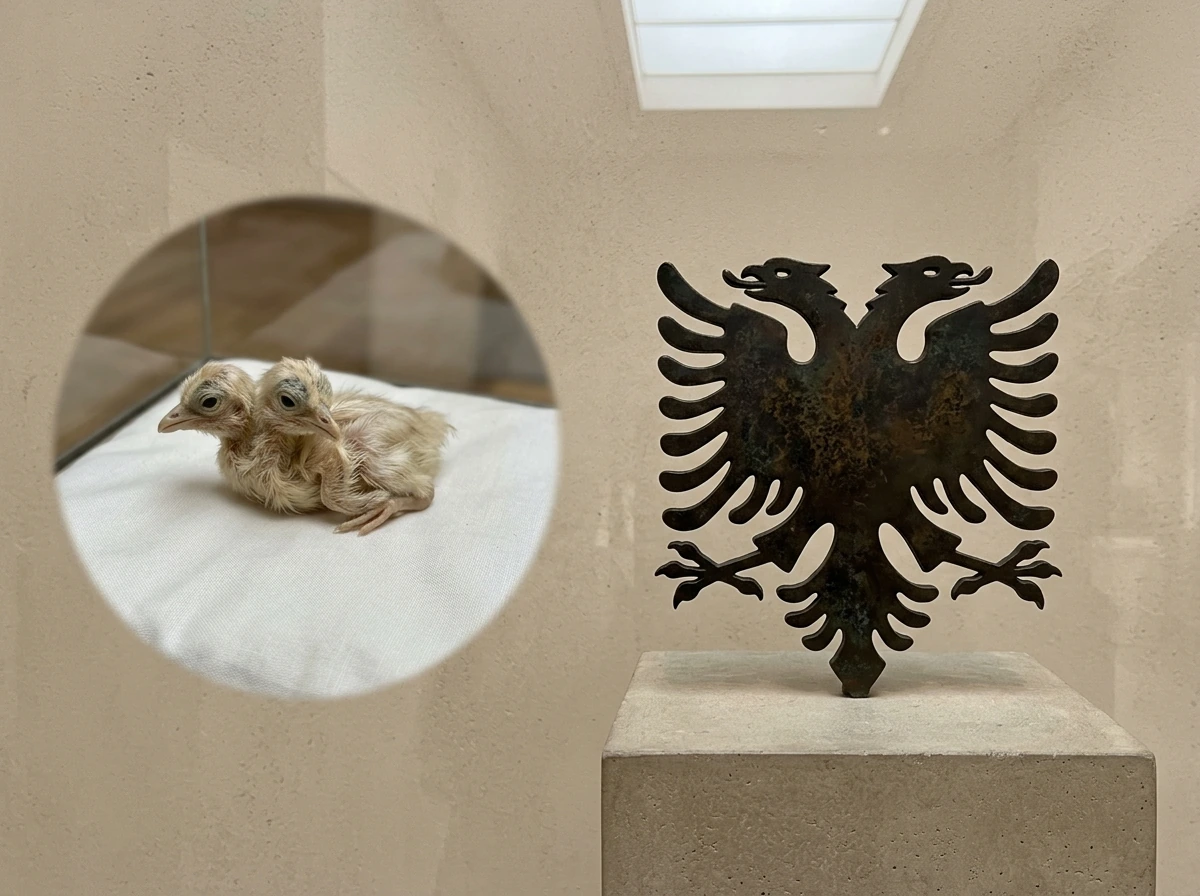
"Bird of a feather" means someone who shares the same qualities, interests, or values as another person. The full proverb, "birds of a feather flock together," takes that idea further: people who are alike tend to seek each other out and spend time together. It's one of those idioms that most people understand intuitively, even if they've never stopped to think about where it came from or why it's phrased the way it is.
Bird of a Feather Meaning: Idiom and Common Variations

Marcus Whitmore
23 Mar 2026
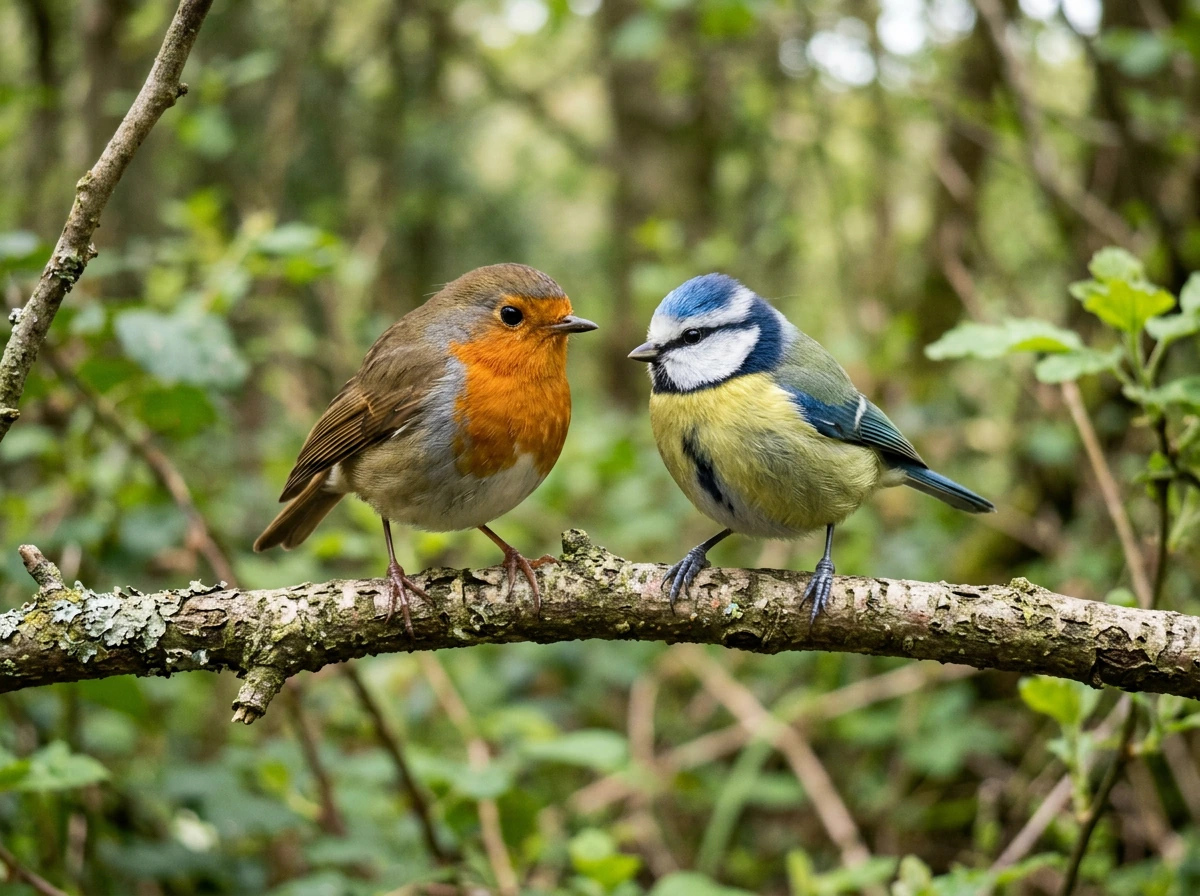
Where "bird of a feather" actually comes from
The proverb has deep roots in English. If you want a related way to express shared purpose in a larger, more philosophical sense, see also two wings of the same bird meaning. One of the earliest recorded written forms comes from John Minsheu's 1599 work "The Dictionarie in Spanish and English," where the phrase appears as "blank" rel="noopener noreferrer">Birdes of a feather will flocke togither." ...meaning is identical to what we say now. The phrase also appears in early modern English proverb collections, including one titled "Proverbs English, French, Dutch, Italian, and Spanish. All Englished and alphabetically digested," digitized through the University of Michigan's Early English Books Online collection.
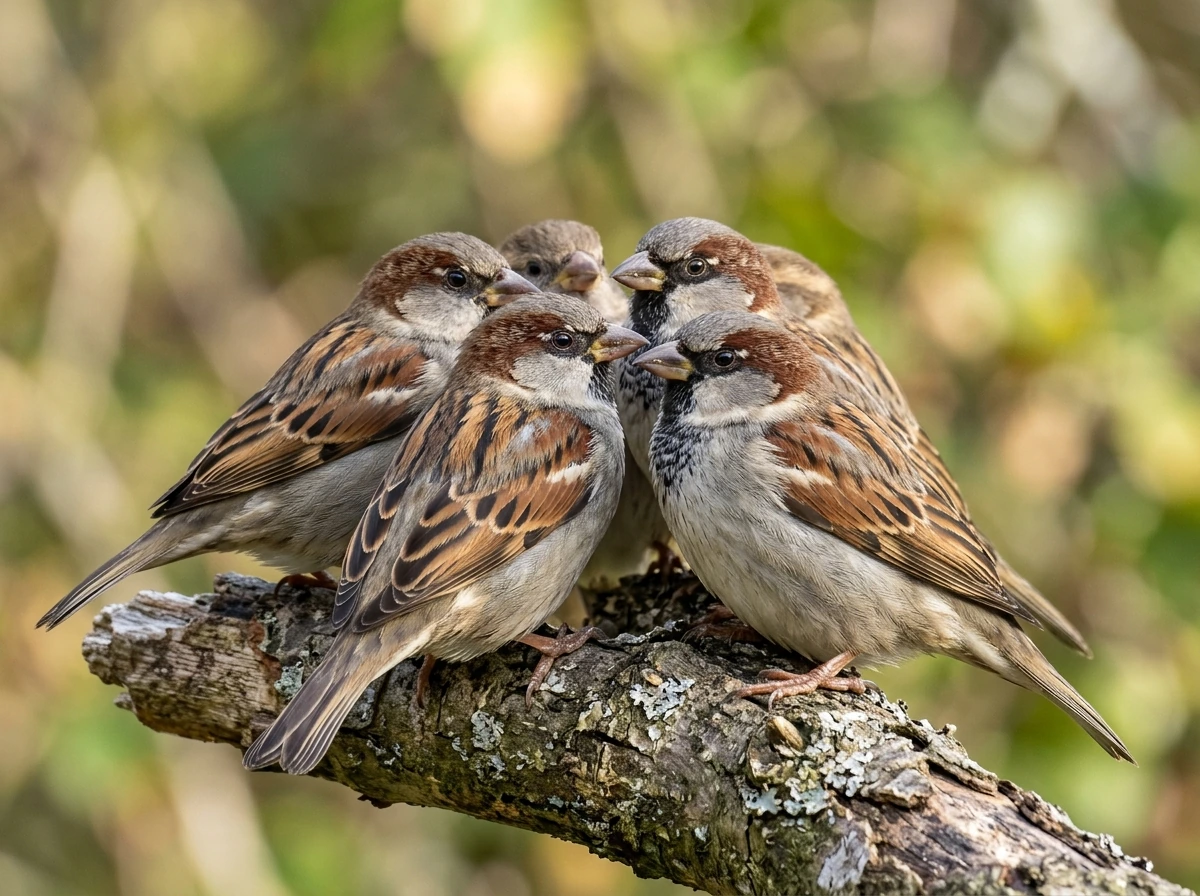
The imagery behind it is straightforward naturalism. Birds of the same species really do flock together. Starlings group with starlings, sparrows with sparrows. Early observers of nature noticed this and used it as a metaphor for human behavior: we gravitate toward people who look, think, or act like us. The proverb turned that observation into a piece of social wisdom that has stuck around for over 400 years.
What "flock together" adds to the meaning
On its own, "bird of a feather" just describes shared similarity. Someone might call a pair of friends "birds of a feather" as shorthand for "those two are exactly alike." But the full phrase, "birds of a feather flock together," makes a behavioral claim, not just a descriptive one. It says that similarity isn't just a trait, it's a force. Like-minded people don't just happen to be similar; they actively find each other.
The tone of the phrase can shift depending on context. Used warmly, it's an observation about friendship or community: "We all grew up in the same neighborhood, played the same sports, had the same taste in music. Birds of a feather." Used critically, it's a pointed comment about cliques, echo chambers, or people who only associate with their own kind: "It's no surprise those two ended up working together. Birds of a feather flock together." The words don't change, but the speaker's attitude shapes whether it sounds like a compliment or a gentle jab.
Shortened versions and how they're used
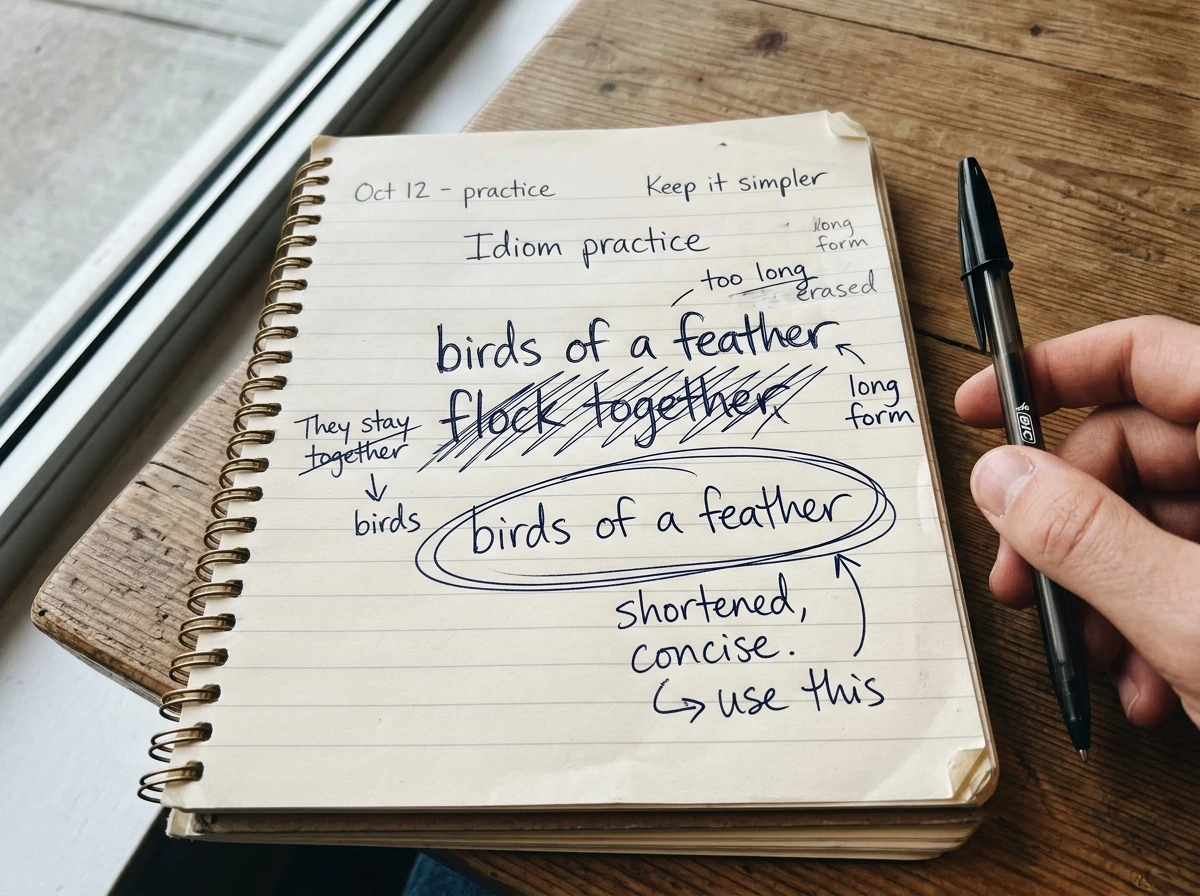
In everyday conversation, people often drop the "flock together" part entirely. Saying "they're birds of a feather" is completely natural and widely understood. The full proverb tends to appear in writing, formal commentary, or when someone wants to make the point more emphatically. Both versions are correct and common.
Common misquotes and rewording confusion
Because the phrase gets passed around in conversation rather than read from a page, people occasionally flip or rearrange the words. You might see someone write "feathers of a bird flock together," "feathers of the same bird," "bird feather meaning," or even "feather bird meaning" when they're searching for this idiom. None of those are the standard form of the proverb, but they're all attempts to reconstruct the same idea.
The key swap to notice is "feather" vs. "feathers" and whether "bird" comes before or after. The correct proverb uses "birds of a feather" (plural birds, singular feather), which is a slightly unusual grammatical construction, and that's part of why people misremember it. Saying "feathers of a bird" reverses the logic and loses the metaphorical weight, but if someone uses that phrasing, they almost certainly mean the same thing as the original proverb.
"Bird of the same feather" is another common variation. This one is close enough that it reads naturally and carries the same meaning. You'll find it used interchangeably with "birds of a feather" in informal writing, and it works fine in conversation. It's nonstandard in the strict sense, but no one is going to misunderstand you.
| Phrasing | Standard? | Meaning conveyed |
|---|---|---|
| Birds of a feather flock together | Yes, original form | Like-minded people naturally group together |
| Birds of a feather | Yes, common shortening | Two or more people who are very alike |
| Bird of the same feather | Nonstandard but widely understood | Same as above; singular framing |
| Feathers of the same bird | Nonstandard | Intended meaning is the same; word order reversed |
| Feathers of a bird flock together | Nonstandard | Clear attempt at the proverb; understood in context |
| Bird feather meaning / feather bird meaning | Search-query phrasing, not a phrase | Usually means someone is looking up this idiom |
When you see it in a song

"Bird of a feather" appears in song titles and lyrics often enough that it's worth addressing directly. If you're looking up "bird of a feather song meaning" or "bird of the same feather song meaning," you're probably either trying to understand a specific lyric or wondering what the phrase signals thematically in music.
When songwriters use this phrase, they're usually reaching for the same emotional territory the proverb covers: belonging, mutual recognition, and the feeling of finding someone who truly gets you. In romantic songs, it often describes two people who feel uniquely matched. In songs about friendship or community, it signals solidarity and shared identity. The proverb lends itself to music because it's compact, evocative, and already carries centuries of cultural meaning without needing explanation.
What you won't usually find in song lyrics is the critical edge the proverb can carry in everyday conversation. Songs tend to use it warmly, leaning into the idea of finding your person or your people. So if you're interpreting a lyric that uses this phrase, the safest read is connection and mutual belonging, not judgment or social commentary, unless the rest of the song's tone points somewhere darker.
Related phrases worth knowing
"Bird of a feather" sits in a broader family of bird-based idioms about similarity and difference. If you've come across phrases like "bird of a different feather," that one flips the proverb on its head: it describes someone who stands out, who doesn't fit the mold of the group around them. It's worth reading about that phrase separately if you've seen it used, because the contrast with the original is actually one of the most interesting parts. two bird on a wire meaning
There are also related expressions that use bird imagery to talk about unity and shared purpose, There are also related expressions that use bird imagery to talk about unity and shared purpose, like the idea of two wings of the same bird, which carries a more philosophical or political meaning Those are different enough from "bird of a feather" that they deserve their own treatment, but knowing they exist helps you see that bird idioms in English (and across many cultures) consistently return to themes of similarity, belonging, and collective identity, and you can explore <2 headed bird meaning> as another example of how bird imagery gets used symbolically. It’s also closely related to the idea in “2 wings of the same bird meaning,” where two people or groups are seen as fundamentally connected despite their differences.
How to use it naturally in conversation
The idiom works best when you're making an observation about two or more people who share a striking similarity in personality, habits, or values. It's not really an insult on its own, but it can carry a dry or knowing tone depending on how you deliver it. Here are some real-world examples that show the range: In some discussions, people also connect it to the idea of left wing and right wing being the same bird, meaning opposing sides can still share the same underlying motives or attitudes left wing and right wing same bird meaning.
- "She and her college roommate are still best friends after twenty years. Birds of a feather, honestly." (warm, admiring)
- "Of course they both showed up two hours late. Birds of a feather flock together." (wry, slightly exasperated)
- "I knew the moment I met her that we were birds of a feather. Same taste in books, same humor, same weird sleep schedule." (personal, affectionate)
- "Look at those two in the corner arguing about the same obscure policy points. Birds of a feather." (amused observation)
- "It's not surprising the whole team operates the same way. Hire people who think alike and birds of a feather flock together." (mild critique of groupthink)
Notice that the phrase almost always follows the observation rather than leading it. You describe the situation first, then drop the idiom as a kind of verbal punctuation. That's the most natural rhythm. Starting with "birds of a feather flock together" and then explaining why tends to feel more formal or lecture-y, which works in writing but can sound stiff out loud.
A note on tone and audience
Because the phrase is old and widely recognized, it reads as slightly traditional in casual speech. Younger speakers sometimes use it ironically or humorously, but it doesn't feel dated the way some idioms do. It's one of those expressions that has aged well because the underlying idea, that we're drawn to people like ourselves, never stops being relevant. You can use it comfortably across generations without worrying it'll land wrong.
FAQ
Is “bird of a feather” ever meant as an insult?
It can be, but it depends on delivery. If you use it after criticizing someone’s behavior or implying they form a clique, it can sound like “they’re the same kind of trouble.” Neutral use is more like a recognition of shared interests, not a value judgment.
What’s the best sentence structure, should I say it before or after the explanation?
Most natural is to describe the similarity first, then add the idiom as a wrap-up. For example, “They both hate the same things and love the same hobbies, birds of a feather.” Leading with the phrase can feel stiff or formal in everyday talk.
Does “bird of a feather” imply people are identical, or just similar?
Usually it points to a noticeable overlap in personality, habits, or values, not total sameness. “Birds of a feather” often means “they match in key ways,” even if they are different in other respects.
Can I use it for groups, like “teams” or “communities,” not just two people?
Yes. It commonly extends to any set of people who stick together because they share a trait. You might say “People with that background gravitated toward each other, birds of a feather,” especially when talking about culture, workplaces, or fandoms.
Is “bird of the same feather” always interchangeable with “birds of a feather”?
Mostly, yes. People understand both, and “bird of the same feather” is a natural variation in conversation. The difference is grammatical, not meaning, but “birds of a feather” is the most idiomatic form.
Which is correct, “feather” or “feathers”?
The standard is “birds of a feather” (plural birds, singular feather). If someone writes “feathers,” they likely mean the same idea, but it’s less aligned with the traditional phrasing and may look like a memory slip.
What does the full proverb add compared with the shortened version?
The shortened idiom focuses on similarity, while “flock together” adds the idea of actual behavior, people gravitating and choosing each other. If you want to emphasize that they actively seek one another, use the full version.
How should I interpret the phrase in romantic songs versus friendship songs?
In romance, it often signals mutual recognition and a feeling of being uniquely matched. In friendship or community music, it usually suggests shared identity and belonging, unless the lyrics around it carry a critical tone.
If someone uses “birds of a feather” in a social media context, is it always about who you are like?
Not always. It can be used to describe a pattern of grouping (for example, “people like this end up with people like that”). Sometimes it’s observational about social dynamics more than personal character, so pay attention to whether the post criticizes or simply notes behavior.
What common mistakes do people make when searching or typing the phrase?
People often reverse the order (like “feathers of a bird”) or switch “bird” and “feather(s).” Another confusion is searching “bird feather meaning” or “bird of the same feather song meaning” when they really need “birds of a feather.” The idiom is anchored by “birds” and “a feather” together.
Next Article
2 Headed Bird Meaning: Biology, Symbols, and Metaphors
Real vs symbolic meaning of a two headed bird, plus a checklist to identify biological, omen, meme, or character context