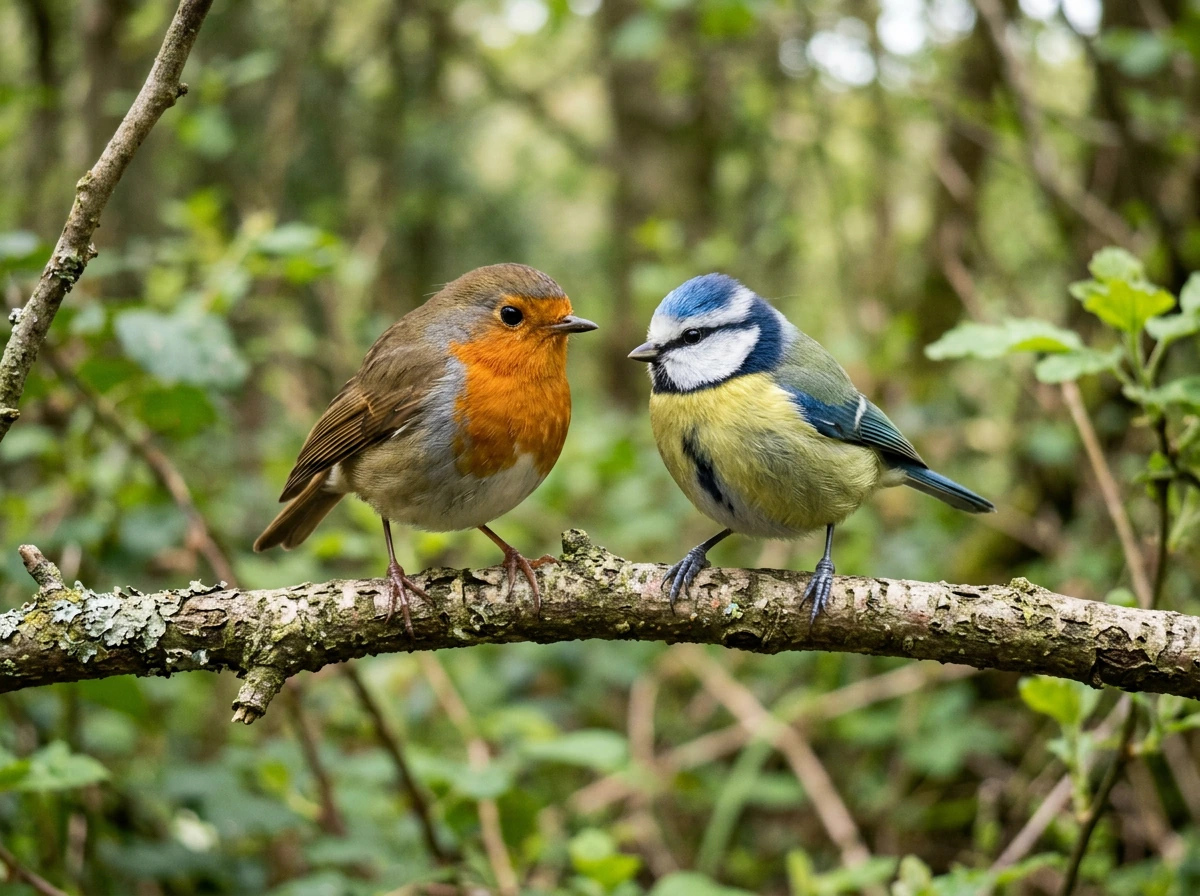
"Two wings of the same bird" means that two things which appear separate, or even opposed, actually share the same source, the same nature, and the same fate. They look different, they may move differently, but neither one works without the other, and both belong to the same creature. That is the core of it. Whether you encountered the phrase in a political essay, a song lyric, a novel, or a poem, the fundamental message is almost always the same: division is surface-level, unity runs deeper.
Two Wings of the Same Bird Meaning and Poem Interpretation

Marcus Whitmore
23 Mar 2026
The core meaning: what this idiom is actually saying
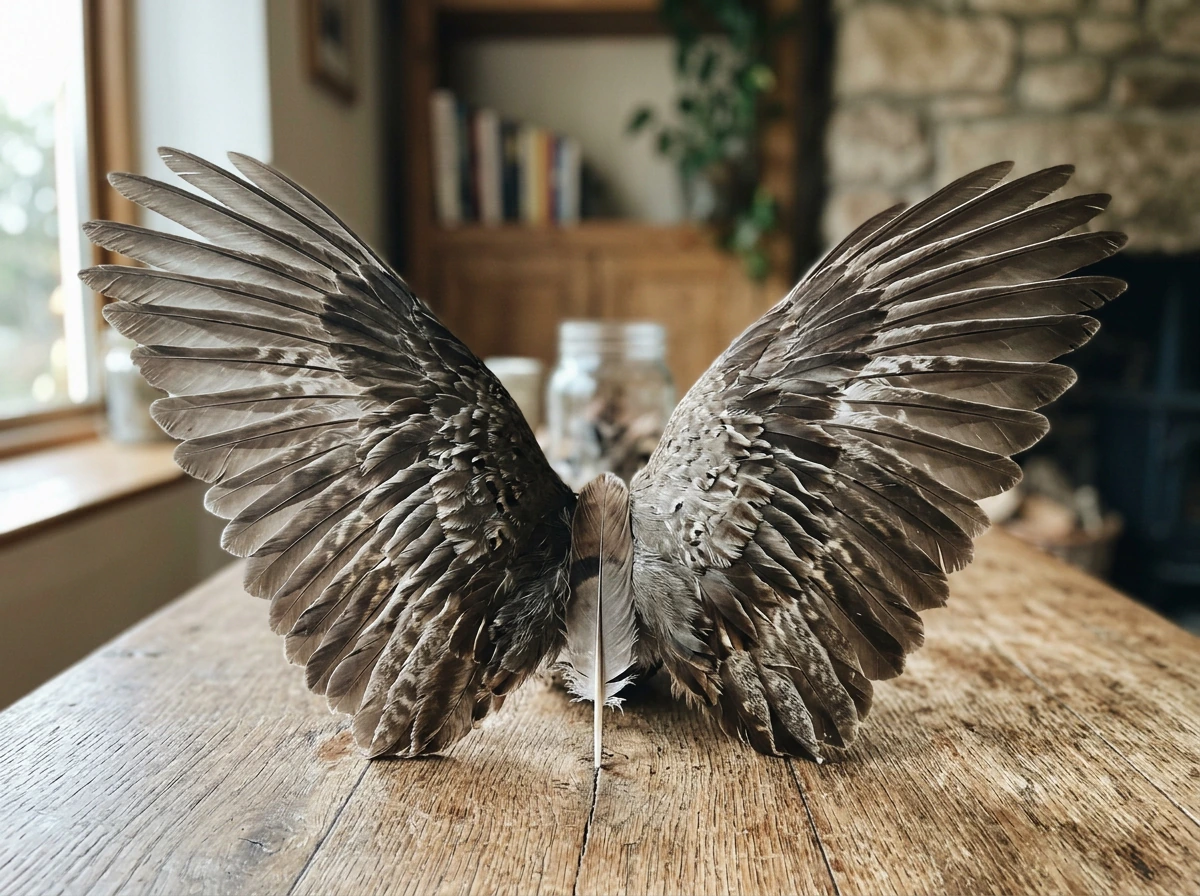
As an idiom, "two wings of the same bird" is a way of saying that "two wings of the same bird" is a way of saying that two entities, sides, factions, or concepts that seem distinct are fundamentally one.. They come from the same place. They depend on each other to function. Tear one wing off and the bird cannot fly, regardless of how different the left wing looks from the right. The phrase emphasizes shared origin and mutual dependency over surface difference.
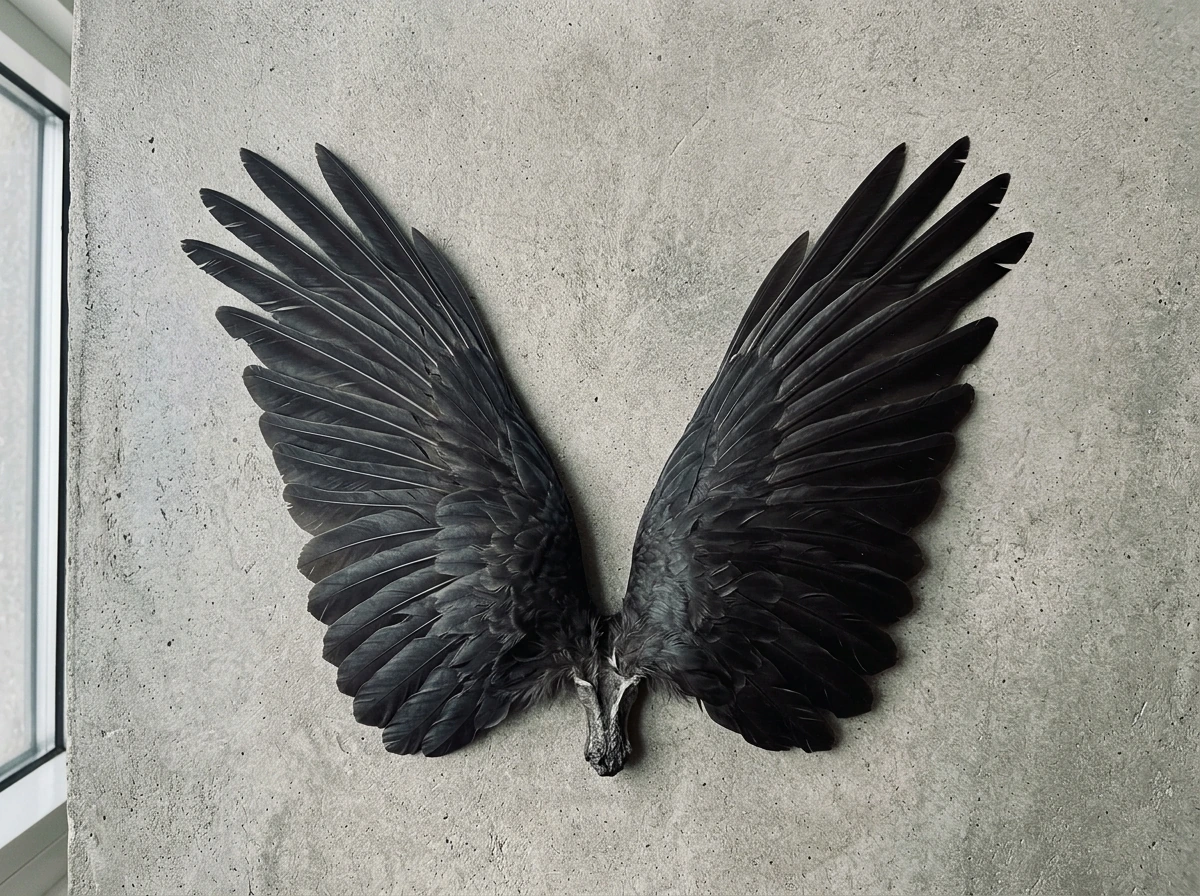
The most widely recognized political use of this image argues that the Democratic Party (left wing) and the Republican Party (right wing) are two wings of the same bird of prey, meaning both serve the same ruling interests despite appearing to be opponents. That framing, associated with socialist writers including Morris Hillquit and Norman Thomas around 1928, made the phrase famous in American political discourse. Barry Popik traces the political attribution history for this “two wings of the same bird of prey” framing, including claims that Charles Edward Merriam Jr. was credited by at least 1932 and that Morris Hillquit and Norman Thomas used the phrase in Sept to Oct 1928 blank" rel="noopener noreferrer">Morris Hillquit and Norman Thomas around 1928. But the image predates and outlasts that one application. It appears in spiritual writing, poetry, philosophy, and everyday conversation wherever someone wants to say: "These two things are more alike than they look."
What the bird symbolism brings to the table
Birds carry enormous symbolic weight across cultures, so the choice of a bird rather than, say, "two sides of the same coin" or "two hands of the same body" is not random. Birds represent freedom, transcendence, spirit, and the capacity to rise above earthly divisions. When a writer picks a bird as the unifying symbol, they are usually reaching for something elevated, something that suggests the connection between the two wings is not just practical but almost natural or even sacred.
The specific anatomy matters too. Wings are the part of the bird most associated with movement, flight, and purpose. They are not decorative. If you swap out "two wings" for "two feathers" the phrase loses urgency entirely. Wings are structural. They do the work. Saying two opposing things are wings of the same bird implies that both are load-bearing, both essential, and both aimed at the same destination, even when they seem to pull in different directions.
Compare this to the related idea that you might explore in an article on "left wing and right wing same bird meaning," where the political valence of the bird image gets its own dedicated treatment. The symbolic architecture is the same, but the application differs. This broader phrase, "two wings of the same bird," is more neutral and emotionally flexible than the predatory bird version. It can express solidarity and unity just as easily as it expresses cynical equivalence.
How people actually use this phrase day-to-day
In everyday writing and conversation, the phrase usually shows up when someone wants to push back against a perceived opposition. The emotional tone is often conciliatory or world-weary, depending on the context. Here are the kinds of moments it appears in:
- Political commentary: arguing that two rival parties, ideologies, or candidates are not as different as their supporters believe
- Relationship or family writing: describing two estranged people (siblings, partners, old friends) as still fundamentally connected despite conflict
- Spiritual or philosophical writing: expressing the idea that the soul and the body, the earthly and the divine, or science and faith are not enemies but complementary aspects of one whole
- Creative nonfiction and essays: drawing attention to how two apparent opposites (tradition and innovation, discipline and freedom) actually need each other to function
- Poetry and song: using the image as a compressed, resonant metaphor for any kind of essential duality
The tone shifts significantly based on that context. In political writing, "two wings of the same bird" is often a critique, a way of saying the choice between two options is illusory. In relationship writing or poetry, the same phrase is more likely to carry warmth, longing, or affirmation. You cannot know which register the writer is in without reading the surrounding lines.
Reading the phrase in a poem: what to look for
Poetry is where this phrase appears most often in a form that genuinely puzzles readers, because poems rarely spell out their meanings the way essays do. If you are trying to interpret "two wings of the same bird" in a poem, the first thing to recognize is that the phrase is almost certainly functioning as a central metaphor rather than a casual comparison. Poets choose images deliberately, and the "wings of the same bird" image is too structurally significant to be decorative.
Thematically, poets reach for this image when writing about: duality that resolves into unity (the classic yin-yang problem), grief and memory (the living and the dead as two wings of the same continuous existence), romantic love and separation (two people who are apart but incomplete without each other), or any moment where the speaker wants to argue that apparent opposites share a deeper nature. The emotional register is almost always one of longing, revelation, or reconciliation.
What the bird specifically adds in a poem is lift. A bird with two wings can go somewhere. That movement, that directionality, means the poem is not just describing a static duality but implying that the two things together are capable of something neither could do alone. If the poem's speaker uses this image, ask yourself: what are the two things being joined here, and where is the poem suggesting they might go, or what might they accomplish together?
How to figure out the meaning in a specific poem, line by line
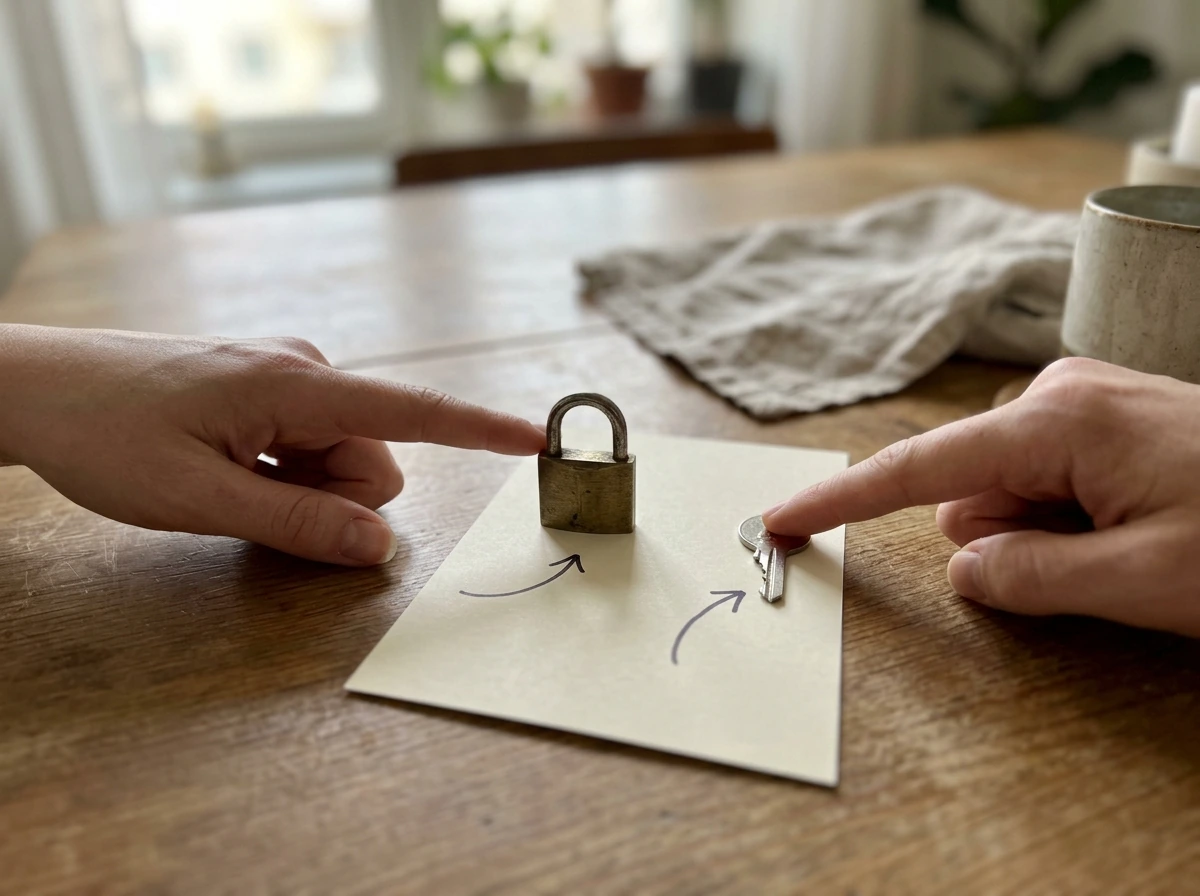
If you are working through a specific poem and hit this phrase, here is a practical approach that will get you to the meaning quickly.
- Identify the two things being compared to wings. The phrase only works if there are two named (or strongly implied) subjects in the poem. Find them first. They might be named directly in the same stanza, or they might be the subjects of the entire poem established in earlier lines.
- Check the tone of those two subjects before the phrase appears. Are they in conflict? Are they separated? Are they described as opposites? The "wings" metaphor is almost always introduced as a resolution or a reframing of something tense or divided.
- Look at the verb near the phrase. Is the bird flying, falling, caged, wounded, or soaring? The condition of the bird tells you how the poet feels about the unity being described. A bird that cannot fly despite having two wings signals a tragic reading. A bird in full flight signals harmony or aspiration.
- Ask what the poem is about at the largest scale. If it is a love poem, the wings almost certainly represent the two lovers. If it is a political poem, they represent two factions. If it is a spiritual poem, they may represent the human and the divine, or life and death.
- Rewrite the line in plain prose. Replace the metaphor with a direct statement. For example, "you and I are two wings of the same bird" becomes "you and I are different expressions of the same essential nature, and we need each other to move forward." If that plain version fits the poem's argument, you have the meaning right.
Do not assume there is one famous poem where this phrase originates and that you just need to find it. The image is circulated widely and appears in many poems across traditions. Your job is always to interpret the phrase inside the poem you are actually holding, not to match it to an external source.
Idiom versus literal bird imagery: how to tell the difference
Occasionally a poem about actual birds will use wing imagery in a way that sounds idiomatic but is not. The test is simple: if the poem is concretely about a specific bird in a specific setting if the poem is concretely about a specific bird in a specific setting (a bird on a wire, a bird in a nest, a wounded bird in a field), and the two wings being described are literally the physical wings of that real bird, then you are reading literal imagery, not the idiom. The idiom requires that the two "wings" are not actual wings but two distinct human, social, political, or emotional realities.
A poem can also move between the two registers, which is what makes bird poetry so interesting. A poem might open with a real bird and then pivot to use its wings as a metaphor for human division. In that case you are reading both, and the literal bird image is doing double duty. The best clue is whether the poem's emotional concern is with the bird itself or with something the bird is helping the speaker understand about people, relationships, or the world.
Common misreadings, and how to fix them
There are a few ways readers consistently get this phrase wrong, and they are worth knowing so you can catch yourself.
| Misreading | Why it happens | The correction |
|---|---|---|
| Taking it to mean the two things are identical | Wings look symmetrical, so readers assume the phrase means the two sides are the same | Wings are mirror images but not identical in function. The phrase means shared source and mutual dependency, not sameness. Left and right wings have different aerodynamic roles. |
| Assuming it is always a political critique | The most famous version of this phrase is political, so people bring that framing everywhere | The phrase is emotionally neutral as a metaphor. In a love poem or a spiritual text it is almost never a critique; it is usually an affirmation. |
| Treating the bird as the main subject | The word "bird" is the noun, so it grabs attention | The bird is the vehicle of the metaphor, not its point. The point is the relationship between the two wings. The bird is just what makes that relationship make sense structurally. |
| Assuming it implies harmony | Wings working together sounds cooperative | Not necessarily. If the bird is a bird of prey, or if the poem describes a bird that is damaged or trapped, the unity being described can be dark or ironic. Context determines whether the unity is presented as good or bad. |
| Thinking there must be a famous source poem to find | Readers search for a single authoritative text | This phrase is used across many traditions and many poems. Interpret it inside the specific text you are reading, not by hunting for a canonical source. |
Quick reference: examples and what they mean
Here are concrete examples of how the phrase shifts depending on context, with plain-English translations alongside each one.
| Example sentence or line | Context | Plain-English meaning |
|---|---|---|
| "Science and faith are two wings of the same bird, both carrying us toward truth." | Essay or speech | Science and faith are not enemies; they are complementary approaches to understanding, and we need both. |
| "The two parties are two wings of the same bird of prey, circling above us all." | Political commentary | Both political parties serve the same powerful interests, regardless of how different they appear; the opposition between them is largely illusory. |
| "In leaving, you became the other wing. I cannot fly without you." | Love poem or elegy | The speaker and the absent person form a unified whole; separation has made movement or progress impossible. |
| "Grief and gratitude are two wings of the same bird, and I have learned to let them both lift me." | Personal essay or memoir | Grief and gratitude are not opposites; they arise from the same source (love), and together they allow the writer to move through loss. |
| "The child and the elder, two wings of the same bird, keep the village aloft." | Cultural or communal writing | Youth and old age, far from being in opposition, are both essential to the community's survival and continuity. |
What to do right now if you are reading a specific poem
If you landed here because you are sitting with a poem in front of you and you need to interpret this phrase in it, here is exactly what to do. First, find the two subjects the phrase applies to, they will almost always appear in the lines immediately before or after the phrase. Write them down. Second, decide whether the poem is presenting their connection as a positive thing (unity, love, balance) or a critical thing (shared corruption, illusory difference, inescapable sameness). The adjectives and verbs around the phrase will tell you. Third, restate the metaphor in one plain sentence using those two subjects. That sentence is your interpretation.
If you are still uncertain, look at the poem's title and its final lines. Titles often name the poem's emotional stakes, and final lines usually confirm or complicate the central metaphor. If both of those point toward unity as a gift, your reading is warm. If both point toward unity as a trap, your reading is critical. The phrase is flexible enough to carry either weight.
For more on how birds function as symbols of connection and difference in language, the ideas here connect naturally to expressions like "bird of a feather" and its lesser-known counterpart "bird of a different feather," which handle similarity and difference in their own distinct ways. The phrase “bird of a feather meaning” is a related idiom that points to why similar people tend to stick together bird of a different feather. The "two wings" image is doing something subtler than those idioms: it is not about resemblance, it is about structural interdependence. That distinction is worth holding onto as you read.
The short version: what this phrase means
"Two wings of the same bird" means that two things which look separate or even opposed are actually parts of the same whole, sharing the same origin and depending on each other to function. Granma, in an article about Lola Rodríguez de Tió, quotes the lines about Cuba and Puerto Rico as “de un pájaro las dos alas,” using the image to present them as “two wings of a single bird.” blank" rel="noopener noreferrer">two things which look separate or even opposed are actually parts of the same whole. The bird cannot fly without both wings, regardless of how different those wings look from each other. In everyday use, the phrase is most often a call to see past surface division to underlying unity, In everyday use, the phrase is most often a call to see past surface division to underlying unity, similar to the anchortext for 2 headed bird meaning. killing one bird with two stones meaning In poetry, it is almost always a central metaphor pointing to the deepest emotional or philosophical concern of the poem, whether that is love, politics, grief, spirituality, or the nature of identity itself. Read the context, find the two subjects, translate the metaphor into plain language, and you will have it. two bird with one stone meaning In poetry, it is almost always a central metaphor pointing to the deepest emotional or philosophical concern of the poem, whether that is love, politics, grief, spirituality, or the nature of identity itself. Read the context, find the two subjects, translate the metaphor into plain language, and you will have it.
FAQ
Does “two wings of the same bird” always mean the two sides are equally bad or corrupt?
Yes. In politics and criticism, the phrase often carries a skeptical tone, implying the “opponents” are interchangeable or serve the same power structure. In relationship poetry or spiritual writing, it more often signals mutual dependence and reconciliation. The tone is usually determined by the verbs and adjectives around the phrase, especially whether the surrounding language suggests hope, resignation, or contempt.
If both wings share the same origin, is the message usually positive unity or can it be negative too?
Not necessarily. The “same origin” idea can support very different conclusions: cooperation and mutual support, or inevitability and entrapment. Look for cues about directionality, outcomes, and stakes. If the poem suggests the joined wings can “go somewhere” or heal, the message trends positive. If it frames the unity as a trap or doom, the message is darker.
How do I tell whether the phrase is about sameness in identity versus just looking similar?
A common slip is treating it as a “they look alike” comparison, like a resemblance idiom. The core is structural interdependence, not superficial similarity. Ask: if one wing is removed, does the whole fail? If the poem emphasizes function and necessity (movement, survival, completion), you are reading it correctly.
What if the poem includes a real bird, can the phrase still be idiomatic?
If a poem is explicitly about a specific bird in a specific place, and the “two wings” refer to the bird’s literal anatomy, then it is likely literal imagery rather than idiomatic meaning. However, poets can still use literal wings as a springboard into metaphor, so check whether the emotional focus stays on the bird itself or pivots to people, systems, or inner states.
In a poem, how do I avoid forcing a “fixed” interpretation of the phrase?
Often the phrase is not meant to be decoded into a single universal “translation,” even if the article gives common interpretations. Your best route is to identify the two entities the poem attaches the wings to, then restate the metaphor using the poem’s own context. If you cannot find the two subjects nearby, reread the lines immediately before and after until the grammatical link becomes clear.
Can the phrase change from political critique to personal or emotional meaning within the same poem?
Yes, context can flip the register. If the poem uses the phrase to accuse a false choice or expose shared interests, it functions like political critique. If it appears in a love, grief, or reconciliation passage, it functions more like emotional continuity or wholeness. Pay attention to whether the speaker addresses an “us,” an “other,” or a distant “they.”
What if the poem has more than two related ideas, but uses “two wings” language?
One edge case is when “two wings” seems like it should map to more than two items (for example, multiple factions or intertwined memories). In that case, the poem may use “two” symbolically to represent a broader dual structure, like before and after, living and dead, or separation and return. Still, you should find the two most central elements the phrase binds together.
Do nearby conjunctions like “and” or “but” affect how I should read the metaphor?
Yes, and it helps prevent overreading. If the poem makes the connection through “and” or parallel phrasing, the “wings” may be the two halves that together create one capacity or truth. If the poem contrasts them with “but,” the phrase may still unify them, but it can imply tension, cost, or the need to accept the shared nature beneath conflict.
Is there a fast way to convert the metaphor into a confident plain-language interpretation?
If you want a quick decision aid: write a one-line paraphrase in the pattern “X and Y are parts of the same whole, because ____.” Use a function word to fill the blank, like “need,” “depend,” “complete,” “originate from,” or “cannot exist apart.” If that fill-in fits the poem’s surrounding actions and consequences, your reading is likely aligned.
Next Article
Bird of a Feather Meaning: Idiom and Common Variations
Learn bird of a feather meaning, common variants, and how to use it in conversation and song contexts.