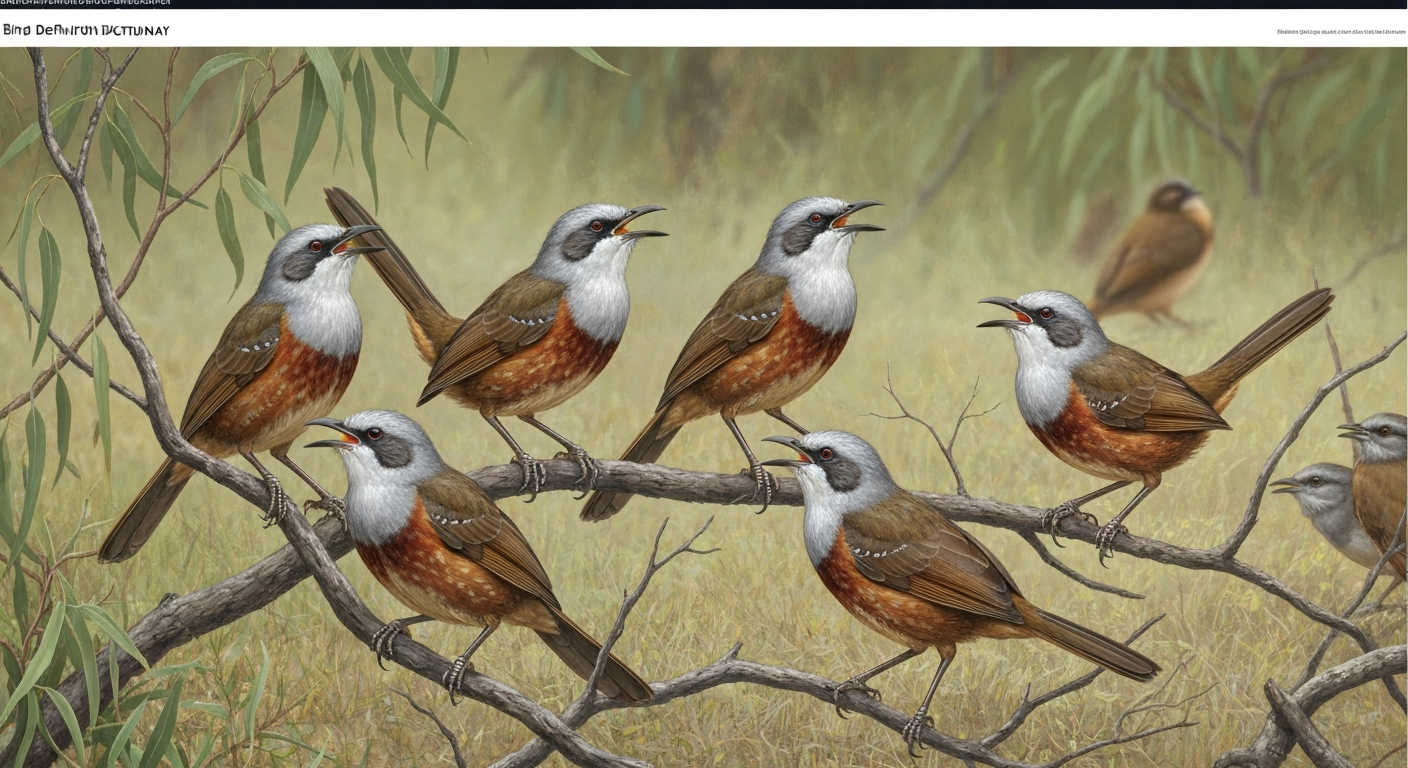
When people search "yahoo bird meaning," they're usually looking for one of three things: a real Australian bird that locals genuinely call the Yahoo, the literary or cultural weight behind the word "yahoo" itself, or a near-miss, a typo or misremembering of a similar birding term. The good news is there's a satisfying answer on all three fronts. The Grey-crowned Babbler (Pomatostomus temporalis) and the White-browed Babbler (Pomatostomus superciliosus) are both called "Yahoo" or "Yahoo bird" in Australia, a nickname rooted in their loud, antiphonal call that sounds unmistakably like "ya-hoo." It's a real colloquial name with over a century of documented use, even if no global taxonomic checklist treats it as an official common name.
Yahoo Bird Meaning: Species, Slang, or Literary Use Guide

Marcus Whitmore
10 Aug 2026
Is there a recognized species called the "Yahoo Bird"?
Strictly speaking, no bird on the global taxonomic record carries "Yahoo" as its formal, standardized common name. Resources like Avibase, HBW/BirdLife, Clements, and eBird list the relevant species under their proper English names: Grey-crowned Babbler and White-browed Babbler. Avibase, Pomatostomus temporalis (Grey‑crowned Babbler) lists Pomatostomus temporalis and related subspecies and local English name variants, and does not treat "Yahoo" as a primary global common name Avibase — Pomatostomus temporalis (Grey‑crowned Babbler). Neither uses "Yahoo" as the primary entry. But that's only half the story, and it would be misleading to stop there.
"Yahoo" has a long, well-documented life as a regional vernacular name in Australia. The Australian Museum's species account for the White-browed Babbler (Pomatostomus superciliosus) explicitly lists "Yahoo" among its local vernacular names, alongside "chatterer" and "cackler." Early 20th-century Australian field guides, including J. A. Leach's public-domain An Australian Bird Book, recorded "Yahoo" in long lists of popular names for grey-crowned babbler forms, meaning this nickname has been in active use for at least a hundred years. Regional councils, biodiversity education booklets, university outreach pages, and contemporary birding communities all call the Grey-crowned Babbler the "Yahoo" or "Yahoo bird" without hesitation. So the name is real, grounded, and historically documented, just not official in the way a global checklist entry would be.
Plausible literal meanings: local names, nicknames, and mishearings
The most straightforward literal meaning of "yahoo bird" points directly to the Australian babblers of the genus Pomatostomus. The Grey-crowned Babbler is the primary candidate. It's a medium-sized, social bird found across eastern and northern Australia, living in noisy family groups that move through open woodland in a rolling, chaotic way that earned it another nickname: "happy family." The reason for the "Yahoo" name is purely acoustic. The birds perform antiphonal duets, pairs or group members calling back and forth, that scholars and field observers consistently transcribe as "yahoo... HBW/BirdLife Notes transcribe the babbler duet as 'yahoo..nyeh..yahoo..nyeh', confirming the auditory basis for the colloquial nickname HBW/BirdLife Notes — Grey‑crowned Babbler vocalizations (transcriptions include 'yahoo..nyeh..yahoo..nyeh'). nyeh...yahoo...nyeh." That two-syllable "ya-hoo" is simply what the bird sounds like when you're standing in the bush, and Australian observers named it accordingly.
The White-browed Babbler shares the informal title in some regions, which makes sense: it's a closely related species in the same genus, occupies similar habitats across southern and inland Australia, and produces its own loud, chattering calls. The Australian Museum's documentation of "Yahoo" as a vernacular name for this species confirms the nickname spans at least two species in the babbler group rather than being pinned to one bird alone.
It's also worth noting the mishearing angle. If someone heard an enthusiastic Australian birder say "it's a yahoo" and didn't know the context, they could easily file it away as generic excitement, which leads naturally to the next section.
Why people actually search "yahoo bird", typos, near-matches, and search drift
Several overlapping search patterns funnel people toward "yahoo bird meaning," and not all of them start with the Australian babbler in mind.
- Heard the name in Australia and want to confirm what bird it refers to — the most direct path to this article.
- Saw a video of a noisy Australian bird labeled "yahoo bird" on social media or YouTube and want an identification.
- Mistyped or misremembered "jaybird" — a very common bird-language term in English, especially in American idioms like "naked as a jaybird."
- Looking for the LBJ (little brown job), a birder's shorthand for any unidentified small brown bird, and arrived here via imprecise searching.
- Searching for "jury bird" — a much rarer term used in some regional British dialects — and landed here instead.
- Curious about what "yahoo" means as a word after encountering it in a literary or internet context, and stumbled onto the bird connection.
- Simply typed "yahoo" into a search engine and added "bird" instinctively, expecting a direct species result.
The common thread is ambiguity. "Yahoo" is a word that exists in at least three distinct registers, literary insult, cheerful exclamation, and Australian bird nickname, and people arrive at a search query with different starting points. This article aims to cover all of them.
The cultural weight of "yahoo": Swift, slang, and the internet
The word "yahoo" has a surprisingly rich cultural history that makes it worth understanding on its own terms, not just as a bird call. Jonathan Swift invented it in Gulliver's Travels (1726), using it as the name for a race of brutish, filthy humanoid creatures who represent the worst of human nature. Gulliver encounters the Yahoos in contrast to the rational, horse-like Houyhnhnms, and the word was Swift's pointed commentary on human degradation and irrationality. That coinage stuck. Etymological references including Merriam-Webster and the Online Etymology Dictionary trace modern English senses of "yahoo", meaning a crude, loutish, or ignorant person, directly back to Swift's invented race.
The exclamation "yahoo!" (a shout of joy or triumph) comes from a separate but related thread. The raw, loud sound of it carries the same connotation of barely contained wildness, think of a rodeo cowboy whooping, and that boisterous quality probably owes something to the Swift association, even if modern speakers don't know it. In everyday use, "yahoo" as an exclamation is entirely positive, conveying excitement and enthusiasm.
Then there's Yahoo the technology company, founded in 1994, whose name was chosen partly as a self-deprecating joke and partly for the exclamatory energy it carries. The brand has become so ubiquitous that many people's first association with "yahoo" is the search engine rather than Swift's savage creature or the Australian bird, which explains why some visitors to this site arrive via "yahoo bird" while actually thinking about internet culture.
In Australian birding circles, the exclamatory use of "yahoo" and the bird's call have occasionally collided humorously. Birders who hear a Grey-crowned Babbler for the first time sometimes think another birder is simply yelling in excitement. The bird earns its name every time.
What "yahoo bird" might symbolize in speech and literature
If someone uses "yahoo bird" in a figurative or literary context, the symbolism usually draws on one of two wells: the bird's own behavioral character, or the Swiftian heritage of the word.
The Grey-crowned Babbler is a social, vocal, somewhat chaotic bird. It lives in noisy cooperative groups, moves through the landscape in a tumbling, raucous procession, and never seems to stop calling. As a symbol, a "yahoo bird" could represent joyful disorder, communal energy, or uninhibited self-expression, someone who announces their presence loudly and doesn't apologize for it. In Australian writing and nature journalism, the Yahoo bird is often framed affectionately as the life of the party, the bird that makes a bush walk feel alive.
Through the Swiftian lens, "yahoo bird" could carry an ironic or satirical charge: a creature that makes a lot of noise, seems disorganized, and is easy to underestimate. Swift's Yahoos were grotesque precisely because they mimicked human behavior without human reason, so applying that frame to a bird would suggest something loud, communal, and a little undignified, though not necessarily unlikable. In speech or creative writing, calling someone's chatter "yahoo bird talk" would be a gentle dig at noisiness rather than a serious insult.
As with many bird-related expressions in English, the symbolic reading depends heavily on who is using the term and for what purpose. The Australian bushwalker using "yahoo bird" means something warm and specific; the literary scholar invoking Swift means something sharper.
How "yahoo bird" gets used in practice
Real-world usage of "yahoo bird" clusters in a few predictable contexts. Here are examples that reflect how the term actually appears in conversation, online, and in print.
- "I heard a yahoo bird in the back paddock this morning — whole mob of them moving through the gums." (Australian farmer or birder, referring to Grey-crowned Babblers in woodland habitat.)
- "That's a yahoo bird! It's actually a grey-crowned babbler." (Online comment identifying a shared bird video, illustrating how the colloquial name serves as a casual identification label.)
- "The bush was full of yahoo birds, those grey-crowned babblers that keep calling ya-hoo back and forth." (Nature writing or field journal entry connecting the name to the vocalization.)
- "He carried on like a yahoo bird at a bush dance — loud, cheerful, and completely impossible to ignore." (Figurative use in Australian informal speech, using the bird's character as a human descriptor.)
- "The council pamphlet called them 'Yahoo birds' and explained they were babblers named for their call." (Reference to educational or outreach material using the colloquial name for general audiences.)
What these examples share is that the term is almost always used affectionately or neutrally rather than negatively. The bird's noisiness is presented as a feature, not a flaw, and the name itself tends to make people smile.
How to verify a reported "yahoo bird": practical steps for identification
If someone tells you they saw or heard a "yahoo bird," or if you're trying to confirm whether the term applies to a specific bird you've observed, here's a practical workflow for doing that responsibly.
- Start with the call. The defining feature is the antiphonal "ya-hoo" duet. Search for recordings of Pomatostomus temporalis (Grey-crowned Babbler) on Xeno-canto or the Macaulay Library at Cornell Lab of Ornithology. The call is unmistakable once you've heard it — a rolling two-note exchange between group members.
- Cross-reference on iNaturalist. Search for Pomatostomus temporalis or Pomatostomus superciliosus on iNaturalist to see verified photo observations with location data. This confirms the species' range in eastern, northern, and southern Australia.
- Check regional common name lists. Avibase allows you to view a species' English name variants. For Pomatostomus temporalis, you can confirm it's listed under Grey-crowned Babbler globally, even if regional Australian sources supply the Yahoo nickname.
- Consult Australian field guides. A reliable print or digital field guide such as the Pizzey and Knight Field Guide to the Birds of Australia or the CSIRO's resources will describe Pomatostomus species under their standard names and often include informal names in the species text.
- Use the Australian Museum's species accounts. The Australian Museum website includes vernacular/local name lists for Australian birds, and it explicitly lists "Yahoo" for the White-browed Babbler. This is a citable, authoritative source for the colloquial name.
- Photograph the bird if possible. Grey-crowned Babblers are medium-sized, with a grey crown, white eyebrow stripe, dark brown back, and rich chestnut underparts. White-browed Babblers are smaller with a prominent white eyebrow and mottled brown plumage. Photos uploaded to iNaturalist will receive community identification.
- Check local government or conservation documents. Regional council pamphlets and biodiversity booklets (some freely available as PDFs) often use the Yahoo name and provide habitat context that helps confirm you're looking at the right bird in the right place.
The key thing to remember is that "Yahoo" is a regional, colloquial name, reliable and historically grounded, but not something you'll find by typing it into a global bird database. You need to arrive at the species via its formal name and then confirm the nickname through Australian sources.
Sibling terms: jaybird, jury bird, LBJ, and lek, how they compare
A number of related terms on this site get tangled up with "yahoo bird" searches, either because of spelling similarity, shared search intent, or the general category of "unusual bird words I need explained. If you're actually after jury bird meaning, see the jury bird entry for a concise definition and examples of how that term is used. " Here's a clear comparison of how each one works and where it differs from the Yahoo bird.
| Term | What it refers to | Type of term | Connection to "yahoo bird" |
|---|---|---|---|
| Yahoo bird | Grey-crowned Babbler or White-browed Babbler (Australia) | Regional vernacular / colloquial species name | The core term — based on a real bird's call |
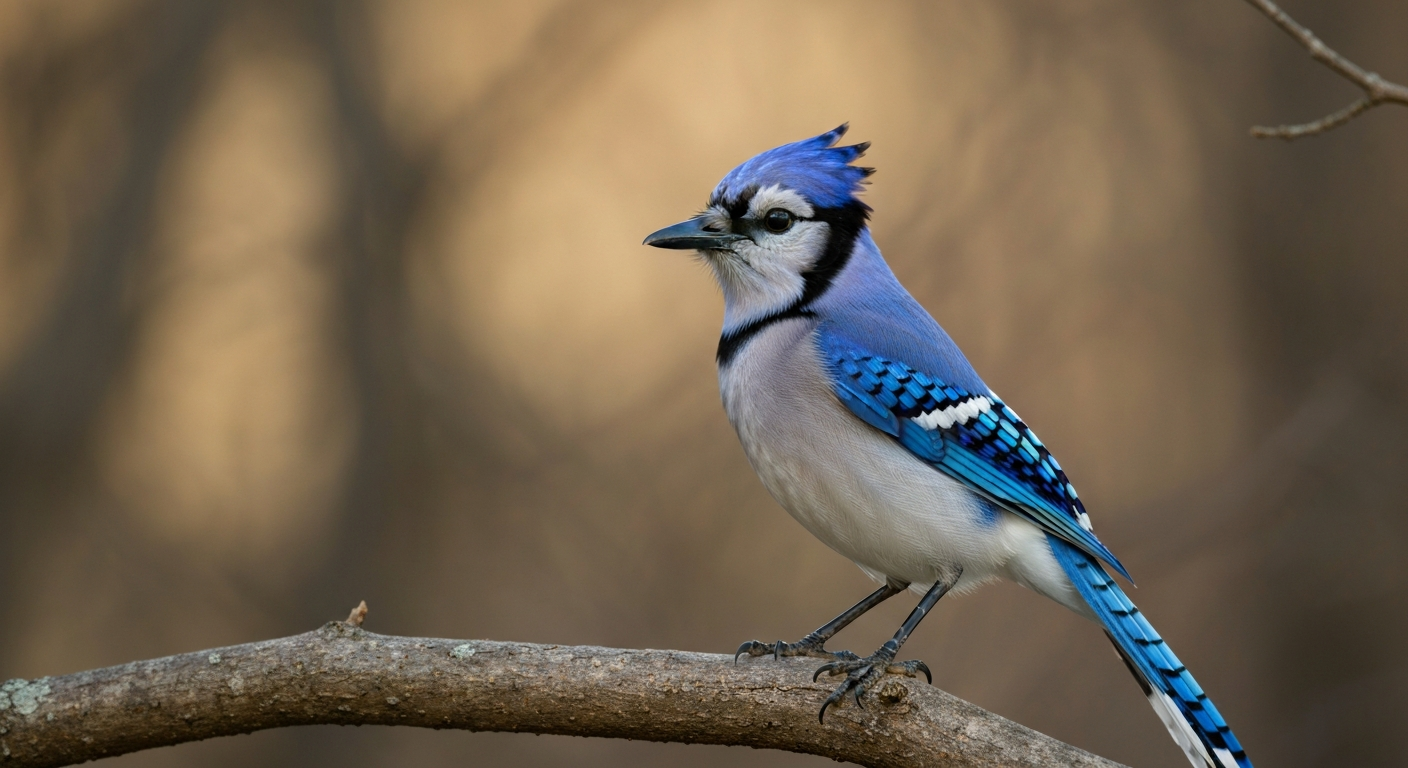
| Jaybird | The Blue Jay (Corvus cristata) or jays generally; also appears in English idioms like "naked as a jaybird" | Common species name and idiomatic expression | Often mistyped or confused with yahoo bird; similar search intent (bird word + meaning) |
| Jury bird | A rare regional British dialect term; also appears as a misreading of "jay bird" | Dialectal / archaic term | Shares the "unusual bird name" search pattern; little documented usage |
| LBJ (Little Brown Job) | Birder's slang for any small, unidentified brown bird — not a specific species | Birding jargon / humorous abbreviation | Shares the "what does this bird term mean" search intent; useful for beginners confused by informal birding shorthand |
| Lek | A communal display ground where male birds (e.g., grouse, manakins) gather to compete for mates | Technical ornithological term | No direct connection to yahoo bird, but people searching unusual bird terms often encounter both |
The jaybird is worth singling out as the most common search-confusion partner for "yahoo bird." Both are informal, colloquial bird names with a long history of casual use, and both generate "what does this mean?" searches. But jaybird is primarily an American English term deeply embedded in idiom, while yahoo bird is specifically Australian and tied to a real vocalization. If you arrived here looking for the jaybird, that entry covers the idioms and symbolism in detail. See the jaybird bird meaning entry for a full explanation of its idioms, symbolism, and usage.
The LBJ (little brown job) is another frequent companion search. It's not a species at all, it's a term of mild frustration used by birders who can't identify a small brown bird in the field. The humor and honesty of it have made it a beloved piece of birding jargon. It belongs in a completely different category from "yahoo bird" (one is a named species, one is an unidentified mystery), but both fall into the zone of "bird words that aren't in standard field guides" that this site is built to explain.
The lek is the most technical of the group, a term from behavioral ecology describing a communal mating arena used by certain species. It's worth knowing if you're exploring bird behavior or courtship displays, but it doesn't overlap with the yahoo bird except in the broad category of interesting ornithological vocabulary.
The bottom line on yahoo bird
"Yahoo bird" is a real name, in the sense that matters most: it's what Australians have called a real, identifiable bird for over a hundred years. The Grey-crowned Babbler earned it fair and square by shouting "ya-hoo" across the bush in noisy antiphonal duets. The White-browed Babbler shares the honor in some regions. Neither bird makes it onto global taxonomic checklists under that name, but you'll find it in Australian Museum accounts, council pamphlets, university outreach pages, birding forums, and a century of field guides. That's not a mistake or a mishearing, that's a vernacular name doing exactly what vernacular names are supposed to do: describing a bird in terms that stick.
The broader cultural echo of "yahoo", from Swift's grotesque humanoids to the rodeo shout to a 1990s internet brand, adds texture to the name without replacing its bird-specific meaning. If someone in Australia calls out "yahoo bird," they mean a specific, social, delightfully noisy creature moving through the gum trees. That's a satisfying answer, and the bird more than lives up to its name.
FAQ
What do people mean when they search “yahoo bird meaning” — is it a real species name?
Short answer: No globally recognized scientific or standardized English species name uses the token “Yahoo.” Major taxonomic checklists (Avibase, HBW/BirdLife, Clements/eBird) do not list any formal taxon named “Yahoo.” The most common factual explanation is that “Yahoo” is a colloquial/vernacular nickname used in Australia for certain pomatostomine babblers (e.g., Grey‑crowned Babbler, Pomatostomus temporalis) because their antiphonal calls are often transcribed as “ya‑hoo.”
Could “Yahoo bird” be a local or colloquial name for an actual bird?
Yes. In Australia, regional field guides, natural‑history accounts and outreach pages sometimes call Grey‑crowned and White‑browed babblers “Yahoo” or “Yahoo‑bird” based on their characteristic duet vocalizations. This is an informal vernacular name, used in public outreach and historic field guides, but not the standardized global common name in taxonomic checklists.
Is “Yahoo bird” a literary or idiomatic reference?
Sometimes. The word “yahoo” originates with Jonathan Swift’s Gulliver’s Travels (1726) where Yahoos are brutish humanoids; that literary sense gave rise to the insult/exclamation “yahoo.” Searches for “yahoo bird” may reflect confusion between the literary term and the colloquial bird nickname, or people seeing “yahoo” used figuratively in culture and wondering about an avian reference.
What are the main cultural and figurative uses of the word “yahoo” that could confuse searchers?
Key uses: (1) Swift’s Yahoos (Gulliver’s Travels) — origin of the term as a creature name; (2) the slang/exclamation “yahoo” meaning a boorish or exuberant person; (3) brand/name uses (notably the web company “Yahoo!”). These cultural meanings are separate from the informal bird nickname but can create search ambiguity.
Why do some sources call a babbler a “Yahoo”?
Because the babblers’ cooperative antiphonal calls are often phonetically transcribed as “ya‑hoo…ya‑hoo…,” which led people (especially in Australian regional contexts) to adopt “Yahoo” or “Yahoo‑bird” as a vernacular nickname. Ornithological accounts and species handbooks transcribe these vocalizations, which is the primary evidence for the nickname.
Can “Yahoo bird” be a misheard or mistyped term for another bird name?
Yes. Common confusions include mishearing or mistyping similar-sounding names like “jaybird,” “jabiru,” or abbreviations like “LBJ” (little brown job). Also, searchers may conflate “yahoo” with local onomatopoeic names for other species. Checking context (picture, range, call recording) helps resolve mishearings.
Next Article
Jaybird Bird Meaning: Definition, History, Symbolism
Jaybird meaning: definition, natural history, etymology, idioms, symbolism & clear usage tips.