"Honey bird" most likely refers to one of two very different things depending on where you saw it: a real bird (either a honeyguide or a nectar-feeding bird like a honeyeater) or a term of endearment, a nickname, or a symbolic metaphor built around sweetness and allure. Merriam-Webster first recorded the term in 1735 and gives it two literal definitions: honeyguide and honeyeater. But in poetry, folklore, slang, and everyday conversation, "honey bird" does a lot more than name a species. Here is how to tell which meaning someone intended.
Honey Bird Meaning: Symbolism, Species Links, and How to Tell

Marcus Whitmore
24 May 2026
Literal vs. figurative: the fast clarification
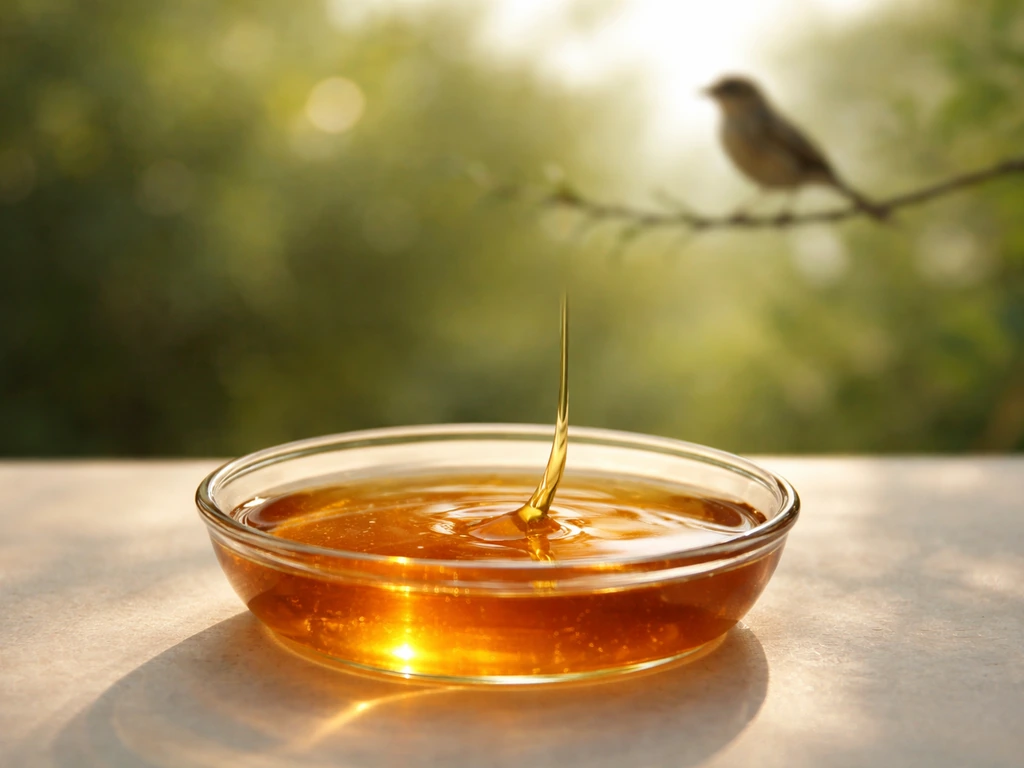
The easiest split to make is this: if someone uses "honey bird" in a nature, wildlife, or travel context, they almost certainly mean a real bird. If they use it in a message, poem, song lyric, or romantic context, they are almost certainly reaching for the figurative sense, which is all about sweetness, closeness, or being drawn to something irresistible. The word "honey" has carried the weight of endearment in English since at least Chaucer's time, so stacking it onto "bird" (itself a long-running affectionate term in British English) doubles down on that warmth. Neither usage is wrong or unusual. They just come from completely different directions.
What "honeybird" actually refers to in bird naming
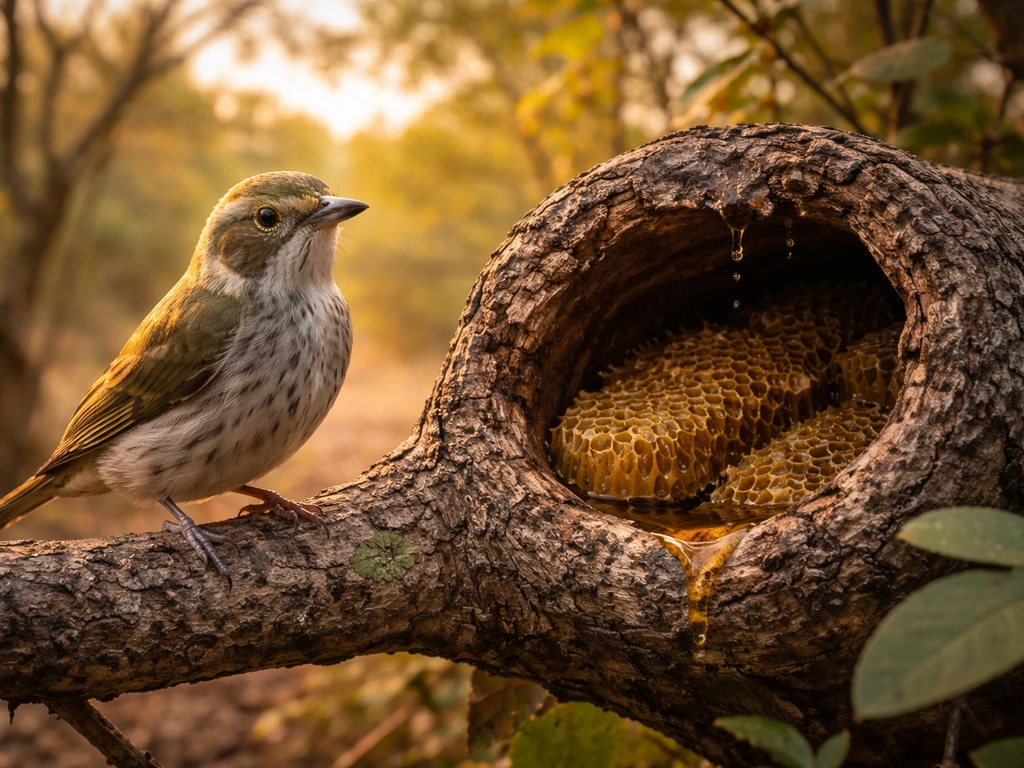
In strict ornithological terms, "honeybird" is most closely associated with the genus Prodotiscus, a group of small African birds in the honeyguide family (Indicatoridae) that are confined to sub-Saharan Africa. You will see species like the blank" rel="noopener noreferrer">Brown-backed honeybird (Prodotiscus regulus, also called Wahlberg's honeybird) and the Green-backed honeybird listed under this common-name grouping. Cassin's honeybird is another named species in the same genus. So if you add a qualifier in front ("brown-backed honeybird," "green-backed honeybird"), you are almost certainly looking at a real Prodotiscus species.
But "honeybird" without a qualifier gets slippery fast. Merriam-Webster accepts it as a synonym for honeyguide in general (the broader Indicatoridae family) and also for honeyeater, which is a completely different family (Meliphagidae) found mostly in Australasia. Older sources like the Century Dictionary define it even more loosely as any bird that feeds on flower nectar, including sunbirds (Nectariniidae). In practice, people sometimes use "honeybird" as a casual nickname for hummingbirds too, even though hummingbirds are not in any of those families. Real confusion shows up regularly online, where someone posts a photo of a nectar-feeding bird and labels it "honeybird" without meaning any specific species.
| Common Name Used | Likely Actual Group | Region |
|---|---|---|
| Honeybird (with qualifier) | Prodotiscus species (honeyguide family) | Sub-Saharan Africa |
| Honeybird / honey guide | Indicatoridae family broadly | Africa |
| Honey bird / honeyeater | Meliphagidae family | Australasia |
| Honey bird / sunbird | Nectariniidae family | Africa, Asia |
| Honey bird (casual use) | Hummingbird or any nectar feeder | Varies widely |
The honeyguide connection is particularly interesting because these birds are genuinely famous for a remarkable behavior: leading humans and honey badgers (ratels) to bee nests with calls and attention-getting displays, then feeding on the honeycomb grubs once the nest is opened. The 1911 Encyclopaedia Britannica traced the English name directly to this guiding habit. That behavior makes honeyguides one of the few wild birds with a documented cooperative relationship with humans, which is probably why the name stuck and spread into figurative language so effectively.
The symbolic and figurative meaning of "honey bird"
When "honey bird" shows up in poetry, folk stories, or as a nickname, it is drawing on a cluster of associated ideas rather than pointing at a species. The core symbolic qualities people connect to a honey bird are sweetness, irresistible attraction, guidance toward something good, rarity, and nurturing warmth. Think about what honey itself represents: something precious, natural, and hard-won. Stack that onto a bird, which in most storytelling traditions represents freedom, spirit, or a messenger quality, and you get a metaphor for someone or something that draws you in, leads you somewhere worthwhile, and rewards the journey.
The guiding dimension is the most culturally layered part. African folklore around honeyguides includes reward-and-punishment narratives: follow the bird faithfully and you reach the honey; ignore it or cheat it and something goes wrong. Wikipedia’s account of the greater honeyguide notes African folklore elements in which honeyguides “guide” people in connection with reward-and-punishment style narratives blank" rel="noopener noreferrer">African folklore around honeyguides includes reward-and-punishment narratives. AfricanPoems.net includes a poem called "The Honeybird" that frames the bird's role exactly this way, with a hunter led to a hive and the bird claiming its share of the grubs. This is where the “the bird and the worm” used meaning idea fits, because it points to guidance, pursuit, and what is ultimately rewarded the bird and the worm used meaning. That folk framing turns the honey bird into a symbol of trustworthy guidance and mutual benefit, not just sweetness.
In older English literary usage, "honey bird" carried endearment meanings directly. Wiktionary traces the Middle English form "hony brid" and notes it was also used as an epithet for Christ in certain religious texts, reflecting the medieval association of honey with divine sweetness. The same source notes that "honey" plus "bird" in older usage simply meant a beloved person, which is exactly how Chaucer used terms in the same semantic neighborhood. So the figurative meaning is not new or informal. It is genuinely old.
In modern casual use, "honey bird" appears as a partner nickname alongside terms like sweetheart, darling, and babe. If you are wondering what a similar term of endearment means in romance, see what does bird and bees mean in a relationship for a related way people interpret affectionate language. It shows up in Reddit threads about pet names for partners and as an affectionate nickname for chickens and other animals people are fond of. That is the contemporary version of the same tradition: something sweet, beloved, and a little whimsical.
How to figure out which meaning was intended

Context does almost all the work here. Run through these clues quickly and you will usually have your answer in seconds.
- Nature, travel, birdwatching, or Africa context: almost certainly a literal honeyguide or Prodotiscus species. Look for a qualifier like color or region to narrow the species.
- Australasia or garden wildlife context: probably a honeyeater (Meliphagidae). The term is used loosely in that region.
- A poem, song lyric, or folklore reference: lean toward the symbolic reading of sweetness, guidance, and allure. Look at what the bird is doing in the text. Is it leading someone somewhere? That is the honeyguide metaphor.
- A message from a partner, friend, or family member: almost certainly a term of endearment. No bird knowledge needed.
- A social media post with a photo: check the photo. If the bird is small, drab, and African, think Prodotiscus. If it is colorful and in a flower garden anywhere in the world, someone is probably using "honey bird" loosely for a nectar feeder.
- Religious or medieval literary text: the older epithet sense is in play. This is rare outside specialist reading.
The single most useful question to ask is: does this sentence require a specific bird, or does it only need a quality? If it needs a quality (sweetness, guidance, affection), the figurative reading applies. This is also why people ask about shagging me bird meaning when they are trying to interpret a romantic or message context honey bird. If it needs an actual species, start with honeyguide and look for additional qualifiers.
Common mix-ups worth knowing about
The biggest source of confusion is treating "honeybird" and "hummingbird" as interchangeable. They are not the same thing. Hummingbirds are New World birds (the Americas), while honeyguides are African and Asian. Honeyeaters are Australasian. None of these groups overlap geographically, so if you know the region, you can eliminate most of the confusion immediately. The mix-up happens because all three groups visit flowers and get loosely called "honey birds" in casual conversation.
A second common mix-up is confusing honeyguides (Indicatoridae) with sunbirds (Nectariniidae). Sunbirds are the African equivalent of hummingbirds in terms of ecological role, small and colorful and nectar-feeding. They fit the "honey bird" description intuitively but are a separate family entirely. If someone in Africa posts a photo of a bright iridescent small bird and calls it a honey bird, they may well mean a sunbird.
A third mix-up is assuming the figurative meaning is slang or informal when it is actually a very old literary and devotional usage. People sometimes dismiss "honey bird" as a made-up nickname when it has genuine historical roots going back to Middle English. That does not change how you interpret a modern text, but it is worth knowing the phrase has real depth.
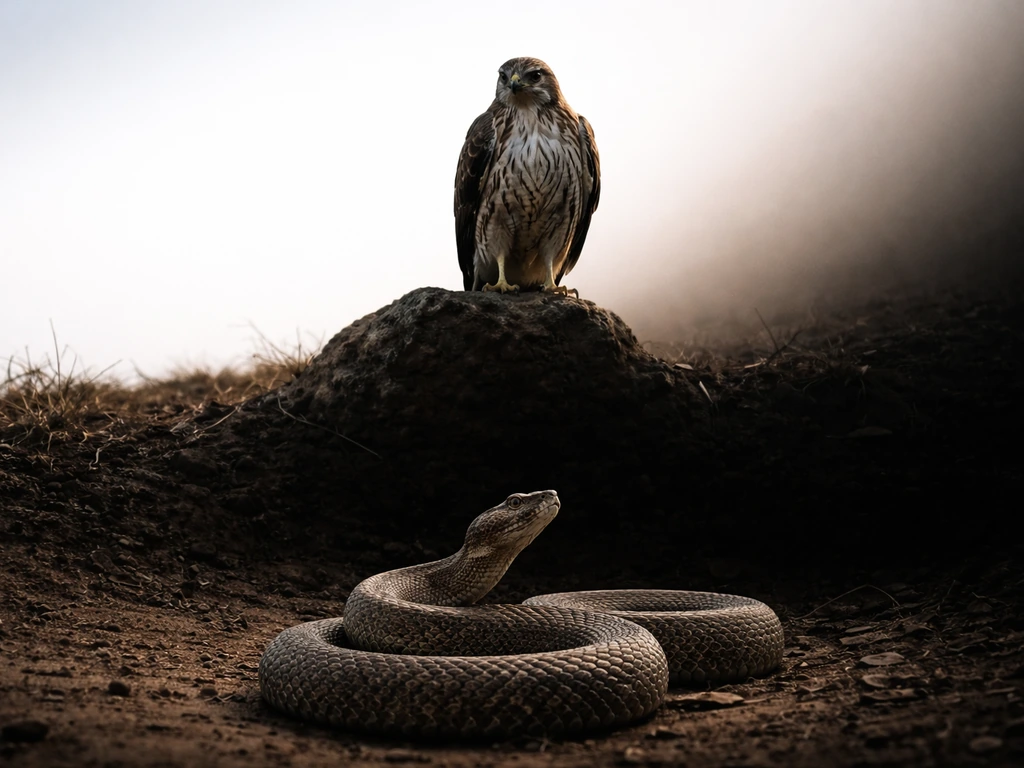
It is also worth noting that bird-related phrases in general carry layered meanings across cultures and contexts. The way "honey bird" shifts between species name, folk symbol, and term of endearment is not unusual in bird language. Similar layering happens with snake-and-bird imagery in folklore, or in the way bird-related relationship phrases get used in ways that have little to do with actual ornithology.
Quick takeaways and what to look up next
Here is the short version: "honey bird" in a wildlife or Africa context means a honeyguide, most specifically a Prodotiscus species if a color qualifier is present. In a figurative, poetic, or personal context, it means sweetness, guidance toward something good, or a beloved person. The term has been doing both jobs since at least 1735 in print and probably longer in spoken use.
- If you need the species: search the qualifier + "honeybird" (e.g., "brown-backed honeybird") or go straight to the Indicatoridae family page and look for Prodotiscus.
- If the context is Australasia: look up honeyeater (Meliphagidae) instead.
- If the context is Africa and the bird is small and colorful: consider sunbird (Nectariniidae) as a likely candidate.
- If it is a nickname or metaphor: no further lookup needed. It means sweetheart, beloved, or someone who draws you in like honey.
- If it is in a poem or folk story involving guidance to a reward: read it through the honeyguide folk tradition, where following the bird faithfully matters and the reward is mutual.
The phrase is genuinely versatile, which is exactly why it keeps showing up in such different places. Once you know the two lanes it travels in, literal bird naming and figurative warmth, you will be able to place any "honey bird" reference you come across pretty quickly.
FAQ
How should I interpret “honeybird” when it is written as one word and no region is mentioned?
Yes. If the phrase appears as “honeybird” (one word) or is used as a binomial-like label without a location, treat it as ambiguous and use other clues like region, color pattern, and whether the post is about Africa or Australasia. If the author is clearly photographing flowers or nectar feeders, the chances rise that they are using a casual label rather than a precise species name.
What location clue best distinguishes honeyguide, honeyeater, and figurative endearment?
Ask a simple follow-up: “What country or region are you in?” The honeyguide line is mainly Africa and parts of Asia, while honeyeaters are mostly Australasia. If someone describes the bird as “from Australia” or “Pacific islands,” it strongly points toward honeyeater usage rather than honeyguide.
In romantic messages, how can I tell whether “honey bird” is an endearment or a guidance metaphor?
When it is used in a relationship text, look for role cues. If it is paired with intimacy words (kiss, cuddle, miss you, my love), it is almost certainly an endearment. If it is paired with “follow,” “guide,” “lead me,” or a “path/reward” storyline, the writer may be echoing the guiding symbolism rather than using it purely as a nickname.
Can I identify honeyguides by behavior just from a photo or short clip where “honey bird” is mentioned?
In wildlife ID, don’t rely on behavior alone. Honeyguides are known for leading humans or honey badgers to nests, but most everyday camera encounters will not include that behavior. Instead, focus on whether the bird has a distinctive honeyguide look for your region, then check whether the speaker is actually using “honey bird” as a generic “nectar-feeder” label.
Does the spelling difference between “honey bird” and “honeybird” change the meaning?
If the wording is “honey bird” versus “honeybird,” do not assume a difference automatically. The article meaning depends more on context than spacing, but qualifiers matter most: “brown-backed honeybird” or “green-backed honeybird” almost certainly indicates the Prodotiscus genus route. Without qualifiers, the term may be loose and refer to any nectar-feeding bird.
Could “honey bird” mean a pet nickname, and how is that different from a species reference?
Yes, especially with animals kept as pets. “Honey bird” can be used affectionately for chickens or small pets, similar to “sweetie” or “darling,” even though it does not map to a species. If the message is directed at an animal by name, treat it as a nickname and not an ornithology term.
What is the most common identification error people make with “honey bird” and nectar-feeding birds?
The biggest mistake is treating “honeybird” as interchangeable with “hummingbird.” If the source says “Americas,” “hummingbird,” or shows a bird with hummingbird-style hover feeding, it is not honeyguide or honeyeater. Conversely, if the bird is described as iridescent small nectar feeder in Africa, it may be closer to sunbird usage than honeybird usage.
What quick decision steps should I use when interpreting “honey bird” in an unfamiliar text?
If you want a robust interpretation, build a quick decision chain: (1) Is it in a wildlife or travel post with a location? If yes, go literal. (2) Is it in a message, poem, or caption to a person? If yes, go figurative. (3) Are there specific qualifiers (brown-backed, green-backed) or a species-like label? If yes, go ornithology-species lane.
How can I tell if “honey bird” in older writing is symbolic endearment versus everyday pet-name slang?
In older devotional or literary contexts, the phrase can function as religious or medieval endearment language, not just casual romance. If you see the term near religious references or medieval-style epithets, treat the figurative meaning as intentionally warm or sacred rather than modern slang.
Next Article
Snake and Bird Meaning: Symbols, Myths, and Context
Decode snake and bird meaning in myths, idioms, dreams, and art, including how order changes interpretation.