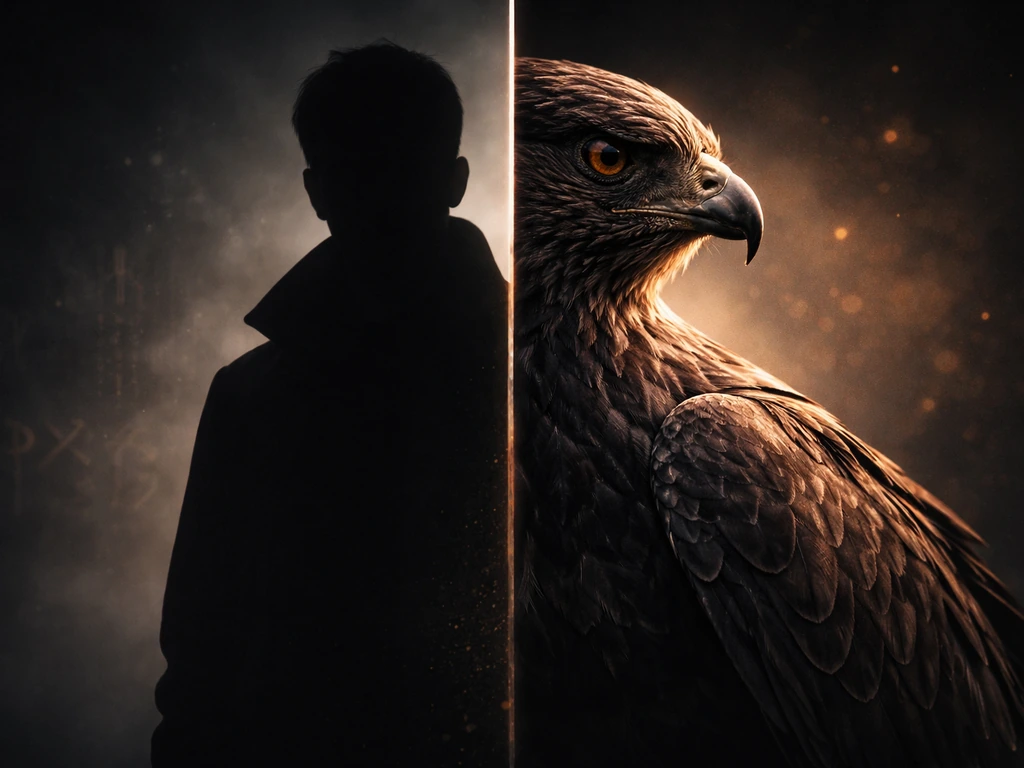
When someone searches 'one bird meaning,' they're almost never asking about a single literal bird sitting on a fence. They're trying to decode something: a dream, a tattoo idea, a line in a story, a caption someone posted, or a vague feeling that seeing a lone bird meant something. The honest answer is that 'one bird' or 'solo bird' carries a cluster of widely recognized symbolic meanings (independence, solitude, freedom, a spiritual messenger, isolation) but the exact meaning in your specific situation depends heavily on context. This guide walks you through how to pin it down fast.
One Bird Meaning: How to Interpret Solo Bird Messages

Marcus Whitmore
3 Jul 2026
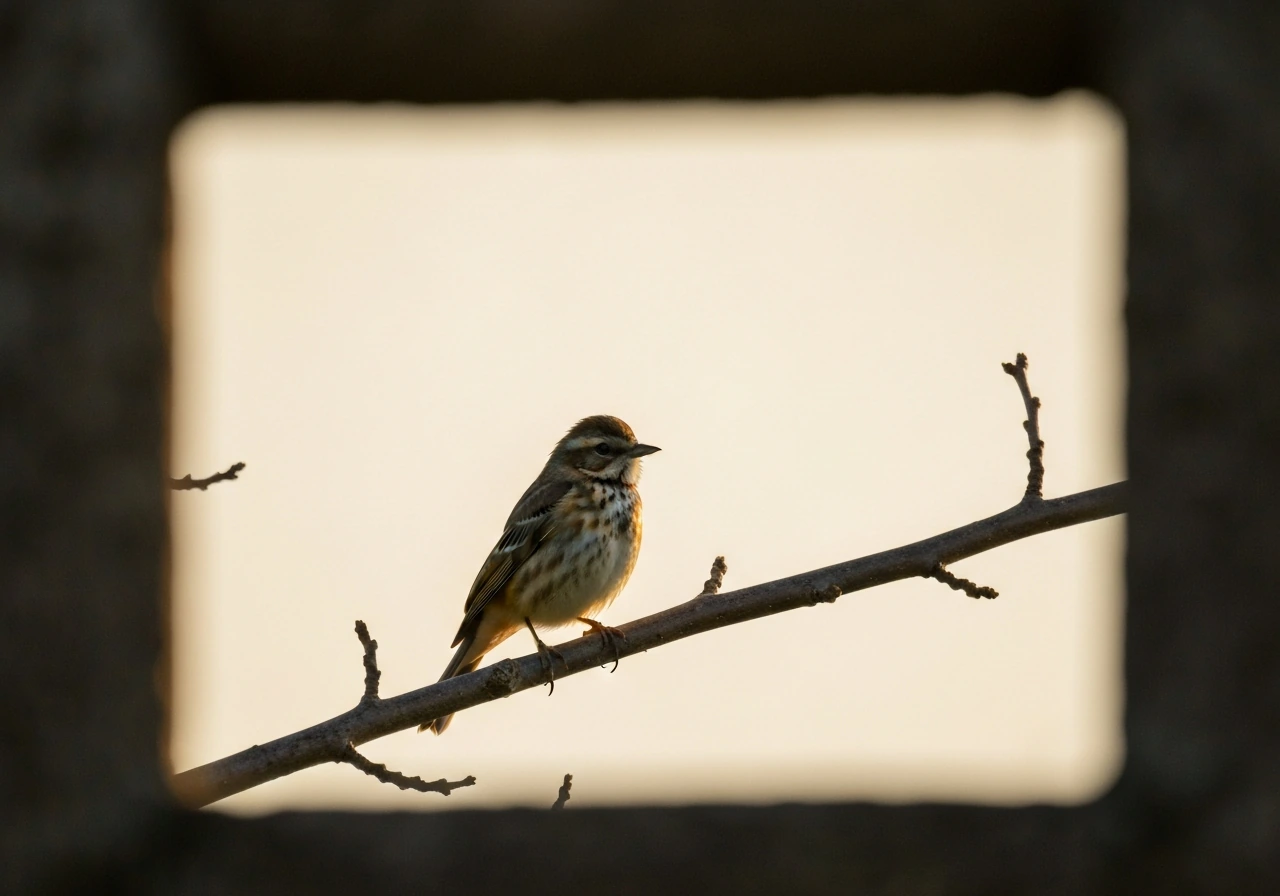
What people actually mean when they say 'one bird' (and why it gets confusing)
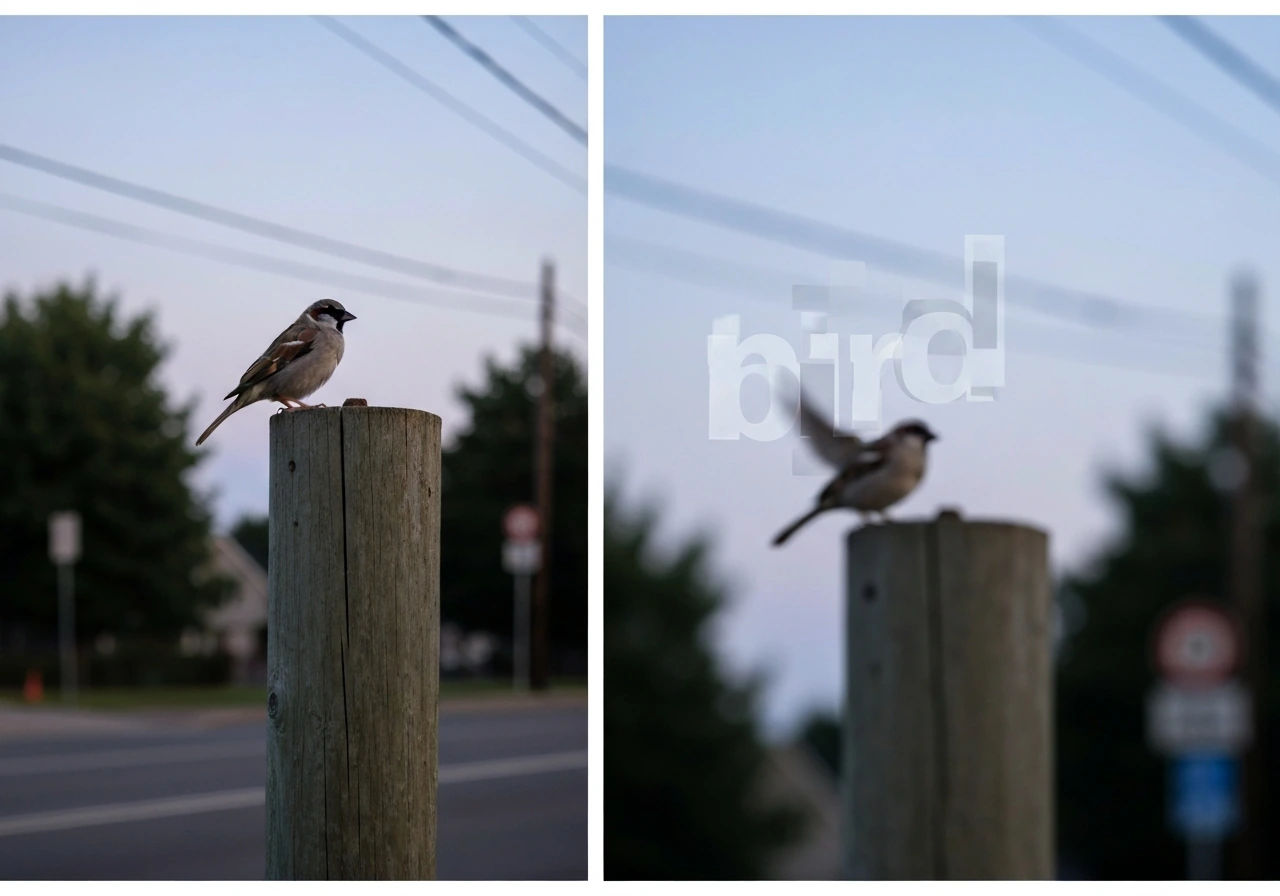
The phrase 'one bird' is genuinely ambiguous, and that's the root of most confusion. It can refer to a theme (the symbolic idea of a solitary bird in art, literature, or spirituality), a literal sighting someone is trying to interpret, a slang usage where 'bird' means a person, or even a fragment of a larger idiom. The word 'bird' alone already does a lot of heavy lifting in English. It can mean a literal animal, a mildly eccentric person (Collins lists 'bird' as slang for 'a person, esp. a mildly eccentric one'), an attractive young woman in British slang ('dolly bird' appears in both Cambridge and Collins dictionaries), or part of a fixed idiom like 'flip the bird,' which has nothing to do with animal symbolism at all.
Then there's a subtler linguistic issue: the difference between 'a bird,' 'the bird,' and 'one bird' actually shifts the meaning. 'A bird' is general and indefinite. 'The bird' often signals a specific idiom or reference (like 'the bird' as a rude gesture). 'One bird' emphasizes singularity deliberately, which is why it leans so strongly toward the symbolic interpretation of solitude, uniqueness, or being alone. That framing is almost always intentional when someone writes or says 'one bird' in a meaningful context. If you are also wondering about a phrase like “half bird,” that usually points to a specific symbolic or slang use rather than the standard “one bird” interpretation half bird meaning.
What a solitary bird usually represents symbolically
Across cultures and storytelling traditions, a lone bird is one of the most loaded images you can work with. It almost always signals something about the individual versus the collective, and that tension can tip in two directions depending on tone and setting.
- Freedom and independence: A single bird in flight, especially against an open sky, is one of the most universally recognized symbols of personal freedom. It appears this way in poetry, song lyrics, visual art, and tattoo culture around the world.
- Solitude and introspection: A bird perched alone or singing alone often represents quiet self-reflection, loneliness, or a deliberate choice to step back from the group. The tone depends entirely on the surrounding context.
- A spiritual messenger: In many folklore traditions (Celtic, Native American, West African, and others), a lone bird appearing at a significant moment is read as a sign or message, sometimes from a deceased loved one, sometimes as an omen of change.
- Resilience and self-reliance: The bird that stays behind, migrates alone, or survives outside the flock is a recurring figure for inner strength and the ability to navigate life without a safety net.
- Isolation or vulnerability: On the darker symbolic end, a lone bird can represent feeling cut off, exposed, or left behind, especially in elegies, mourning traditions, and grief imagery.
None of these meanings cancel each other out. The same image of one bird on a wire can be painted as deeply sad in one poem and triumphantly free in another. That duality is actually what makes the solo bird such a durable symbol. It carries emotional weight without locking you into a single reading. If you are specifically asking about the third bird meaning, it helps to look at which tradition, context, and message the phrase is being used to signal.
What 'one bird' tends to mean in different contexts
Context is everything here. The same image or phrase lands completely differently depending on where you encountered it. Here's a breakdown of the most common situations people are actually in when they search this.
In a dream
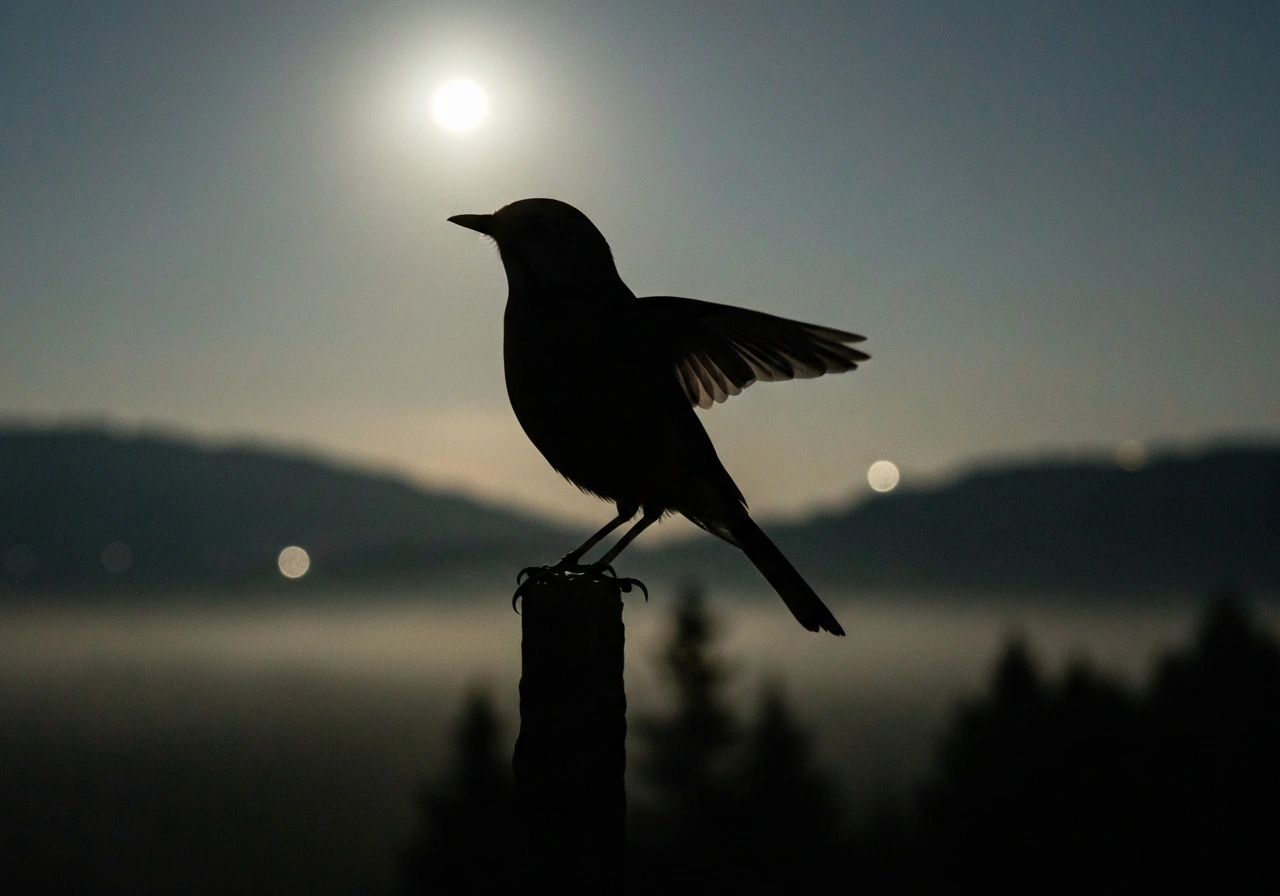
A single bird in a dream is most commonly interpreted in one of two directions: either as a message or signal (something your subconscious or a spiritual presence is trying to communicate) or as a reflection of your current emotional state around independence, isolation, or transition. The species of the bird matters a lot in dream symbolism. A lone crow reads very differently from a lone dove or a lone eagle. The bird's behavior in the dream (perching, flying away, singing, dying) shifts the meaning further.
As a sign or omen
If you're asking because you saw a single bird in real life at a moment that felt significant, you're working in omen territory, and that interpretation is deeply tied to species and cultural background. In many European folk traditions, a single robin seen after a death is taken as the presence of the deceased. In some Indigenous American traditions, a lone hawk circling overhead is read as a call to pay attention or a sign of spiritual protection. These meanings are culturally specific, so the first question to ask is: what tradition are you drawing from?
As a tattoo
Single bird tattoos are extremely popular, and the person getting one almost always has a clear personal meaning in mind, even if they're looking for language to describe it. The most common personal themes are freedom from a past situation, honoring a lost person, marking a period of independence, or simply loving the aesthetic of a bird in flight. Minimalist single-bird silhouettes (especially swallows, sparrows, and birds in flight) tend to lean toward freedom and new beginnings. A more detailed perching bird can lean toward contemplation or memorial.
In a story, poem, or song
When 'one bird' appears in a literary or musical context, it's almost always doing symbolic work. The lone bird in narrative is a classic archetype: the outsider, the survivor, the free spirit, the mourner. Pay attention to whether the bird is active (flying, singing, hunting) or passive (caged, silent, dead). That distinction usually tells you whether the author intends the bird as a symbol of power or a symbol of loss.
In a social media caption or quote
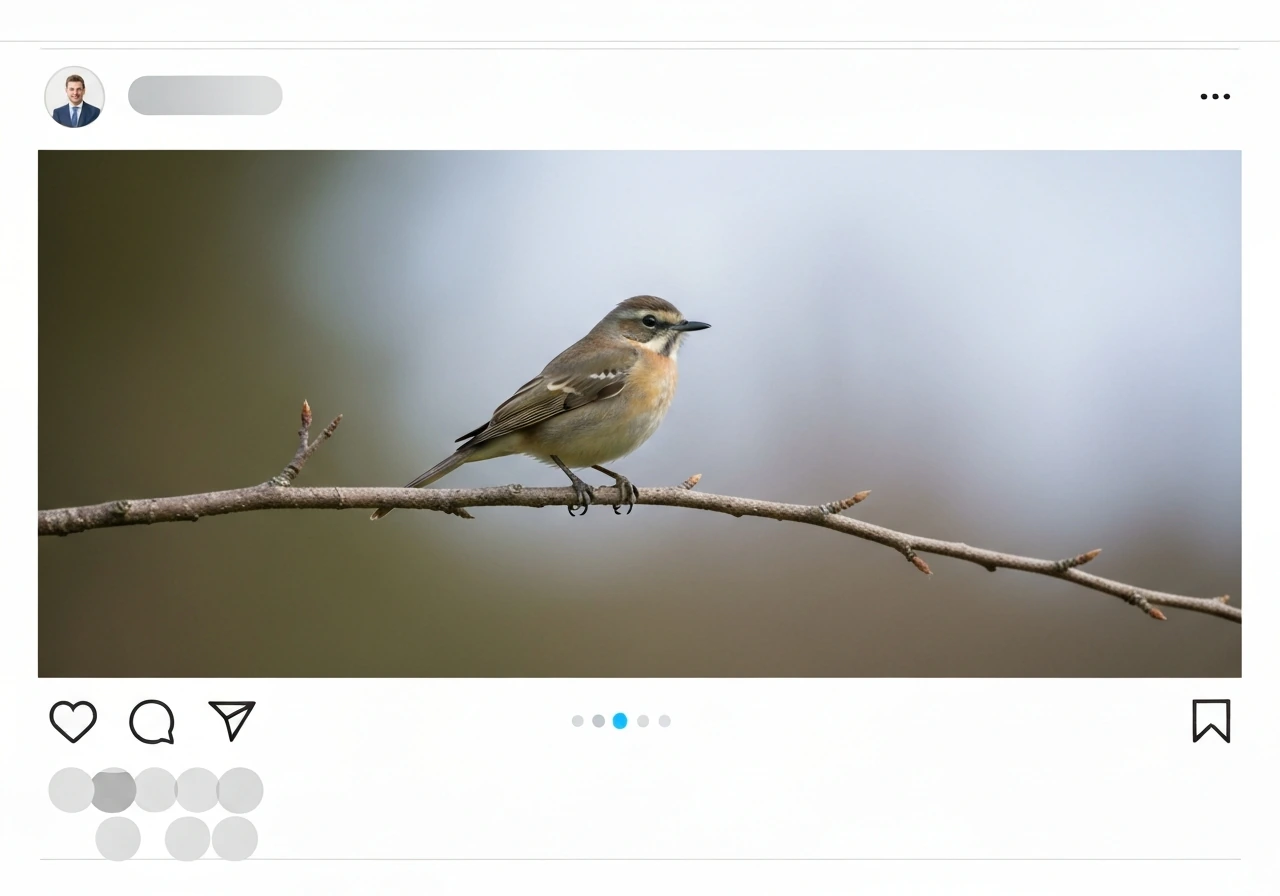
If someone posts a photo of a lone bird with a caption that seems meaningful, they're almost certainly drawing on the freedom or solitude angle. It's one of those images people reach for when they want to express something about being on their own path, taking a step away from a situation, or feeling quietly at peace with being alone. Sometimes it's also used to hint at feeling lonely without saying it directly.
How 'bird' works as slang and in idioms (the non-symbolic layer)
It's worth flagging the slang angle because it catches people off guard. In British and some Australian English, 'bird' is a well-established slang term for a person, often a woman. 'Dolly bird' (defined in both Cambridge and Collins as an attractive but not particularly intellectual young woman) is one example. More broadly, Collins notes that 'bird' can mean any person, especially a mildly eccentric one. So 'one bird' in a dialogue or casual written context might just mean 'one person,' with no symbolic weight at all.
Then there's the idiomatic use that's completely disconnected from symbolism: 'flip the bird' means making an offensive hand gesture (the middle finger), and 'the bird' in that phrase has nothing to do with freedom, solitude, or omens. Merriam-Webster lists “the bird” as an idiom for making the offensive middle-finger gesture “the bird” as an idiom for the offensive middle-finger gesture. If someone says 'give them one bird,' in certain slang dialects they might just mean the gesture. These are worth knowing so you can quickly rule them out and focus on the symbolic reading if that's clearly what applies to your situation.
How 'one bird' relates to other bird-count phrases
It's useful to know that 'one bird' sits in a whole family of bird-count expressions, each with its own distinct meaning. Two birds, half bird, double bird, quarter bird, full bird, and third bird all carry their own slang or symbolic significance depending on context, and they come up in everything from drug slang to military rank to hand gestures. For a related phrase, you can also look up full bird meaning to see how the “full” version shifts the symbolism or slang context. If you're trying to interpret something you heard and there's a number involved, knowing that these are all separate terms with different meanings helps you zero in on the right one. 'One bird' specifically tends to be the most symbolic of the bunch, leaning toward personal meaning rather than coded language.
Five questions that will narrow it down fast
If you're still not sure what 'one bird' means in your specific situation, run through these questions. The answers will almost always point you to the right interpretation.
- Where did you encounter it? (Dream, real sighting, tattoo, story, caption, overheard phrase) Each context has a primary interpretation cluster.
- What species was the bird, if known? Species is one of the biggest meaning-shifters in bird symbolism. A lone crow and a lone dove are not read the same way.
- What was the bird doing? Flying freely, perching quietly, singing, dying, or being caged all push toward different symbolic meanings.
- What cultural or religious background is relevant? Bird symbolism varies enormously between Celtic, East Asian, Indigenous American, West African, and other traditions.
- Was this used in speech or writing? If spoken in casual conversation, especially in British or Australian English, 'one bird' may simply mean one person, not a symbolic figure at all.
| Context | Most likely meaning | Key variable to check |
|---|---|---|
| Dream | Spiritual messenger or reflection of emotional state | Species and behavior in the dream |
| Real-life sighting | Omen or sign (culturally specific) | Your cultural tradition and the species |
| Tattoo | Personal freedom, memorial, or new beginning | Design style and what it means to the person |
| Story or poem | The outsider, survivor, or mourner archetype | Whether the bird is active or passive |
| Social media caption | Solitude, independence, or quiet loneliness | Tone of surrounding text |
| Spoken slang | One person (British/Australian usage) | Regional dialect and conversational context |
How to verify your interpretation and feel confident about it
Once you've identified the context and the species, here's how to cross-check and land on a confident reading rather than just guessing.
- Look up the specific bird species in a dedicated bird symbolism resource. The species almost always has its own tradition of meanings that will either confirm or complicate the 'lone bird' interpretation.
- Check the cultural tradition that's most relevant to your situation. A lone magpie means something very specific in British folklore (bad luck without a second one) that a lone magpie doesn't carry in Japanese tradition. Culture matters enormously.
- If it's a dream, cross-reference with dream symbolism resources that break down bird behavior (not just bird species), since what the bird was doing is often more important than what kind of bird it was.
- If it's a tattoo you're considering, look at how other people have described the meaning of their own similar tattoos. Personal testimony is often more useful than academic symbolism for this use case.
- If it's a phrase from a conversation or text, consider asking the speaker directly or checking whether the regional slang meaning (bird as person) applies before assuming symbolic intent.
- If it came up in a piece of literature or media, look at what the author has said about their influences or what tradition the work draws from. That context usually makes the intended symbolism clear.
The bottom line is that 'one bird' is a genuinely layered phrase, but it's not unresolvable. In most cases, working through the context, species, and cultural background gives you a clear and confident answer within a few minutes. The solitary bird is one of the oldest and most consistent symbols in human storytelling, which means there's a lot of accumulated meaning to draw on. You just need to know which thread to pull. The “two bird meaning” idea often comes up when people compare the symbolism of one bird versus two birds in the same context.
FAQ
How can I tell if the meaning is symbolic or just a normal literal bird sighting?
Use the “why now” clue. If the sighting happened during an emotional turning point, a conversation, or a creative moment (caption, dream, lyrics), it is more likely symbolic. If it was random, weather-related, or you would not have singled it out without the prompt “one bird meaning,” treat it as literal and avoid over-interpretation.
Does the species always matter, or can I interpret “one bird” without knowing what it was?
Species helps, but you can still narrow meaning by behavior and setting. For example, a silent perched bird often reads as reflection or solitude, while a bird that actively flies or sings often reads as freedom, release, or a “move forward” theme. If you do not know the species, focus on behavior first, then your personal associations.
What does a “one bird” symbol usually mean if the tone felt dark or ominous?
Dark tone usually shifts the symbol toward isolation, loss, warning, or the end of a phase rather than pure freedom. Pay attention to negative cues like the bird being dead, grounded, injured, or disappearing quickly, since those details commonly push the interpretation toward grief, closure, or caution.
How should I interpret “one bird” in a dream if I woke up with no emotion?
Emotion is a key signal in dream interpretation, but neutrality can mean the dream is more about information than about feeling. In that case, treat “one bird” as a prompt to notice a single change or single decision point in your waking life, especially anything tied to independence, distance from others, or a transition you have not fully named.
If I saw one bird at a significant moment, do I need to use folk-omen rules from a specific culture?
You do not have to adopt any tradition, but you should be clear about what you are doing. If you are interpreting as omen, choose the cultural lens you actually relate to (family, community, or study). If you have no tradition tied to it, a safer approach is to read it as personal meaning (a cue to reflect) rather than a fixed prediction.
Can “one bird” mean loneliness even if the image feels peaceful?
Yes. Peaceful can describe how solitude is experienced, not whether it is wanted. If your thoughts afterward were “I feel alone,” “I miss someone,” or “I’m on my own,” then the meaning leans toward loneliness. If your thoughts were more like “I’m okay being alone,” then it leans toward self-reliance or quiet contentment.
What’s the biggest mistake people make when interpreting “one bird meaning” online or from captions?
They lock onto one generic definition and ignore the caption’s cues. A caption that emphasizes distance, stepping back, or personal boundaries often points toward independence. A caption that emphasizes absence, memory, or “gone” cues often points toward memorial or loss. The surrounding words usually outweigh the bird image itself.
How do I handle “one bird” if it might be slang for a person?
Check for human context. If the sentence reads like someone is describing a person’s attitude, attractiveness, or behavior, “bird” may mean “person” rather than an animal. If “one bird” is used in casual dialogue, substitute “one person” mentally and see if the meaning becomes coherent, then only apply symbolism if the surrounding context is clearly artistic or metaphorical.
Is “one bird” the same as other bird-count phrases like “two birds” or “third bird”?
No. Bird-count phrases are separate terms that can shift into different slang or cultural meanings. A reliable rule is to treat each number phrase as its own expression, not as a simple scaling of “one bird” symbolism. If you are unsure, look specifically at the exact phrase you encountered, including the number and any nearby words.
If I’m interpreting “one bird” for a tattoo, how do I choose a meaning that matches the design?
Match meaning to details you can control. Flight or wings-forward silhouettes commonly support freedom and new beginnings, while a perching, still, or detailed portrait-style bird often supports contemplation or honoring. Also decide whether the bird is solitary by composition (no flock cues) to keep the “one bird” theme consistent.
Next Article
Half Bird Meaning Explained: Literal and Figurative Uses
What half bird means in mythology and symbolism, plus how it functions as slang or metaphor in text and art.