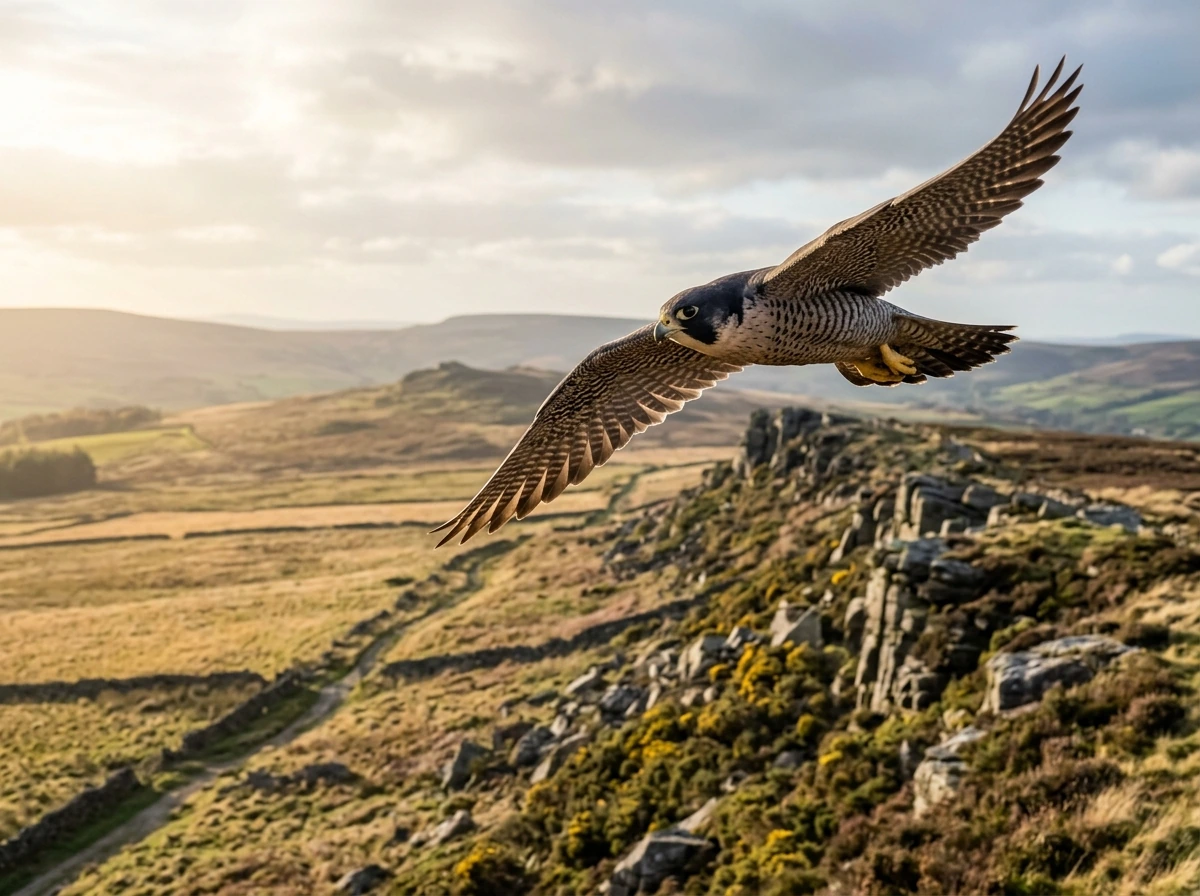
"Storm bird" can mean at least four genuinely different things depending on where you encountered it: a literal species nickname used in Australia, a mariner's omen tied to storm-petrels, a metaphor for upheaval or revolution, or a mythological sky deity from ancient Mesopotamia. None of those meanings is wrong. The phrase is just doing a lot of work across a lot of contexts, and your job is to figure out which one applies to what you read or heard. This guide will get you there.
Storm Bird Meaning: How to Interpret the Phrase in Context

Marcus Whitmore
23 Mar 2026

Quick meaning check: what people usually mean by "storm bird"
If you had to pick the single most common use of "storm bird" in everyday English, it splits pretty cleanly along geography. In Australia, "storm bird" is a well-known colloquial name for the Pacific koel (a cuckoo), and sometimes the channel-billed cuckoo. Both species arrive with the wet season, call loudly right before rain, and have earned the label fair and square from people who grew up hearing them. If someone in Sydney drops "storm bird" into a nature caption, they almost certainly mean the koel.
Outside Australia, especially in older maritime writing and literature, "storm bird" tends to map onto storm-petrels: small seabirds whose appearance around ships was treated by sailors as a forecast of rough weather. The European storm petrel was called "Mother Carey's chicken" in British and North American folk tradition, and the phrase "storm bird" was sometimes used interchangeably. This is also the sense behind the Russian word Буревестник (burevestnik), which translates directly as "storm bird" and refers specifically to the stormy petrel.
In poetry, song, or a dramatic caption, "storm bird" usually drops the species question entirely and becomes a symbolic image: something dark, powerful, and foreboding that signals change, chaos, or emotional intensity. That is the metaphorical lane, and it is where most creative writing lives.
Storm + bird symbolism: what the combination actually means
Birds carry a consistent symbolic weight across cultures: they move between earth and sky, which makes them natural messengers, omens, and threshold figures. Storms carry their own consistent weight: disruption, power, transition, the end of something ordinary. When you put the two together, you get a symbol that sits right at the intersection of warning and transformation. That is a powerful combination, and different traditions have leaned into it in different ways.
The omen reading is the oldest and most widespread. If a bird shows up in a storm (or just before one), cultures across Europe, maritime Asia, and the Americas have historically interpreted that as a message: something is coming, pay attention. The mariner tradition around storm-petrels is a perfect example. Sailors did not just think the petrel predicted rain; they thought its presence meant danger, bad luck, even death. The bird was a warning from the sea itself.
The metaphor then expanded beyond weather. By the 19th and 20th centuries, "stormy petrel" was being used in political writing to describe someone with revolutionary or disruptive views, someone whose arrival signals upheaval in the social order rather than the atmosphere. That is a clean example of how bird-plus-storm imagery migrates from literal omen to character metaphor: the storm bird is no longer just forecasting rain, it is forecasting change.
In creative writing today, the symbolic lane for "storm bird" usually lands on one of three themes: a warning (something is wrong, watch out), an agent of chaos or change (the storm is here and this figure rides it), or a kind of wild, untameable energy. If you are reading a poem or song lyric and the storm bird appears, it is almost always doing one of those three things.
Literal uses: actual birds called "storm bird" and why
There are several real birds that go by this name, and the naming logic is always the same: the bird shows up when storms do, either by migrating with the wet season or by being spotted at sea in rough conditions.
The Pacific koel and channel-billed cuckoo (Australia)
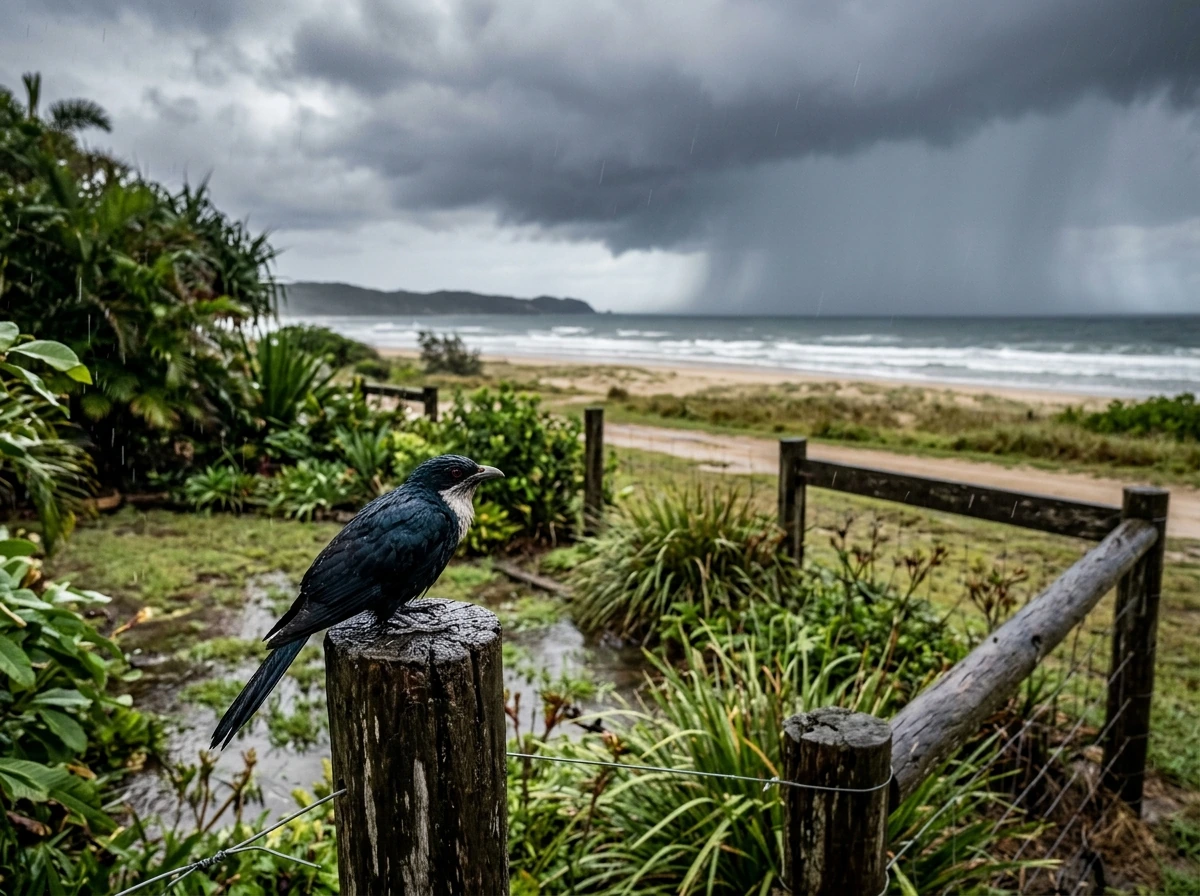
In Australia, the Pacific koel is probably the most commonly called "storm bird" in everyday speech. The koel migrates to Australia from Papua New Guinea and Indonesia around the start of the wet season, typically spring, and its loud, escalating call arrives right as the storms do. Australian news outlets have explicitly covered whether the "storm bird" can predict rain (the short answer: it is seasonal timing, not meteorology, but the correlation is real enough that the name stuck). The channel-billed cuckoo gets the same treatment, often called "storm-bird," "flood-bird," or "rain-bird" because its migration lines up with the onset of the rainy season. The channel-billed cuckoo is said to receive colloquial names such as “storm-bird,” “flood-bird,” or “rain-bird” because its migration coincides with the start of the rainy season in northern Australia blank" rel="noopener noreferrer">often called "storm-bird," "flood-bird," or "rain-bird".
Storm-petrels (global maritime tradition)
Storm-petrels are the other major literal referent. These small seabirds are genuinely associated with stormy seas: they skim the wave surface in rough conditions and were historically spotted around ships during bad weather. One historical field guide description notes they were "considered birds of ill-omen" by sailors in times of danger. "Storm bird" was documented as an alternative name for storm-petrels in at least some English field guides and natural history writing, and one older British natural history text also noted the name being applied to the fieldfare, though that usage is much less common.
Anzû: the mythological storm-bird
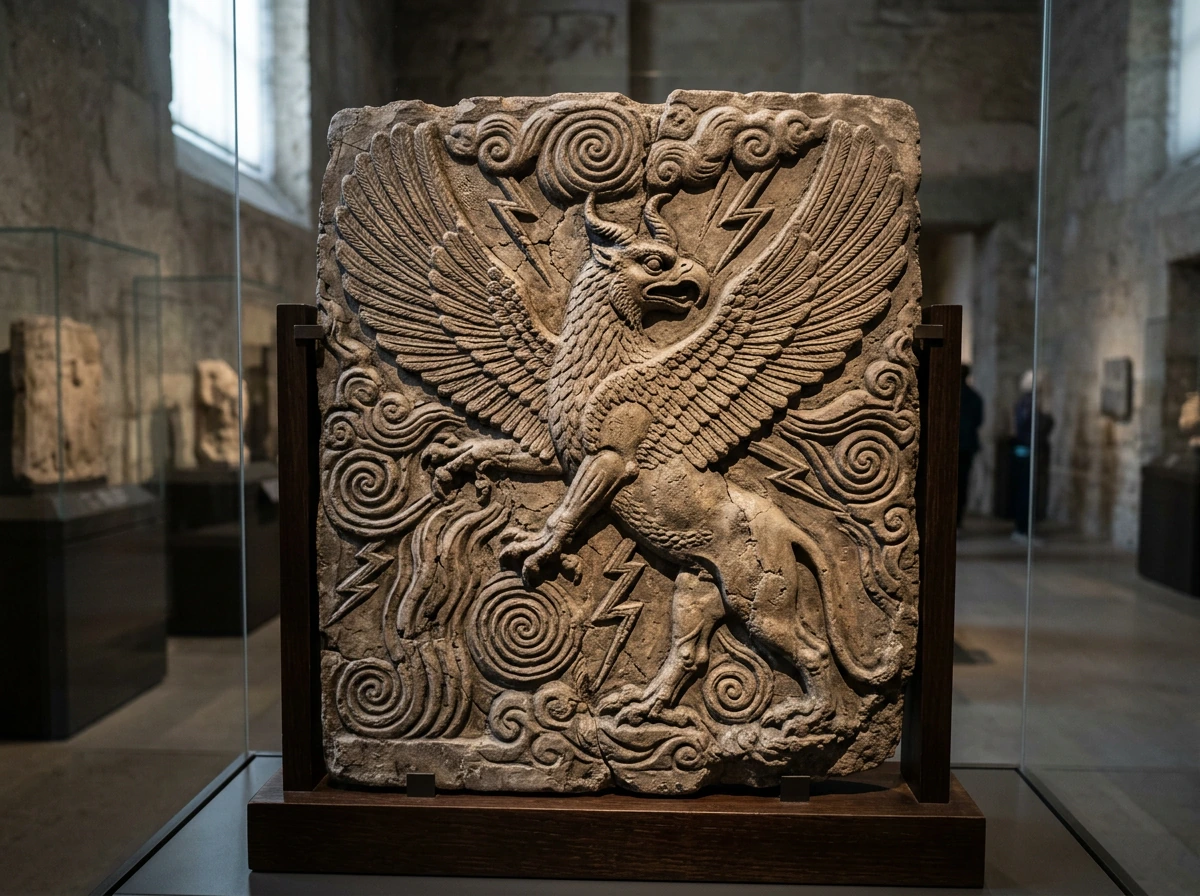
If you are reading about ancient Mesopotamian mythology and come across "storm bird," that is almost certainly a reference to Anzû (sometimes spelled Anzu), a divine being described explicitly as a storm-bird connected to the southern wind and thunder clouds. Anzû is not a species or a metaphor in the literary sense; it is a deity, a personification of storm power itself. This is a separate category from the others, but it is worth knowing because "storm bird as cosmic, sky-ruling force" is a recurring mythological archetype that shows up across cultures, not just Mesopotamia.
How to tell which meaning you're looking at
Context does most of the disambiguation work here. A few specific cues will usually get you to the right answer within about thirty seconds of reading.
| Context clue | Most likely meaning |
|---|---|
| Australian setting, nature post, wildlife caption, ABC-style article | Pacific koel or channel-billed cuckoo (literal species nickname) |
| Nautical or maritime setting, historical writing, sailors mentioned | Storm-petrel (literal species + omen tradition) |
| Poetry, song lyric, novel, dramatic caption with emotional imagery | Symbolic metaphor (warning, upheaval, change, power) |
| Political writing, revolutionary character description | Metaphor for disruptive/revolutionary figure (stormy petrel tradition) |
| Ancient mythology, Mesopotamian or Near Eastern context | Anzû, the divine storm-bird deity |
| Russian text or translation from Russian | Burevestnik (storm petrel), possibly Gorky's literary use of the image |
| Hyphenated as 'storm-bird' in descriptive/literary prose | Likely a compound image or metaphor functioning as a single descriptive unit |
The hyphenation point is genuinely useful and often overlooked. When a writer uses "storm-bird" with a hyphen, they are signaling that the two words are functioning as one descriptive unit, which leans toward literary or metaphorical intent. When it appears as two separate words in a field guide, nature article, or wildlife post, you are more likely looking at a species nickname. Capitalization matters too: "Storm Bird" with both words capitalized often signals a proper name, title, or specific totem/cultural reference rather than a generic image.
Cultural references and storytelling: omens, warnings, and transformation
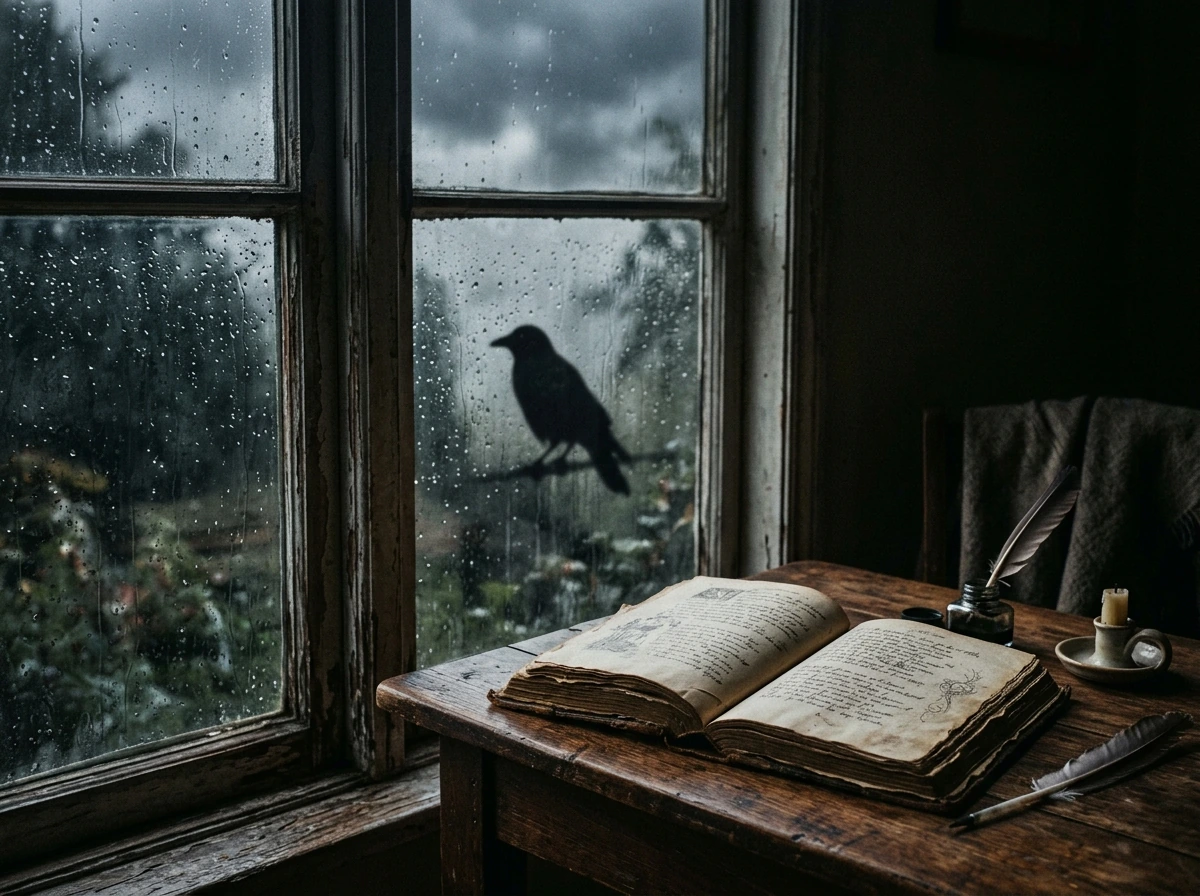
The storm bird has shown up in literature and storytelling across centuries, and the emotional register is almost always the same: something significant is about to happen, and this bird is the signal.
Frank Dempster Sherman's poem "Storm" gives a good example of how the image works in dramatic literary prose: the storm-bird "fluttered his dismal wings" in the middle of a storm scene. The bird is not identified as a species. It does not need to be. It is doing atmospheric and emotional work, reinforcing the sense of darkness and foreboding that the storm represents. The Poetry Foundation also indexes a poem simply titled "The Storm Bird" by Alice Corbin Henderson, published in Poetry Magazine in April 1920, treating the phrase as a standalone literary image worthy of a title.
In mariner folklore, the transformation theme is particularly strong. Storm-petrels were bad omens in one reading: spot one, expect trouble. But in another reading, they were protectors, spirits of dead sailors watching over the crew. The bird is literally riding the storm, surviving conditions that could kill a person, which makes it either a harbinger or a guide depending on the tradition. That ambiguity is part of what makes storm bird imagery so durable in storytelling.
The political metaphor is the boldest transformation of the image. When "stormy petrel" became shorthand for a revolutionary or socially disruptive figure, the storm stopped being about weather entirely and became about social upheaval. Wikipedia’s “Northern storm petrel” page links the storm petrel’s association with turbulent weather to the metaphorical epithet “stormy petrel,” used for revolutionary views. The bird survives the storm, moves through it, even seems to thrive in it. Applied to a person, that becomes a symbol of someone who does not just endure upheaval but embodies it. You can see echoes of this in how "storm bird" gets used in creative writing today: the character or figure who arrives with chaos and cannot be separated from it.
In Australian Indigenous contexts, the koel has been treated as a totem and spiritual figure in some communities, explicitly tied to the storm season as a meaningful threshold, not just a weather cue. The Australian Department of Defence has documented a "storm bird joins with colours" ceremony that frames the bird as a spiritual being, showing how the literal species can carry full symbolic weight in cultural practice.
Your practical next steps: pin down the meaning fast
If you came to this article because you read or heard "storm bird" somewhere and want to know what it means, here is how to work it out quickly.
- Find the source. Where did you see it? A social media nature post from Australia almost certainly means koel. A maritime novel means storm-petrel. A poem or lyric means metaphor.
- Check the surrounding words. Are there species details (call, migration, nest, scientific name)? Literal. Are there emotional or dramatic words (omen, warning, dark, chaos, power, wings)? Metaphorical.
- Look at capitalization and hyphenation. 'Storm Bird' as a proper title or totem name is a specific reference. 'storm-bird' hyphenated in prose is a literary image. 'storm bird' open and lowercase in a field guide is a species nickname.
- Check the region. Australian context skews heavily toward koel/cuckoo. European or North Atlantic context skews toward storm-petrel. Ancient Near Eastern or mythological context means Anzû.
- Ask what the author needed it to do. If the phrase is doing emotional or narrative work (building tension, describing a character, signaling change), it is symbolic. If it is simply identifying an animal, it is literal.
If none of those steps fully resolves it, the safest default interpretation for most modern English usage outside Australia is the metaphorical one: storm bird meaning. That is the reading most likely to match what a songwriter, poet, or caption writer intended. war bird meaning. That is the reading most likely to match what a songwriter, poet, or caption writer intended. For Australian usage, default to the koel and you will be right the vast majority of the time.
If you are exploring other bird phrases that work similarly, the way "storm bird" layers literal species identity over symbolic meaning is a pattern you will find with other bird terms too. The loon, the hawk, and the snowbird all do something similar: they carry a specific animal identity in one context and a loaded metaphorical meaning in another. Working out which lane you are in is always the first step, and the same context cues (region, register, surrounding language) get you there. hawk bird meaning. what does snow bird mean
FAQ
If I see “storm bird” in a caption, how can I tell whether it is meant literally or symbolically?
Check what other words it is paired with. If the caption mentions weather timing in a local way (wet season, rain onset, migration), it is likely the Australian bird sense (koel or channel-billed cuckoo). If the caption clusters with emotions or plot beats (foreboding, change, chaos, warning), it is almost certainly the metaphorical lane rather than a species reference.
Does “storm bird” always mean a storm-petrel outside Australia?
No. Outside Australia, storm-petrel is common in older maritime writing, but modern English often uses the phrase for symbolic effect. If the passage includes sailing terms (ships, sailors, seasickness, watch-keeping), storm-petrel is more likely. If it does not, default to metaphor unless the text explicitly names a seabird.
What does a hyphen versus no hyphen mean for storm bird meaning?
A hyphenated form (storm-bird) often behaves like a single artistic descriptor, so it leans metaphorical in poetry and drama. Unhyphenated “storm bird” in a field guide or wildlife post is more likely a colloquial or nickname use for a real species. Capitalization can add weight too, “Storm Bird” can signal a title or proper name.
I saw “Storm Bird” with both words capitalized, is it always about mythology?
Not always. Capitalized “Storm Bird” can indicate a title of a poem, book, or named character, not just a deity. Mythological Anzû is a likely guess only when the surrounding context includes cosmic, divine, or ancient Mesopotamian references.
If someone says a storm bird “predicts rain,” is that meteorology?
Usually not. In Australian usage, the correlation comes from seasonal timing, the bird arrives around the wet season and calls right before storms, so people interpret it as a rain forecast. It is a pattern readers can observe, not a reliable weather instrument.
How should I interpret “stormy petrel” compared with “storm bird”?
They are related but not identical. “Stormy petrel” more directly points to the seabird in older texts or the political metaphor in later writing. “Storm bird” can be broader, covering the same storm-petrel association in maritime contexts, but it can also shift into metaphor or mythology depending on region and phrasing.
Could “storm bird” refer to the idea of a protector rather than a warning?
Yes, especially in mariner folklore. The storm-petrel tradition can split between “bad omen” and “protective spirit” depending on the story. If the passage mentions guarding the crew, watching from the sea, or guidance through danger, treat it as protective rather than purely ominous.
What if the text seems to be mixing meanings, like a species description with symbolic language?
That overlap is common. Writers can start with a real bird cue (call before rain, seen near ships) and then use it as emotional or thematic symbolism. When both appear, decide which function dominates: if the author explains behavior or seasonality, literal reference matters; if the author uses the bird to frame character change or foreboding, metaphor is driving the meaning.
What is the safest default meaning if I still can’t identify the context?
In most modern English situations outside Australia, the safest default is the metaphorical reading, “storm bird meaning” as a symbol of warning, upheaval, or wild power. For Australian contexts, the default is the koel (or sometimes the channel-billed cuckoo) as the intended species nickname.
Next Article
Hawk Bird Meaning: Literal Facts, Symbolism, and Idioms
Get hawk bird meaning: literal traits, symbolism like focus and power, idioms, myths, and real-life guidance.