When people search for 'the bird and the worm meaning,' they usually have one of three very different things in mind: the classic proverb about early action and reward, the 2007 The Used rock single with its raw psychological imagery, or Owl City's dreamy relationship metaphor. The phrase sounds like one thing but actually points in completely different directions depending on the words in front of you. This guide walks through all three versions, shows you how to identify which one you have, and explains exactly what it means.
The Bird and the Worm Meaning and Lyrics Meaning

Marcus Whitmore
23 Mar 2026
What 'the bird and the worm' means (quick answer)
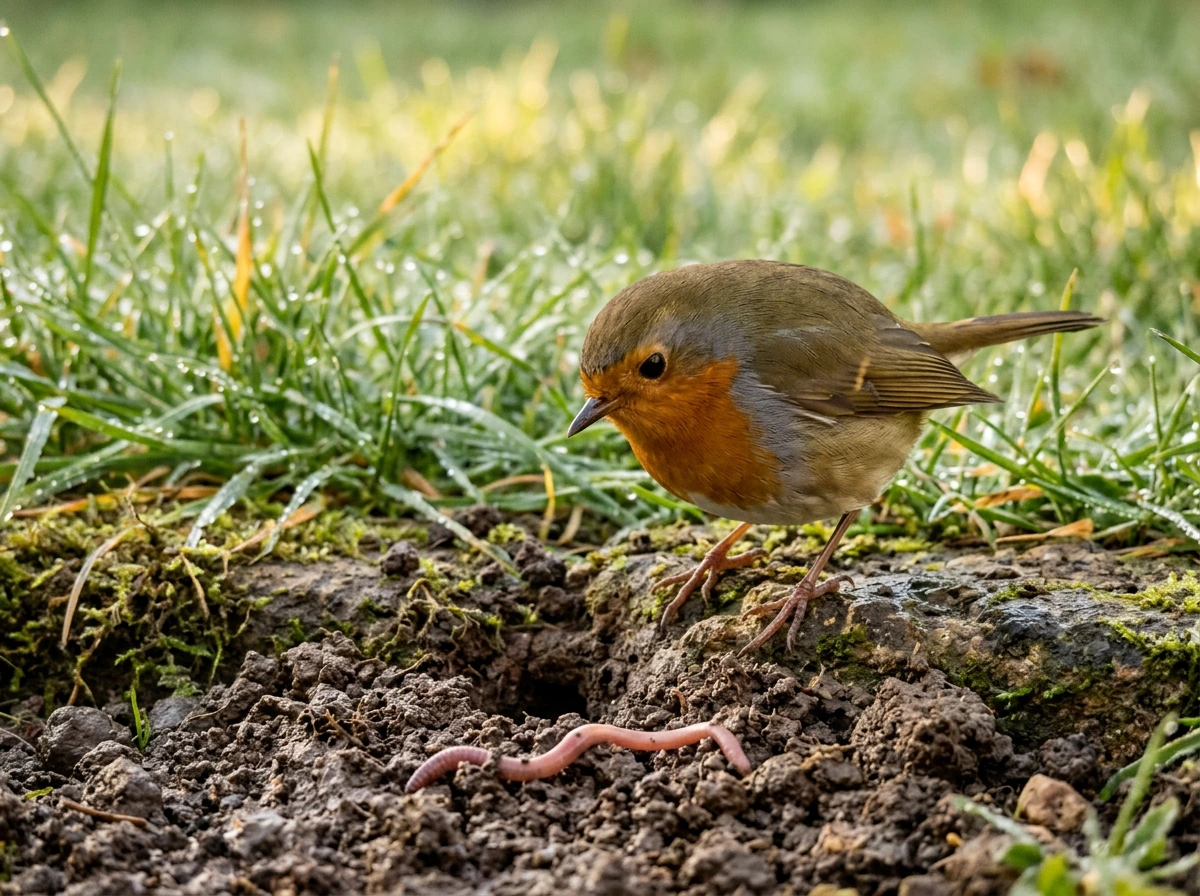
At its core, the bird-and-worm image is about a natural power relationship: one creature pursues, one is caught. How that gets applied depends entirely on context. In the proverb, the bird is someone who acts early and the worm is the reward they earn. In The Used's 2007 song, the worm is a person desperately trying to escape an overwhelming force, and the bird is that predatory pressure bearing down on them. In Owl City's song, the bird and the worm become roles in a relationship, where one person has power over the other. Same two animals, very different stories.
The lyrics: the main versions you might have in mind
Because 'the bird and the worm' shows up in multiple places, it helps to pin down exactly which version you're thinking about. Here are the three most likely sources.
The proverb: 'the early bird gets the worm'
This is probably the oldest and most widely recognized version. The full form is 'the early bird catches the worm' or 'blank" rel="noopener noreferrer">the early bird gets the worm.' It's a proverb, not a song lyric, meaning it doesn't have fixed words from a single author. You'll recognize it because the phrasing centers on 'early bird' and the action of catching or getting. There's no dramatic emotional imagery, no relationship dynamic. It's simple, moralistic, and upbeat.
The Used: 'The Bird and the Worm' (2007)
blank" rel="noopener noreferrer">Released as a single on March 20, 2007, The Used's 'The Bird and the Worm' has a very specific lyric signature. The key line that makes this version unmistakable is 'crawls like a worm from a bird,' repeated in a way that hammers on the feeling of helpless, desperate movement. If you have those words in front of you, or anything close to them, this is your source. The tone is intense, emotionally raw, and far from a children's lesson.
Owl City: 'The Bird and the Worm'
Owl City's version is commonly quoted with a chorus-style line along the lines of 'You're the bird and I'm the worm.' That role-assignment structure, where one specific person is labeled the bird and another is the worm, is the clearest marker of this version. Owl City's musical style is dreamy and whimsical, but fan discussions often land on a more complicated reading: if you're the worm, what does it mean that the bird has you?
What the lyrics are actually saying, line by line
The proverb, unpacked
The logic of the proverb is straightforward: birds that wake up early get access to food before birds that sleep in. The worm is out in the morning and gets snatched by whoever arrives first. Applied to people, it teaches that showing up early, starting a task ahead of others, or taking initiative gives you an advantage.
USC Digital Folklore Archives records the proverb phrase “the early bird catches the worm” and interprets it as a successful outcome that starts early before others wake up showing up early, starting a task ahead of others, or taking initiative. It's not really about birds at all.
The bird is you when you're motivated, and the worm is the opportunity sitting there waiting to be claimed.
The Used's version, image by image
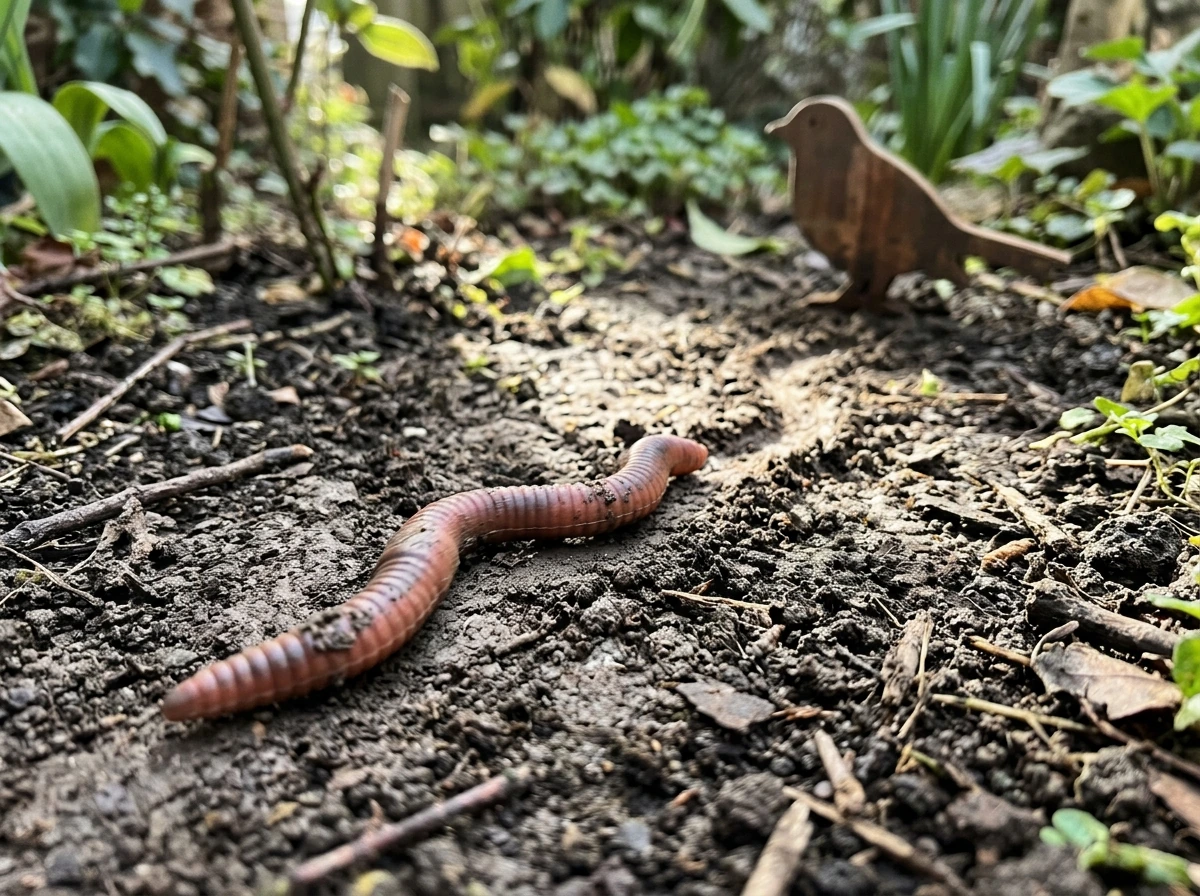
The repeated phrase 'crawls like a worm from a bird' is doing specific emotional work. Worms don't run, they crawl. They're slow, exposed, and have no natural defense against a bird. When The Used uses that image, they're expressing a feeling of total vulnerability, the sense of trying to escape something overwhelming when you barely have the means to move. Commentary around the song often frames it as inner turmoil, a person under psychological or emotional pressure trying desperately to get out but feeling trapped by their own limitations. The bird here isn't an opportunity. It's the threat.
Owl City's version, role by role
Owl City's 'You're the bird and I'm the worm' sets up a power imbalance directly. The speaker is positioning themselves as the worm, the vulnerable one, and assigning the bird role to someone else, making that person the one with the power, the momentum, the direction. Fan readings split on whether this is romantic (the worm is drawn to, even charmed by, the bird) or unsettling (the worm has no choice, it's being hunted). The ambiguity is actually part of what makes the lyric interesting. Owl City's production tends toward the soft and whimsical, which complicates the image further. Is being the worm sweet or frightening? Probably a bit of both.
Why 'bird' and 'worm' work so well as symbols
These two animals are almost perfectly designed for metaphor. Birds are visible, mobile, aerial, and purposeful. They move with direction. Worms are underground, soft, slow, and almost entirely reactive to their environment.
The bird is visible, mobile, aerial, and purposeful. Worms are underground, soft, slow, and almost entirely reactive to their environment. The contrast between them is immediate and legible to basically any audience. You don't need to explain what a bird or a worm is, and you don't need to explain the relationship between them.
Everyone already knows the score. what does bird mean sexually in a relationship You don't need to explain what a bird or a worm is, and you don't need to explain the relationship between them. Everyone already knows the score.
That built-in clarity is why the image has been reused across centuries and genres. A 1936 animated short called 'The Early Bird and the Worm' played the same dynamic for laughs, using the same symbolic shorthand that the proverb had already established. The bird is active; the worm is at risk. Storytellers keep reaching for this pairing because the tension between them is immediately understood, and it scales up or down depending on tone. Make it bright and cheerful, and it becomes a children's lesson. Make it dark and repetitive, and it becomes psychological horror.
Where the phrase shows up culturally
The proverb version of 'bird and worm' has been in circulation for centuries in English as a piece of folk wisdom. Educators use it to talk about diligence, punctuality, and initiative, particularly with younger audiences. It's the kind of phrase a parent or teacher might say without thinking too hard about it, because it's so deeply embedded in everyday English.
Modern cultural usage, though, tilts heavily toward the song interpretations. When someone searches 'the bird and the worm meaning' in 2026, there's a solid chance they're thinking about The Used or Owl City rather than a proverb. Music forums, lyric sites, and social media discussions have built up their own interpretive traditions around both songs, and those readings have become part of the cultural vocabulary around the phrase. If you're in a music context, 'bird and worm' almost certainly means one of those two songs.
One thing worth noting: 'bird and the worm' is distinct from 'the birds and the bees,' which is a completely separate idiom. If you meant the bird and the bees meaning, that phrase is a separate idiom about how adults explain reproduction to kids. If you're curious about that expression, it lives in its own interpretive territory around how adults explain reproduction to children. (We cover the birds-and-bees meaning separately if you want to dig into that one.
) The two phrases can get confused in memory, especially if you heard both as a kid, but they mean entirely different things. One thing worth noting: 'bird and the worm' is distinct from 'the birds and the bees,' which is a completely separate idiom. If you're curious about that expression, it lives in its own interpretive territory around how adults explain reproduction to children.
The two phrases can get confused in memory, especially if you heard both as a kid, but they mean entirely different things. (We cover the birds-and-bees meaning separately if you want to dig into that one. )
How to match your specific lyric to the right meaning
The fastest way to find the right interpretation is to look at the exact words you have. Here's a simple way to sort it out:
| If your lyric or phrase includes... | You're looking at... | Use this interpretation |
|---|---|---|
| 'early bird gets/catches the worm' | The classic proverb | Diligence and early action lead to reward |
| 'crawls like a worm from a bird' | The Used (2007 single) | Vulnerability, inner turmoil, desperate escape from overwhelming pressure |
| 'You're the bird and I'm the worm' | Owl City | Relationship power dynamic: one person dominant, one vulnerable, with romantic or unsettling undertones depending on your reading |
| General 'bird and worm' without specific lyrics | Could be any of the above | Default to the proverb meaning unless you have musical context |
The wording is your anchor. The Used's version has that distinctive crawling image. Owl City's has the explicit role assignment. The proverb has 'early bird' as its setup. If none of those specific phrases match what you have, look at tone: is the surrounding content about self-improvement and initiative? Or emotional struggle? Or a romantic relationship with unequal footing?
How to use the meaning in conversation or writing
Which version you're working with changes how you'd apply it in speech or on the page. Here are practical guidelines for each.
Using the proverb
The proverb works cleanly in motivational contexts, professional conversations, and everyday speech about timing and initiative. 'We submitted our proposal two days early, and we got the contract. The early bird gets the worm.' It's warm, recognizable, and appropriate for basically any audience including kids. Avoid blending this usage with the darker song imagery. If you quote 'the early bird gets the worm' and then start talking about psychological vulnerability, you'll confuse your listener.
Referencing The Used's version
If you're writing about emotional struggle, vulnerability, or the feeling of being trapped, The Used's imagery gives you something specific and evocative to work with. You might reference the 'crawling from a bird' image to capture a feeling of slow, exposed, effortful movement away from something frightening. In creative writing or music criticism, naming the song directly is the clearest move. Don't assume readers will know the specific lyric without context.
Referencing Owl City's version
The 'you're the bird, I'm the worm' framing is useful when you want to describe a relationship where one person holds more power or direction than the other, and especially when there's some ambiguity about whether that dynamic is comforting or uncomfortable. In casual conversation or creative writing, it lands best when the reader already knows the song. If they don't, briefly anchor it: 'Like that Owl City line, you're the bird and I'm the worm.' That gives the image enough context to work.
A note on audience
The proverb is family-safe and universally appropriate. The song versions, particularly The Used's, carry emotional weight and adult themes that aren't appropriate for every context. If you're writing for a general or mixed-age audience and you want the bird-and-worm image, stick to the proverb framing. Reserve the song-based readings for contexts where that kind of emotional depth fits.
Your checklist for interpreting any 'bird and worm' lyric
- Find the exact words. Does the phrase include 'early bird,' 'crawls like a worm from a bird,' or 'you're the bird and I'm the worm'? Match to the source above.
- Check the tone. Is it motivational and upbeat? Probably the proverb. Intense and emotionally raw? Likely The Used. Dreamy but laced with power imbalance? Points to Owl City.
- Consider the context. Is this a song, a classroom, a conversation about initiative, or a discussion about a relationship? Context narrows it fast.
- Don't blend interpretations. The proverb's 'reward for early action' and The Used's 'desperate vulnerability' are not interchangeable. Using one framework to explain the other will muddy the meaning.
- When in doubt, default to the proverb. It's the oldest, most widely used, and most recognizable version in everyday English.
FAQ
How can I tell which “the bird and the worm meaning” someone is referring to when the phrase is shortened?
“The bird and the worm” is incomplete on purpose, and different sources finish the thought in different ways. If the text you saw includes “early bird,” it is the proverb. If it includes “crawls like a worm from a bird” (or a close repeat), it is The Used. If it includes “You’re the bird and I’m the worm,” it is Owl City. In practice, the quoted wording is the quickest way to avoid mixing meanings.
In the proverb version, which side is the reward, and do people often mix it up?
In most proverb uses, “the bird” is the person who starts early and “the worm” is the reward or opportunity you reach first. A common mistake is flipping it, treating the “worm” as the active hunter and “bird” as the prize. If you can swap in “initiative” for bird and “advantage” for worm without changing the point, you are reading it correctly.
What’s the most accurate emotional takeaway from The Used’s “crawls like a worm from a bird” line?
For The Used, the feeling comes from the mismatch between what a worm can do and what is happening to it. If you are interpreting it as empowerment, it will not fit the lyric’s emotional logic. The safer interpretation is vulnerability, panic, or feeling trapped under pressure, because the key image emphasizes limited escape.
Does Owl City’s “you’re the bird and I’m the worm” mean romance, or does it suggest something darker?
With Owl City, power is the core idea, but you need the surrounding context to decide whether it reads as romantic, playful, or unsettling. If the lyrics elsewhere describe attraction, it leans charming. If they describe lack of choice or being pulled along, it reads more like pursuit or being hunted. Don’t decide that part from the “bird and worm” line alone.
Is “the bird and the worm” safe to use around kids, or should I avoid the song references?
Yes. If you are quoting it in a mixed-age setting, the proverb is the family-safe default. The Used’s version carries adult psychological intensity, so it can land as unsettling even when you intend it as metaphor. When in doubt, use “the early bird catches the worm” instead of the standalone animals-only phrase.
What’s the best way to reference the right meaning in an essay or creative writing so readers don’t get the version wrong?
It is usually clearer to name the source explicitly in your writing. If you simply use “bird and worm” without a frame, readers may map it to the wrong tradition. A practical approach is to add one anchor clause, for example, “like the early bird proverb” or “like that Owl City role-reversal line,” before you apply the metaphor.
If the phrase appears without “early bird,” should I still assume the proverb meaning?
When you see “bird and worm” without “early,” treat it as ambiguous rather than assuming the proverb. The phrase can appear in music reviews, meme captions, or quotes where people expect the reader to know the song. If you cannot identify the exact wording around it, you are more likely dealing with The Used or Owl City than the centuries-old proverb.
What common mistake do writers make when they reuse the bird-and-worm metaphor in the wrong kind of context?
Because the image is built on contrast, many writers extend it too far, like turning it into a literal job-timing lesson even when the context is emotional struggle. A good decision aid is to match the genre: motivational contexts fit diligence, relationship contexts fit power imbalance, and dark inner turmoil contexts fit vulnerability and being trapped.
What should I do next if I still cannot identify the exact origin of “the bird and the worm” in what I read?
Your best next step is to search or re-read the exact line you encountered, then check for one of three anchors: “early bird” (proverb), “crawls like a worm from a bird” (The Used), or “You’re the bird and I’m the worm” (Owl City). If none match, look for surrounding cues like initiative versus desperation versus romance or unequal footing.
Next Article
The Bird and the Bees Meaning: What It Really Says
Plain-English meaning of the bird and the bees, how it’s used in puberty and sex talks, and context tips.