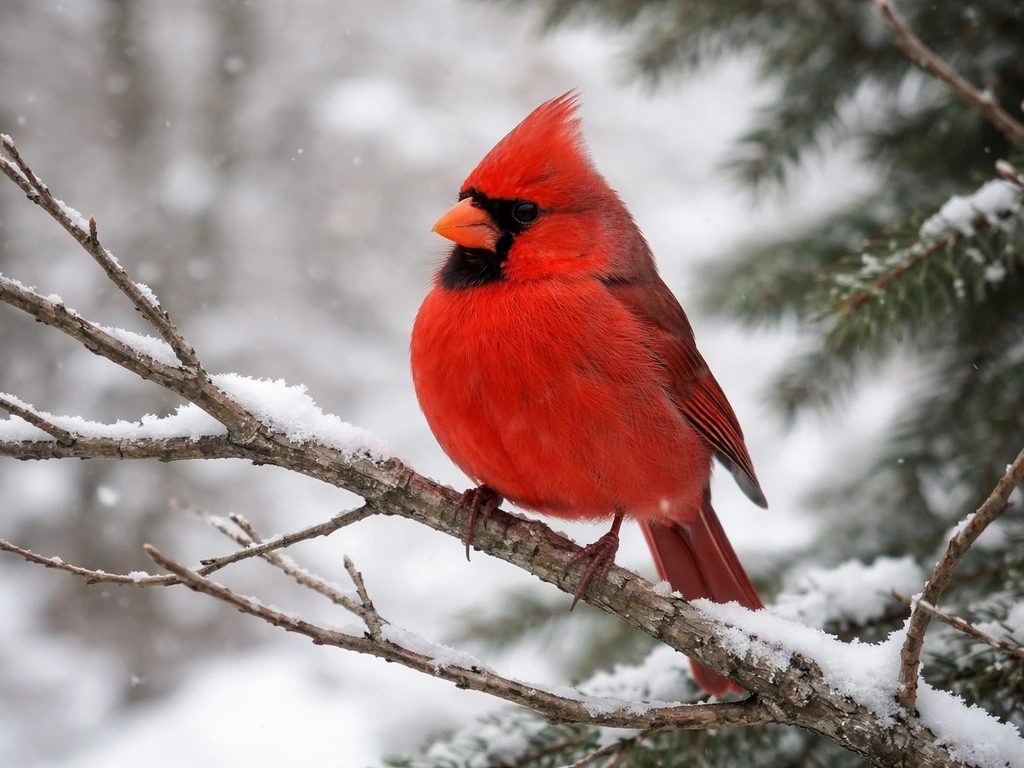
When someone searches "bird down chimney meaning," they're almost always asking one of two very different questions: either they want to know what it symbolizes or means as an omen, or they have an actual bird stuck in their chimney right now and need to know what to do. If you’re specifically wondering about the chimney bird meaning in English, the phrase can refer to both symbolism and the literal situation of a bird trapped in a flue. The honest answer is that "bird down the chimney" isn't a fixed, standardized idiom with a single agreed-upon meaning the way something like "a bird in the hand" is. But there's a rich mix of folklore, superstition, and very real practical urgency wrapped up in the phrase, and both sides are worth understanding.
Bird Down Chimney Meaning: Folklore and What to Do

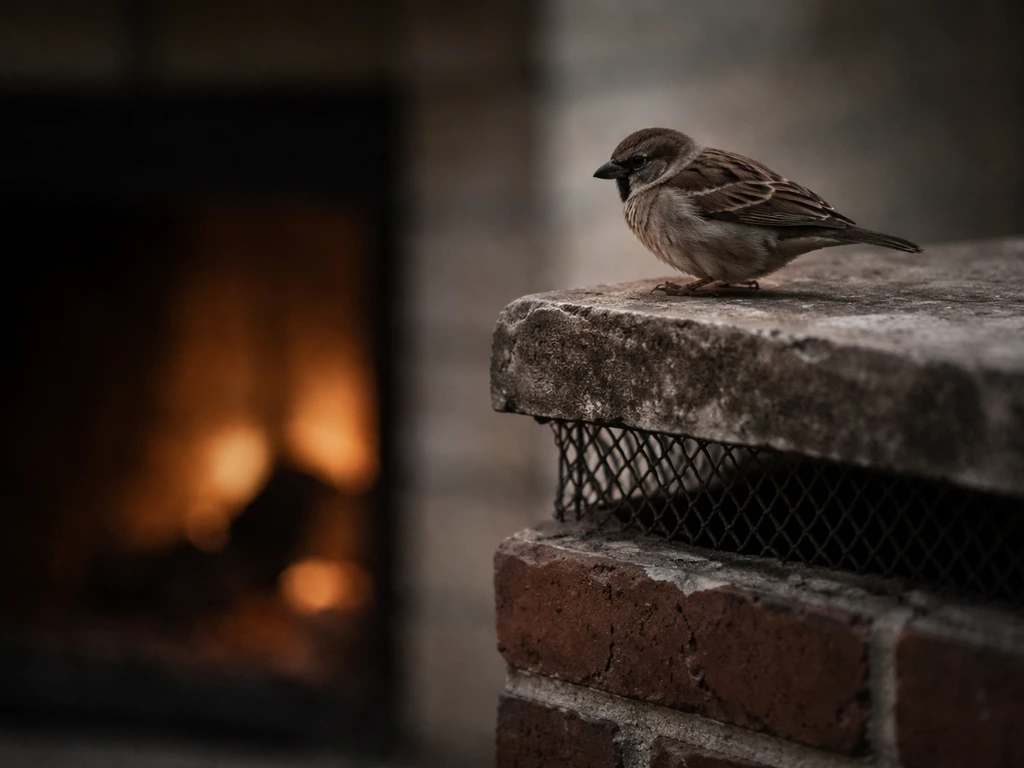
What people usually mean by "bird down the chimney"
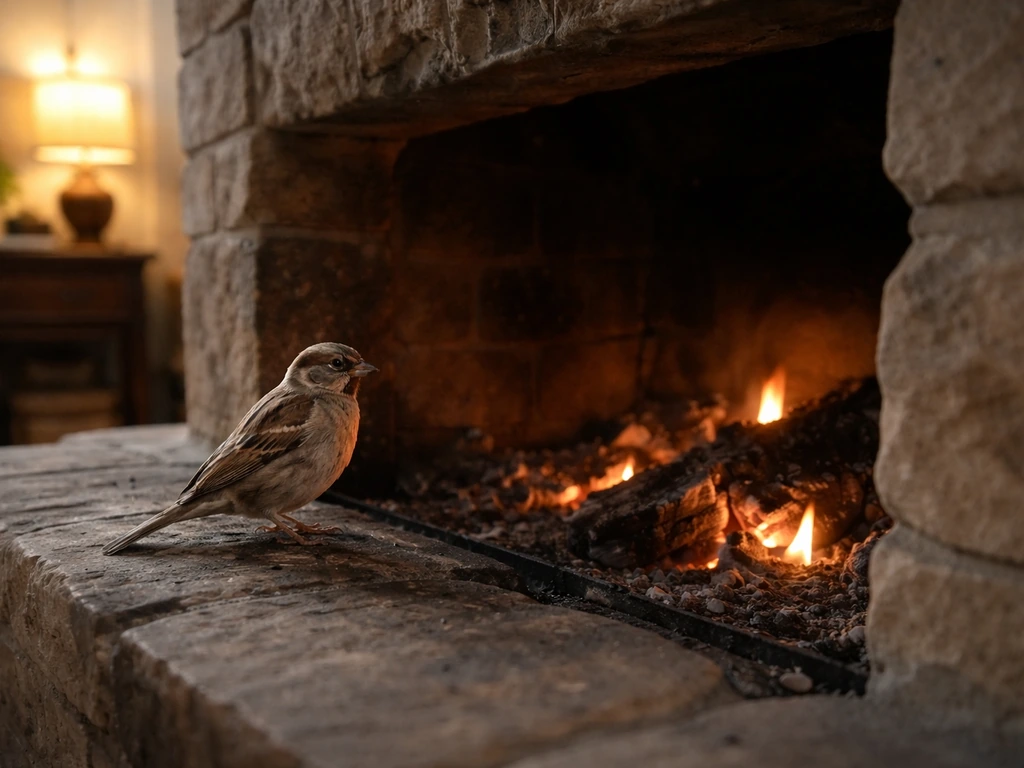
The phrase sits at a crossroads. Some people use it the way you'd use any omen-type expression: something unusual happened (a bird appeared somewhere unexpected), so it must mean something. Others are being completely literal: they heard scratching or fluttering in the chimney, and now they're panicking and typing into a search box. The search traffic for this phrase reflects both groups, which is why results tend to jump between folklore articles and wildlife removal guides.
There's no entry in standard English dictionaries or idiom references that pins "bird down the chimney" to a specific superstition the way, say, a broken mirror is tied to seven years of bad luck. What does exist is a broad, deeply human tendency to read bird behavior as messages or signs. That practice even has a name: ornithomancy, the reading of omens from birds' actions, movements, and cries. It goes back thousands of years across nearly every culture, which is exactly why people instinctively feel like a bird showing up somewhere strange must mean something.
So if you searched this phrase looking for a definitive omen-meaning, the honest answer is: the folklore around it is real and interesting, but it's drawn from the broader tradition of birds-as-messengers rather than from one specific chimney superstition. And if you searched it because there's literally a bird in your chimney right now, skip ahead to the practical sections below.
Folklore and superstitions: omens, luck, and cultural symbolism
The idea that a bird entering your home, or appearing somewhere unusual, carries a message is one of the oldest and most widespread superstitions in the world. In Appalachian and Southern US folk traditions, a bird getting inside a house is often interpreted as a sign of an impending visitor or, in more ominous versions, a death in the family. European traditions, particularly in British and Irish folklore, associate certain birds with misfortune when they appear uninvited. Owls are the classic example: in English folk tradition, an owl calling near a house was treated as a death omen for centuries.
The chimney specifically carries symbolic weight in folklore too. Chimneys are the one opening in a house that faces directly upward toward the sky, which makes them a liminal space in folk imagination: a threshold between the domestic world and whatever lies above or outside it. It's not hard to see why a bird coming down that opening, rather than through a window, might feel loaded with meaning to someone already inclined toward omen-thinking. The bird isn't just visiting. It came from above, through fire and smoke.
In practice, though, what a bird "down the chimney" means symbolically is entirely dependent on which tradition you're drawing from, which bird it is, and how you personally relate to bird symbolism. There's no single universal verdict of "bad luck" or "good luck" attached to this specific scenario. If you feel strongly that the event is meaningful, the most honest framing is that you're experiencing ornithomancy in its everyday modern form: reading an unexpected bird event as a message, which humans have been doing for millennia.
It's also worth noting that closely related searches like "bird in chimney meaning" and "chimney bird meaning in English" tend to produce the same mix of folklore and practical guidance, because the underlying question is the same regardless of the exact phrasing. If you're also searching for the broader "bird in chimney meaning" angle, the symbolism varies by tradition and the bird involved.
Which bird types might be involved and what they're often associated with
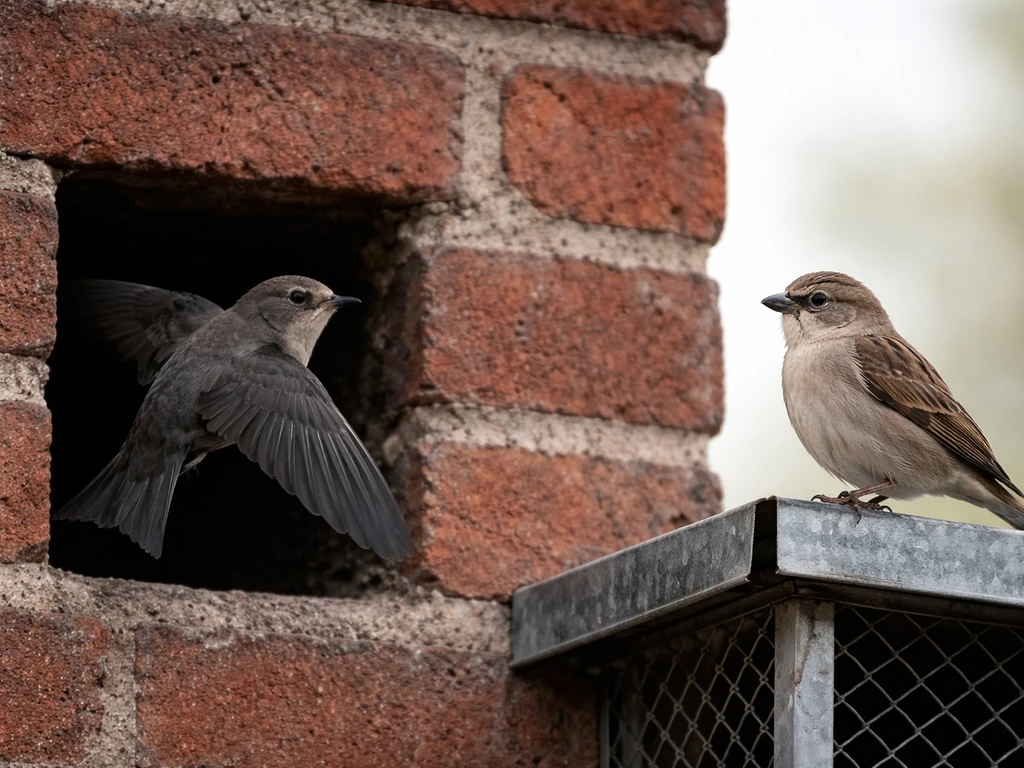
Not every bird that ends up near a chimney got there by accident. One species in particular belongs there: the chimney swift. Chimney swifts are small, fast, fork-tailed birds that evolved to roost and nest inside hollow trees, and they adopted human chimneys as a substitute habitat centuries ago. Audubon notes that chimney swift nests are built inside chimneys or similar hollow towers. A colony of chimney swifts in your flue is a real, very common phenomenon, and the sounds (a rapid, chattering cheeping, especially in summer) are unmistakable once you know what you're hearing. Importantly, chimney swifts are protected under the Migratory Bird Treaty Act in the US, which means you cannot legally remove active nests during nesting season.
Other birds that commonly end up in or near chimneys include starlings, house sparrows, pigeons, and occasionally larger birds like owls or jackdaws in the UK. Each of these carries its own symbolic weight in folklore. Owls, as mentioned, are historically connected to death omens in British and European tradition. Ravens and crows carry trickster and transformation symbolism in many indigenous and European traditions. Pigeons and doves lean toward peace and messenger symbolism. Sparrows are often connected to community, resilience, and in some traditions, the souls of the dead.
| Bird | Common chimney involvement | Folklore associations |
|---|---|---|
| Chimney swift | Intentional nesting colony | Generally positive: a sign of a healthy, welcoming home in some regional lore |
| Starling | Accidental entry, nesting in flue gaps | Mixed: intelligence and mimicry, sometimes trickster symbolism |
| House sparrow | Nesting near chimney cap | Resilience, community, and in some traditions, the souls of the deceased |
| Pigeon/dove | Roosting near top, occasional fall-in | Peace, messages, divine communication in many cultures |
| Owl | Rare but dramatic entry | Death omen in British/European tradition; wisdom in others |
| Jackdaw (UK) | Common chimney nester in older UK homes | Cunning, thievery, and ill fortune in some English folk beliefs |
If it's literal: signs a bird is stuck in or near the chimney
If you're not sure whether you actually have a bird in your chimney, here are the most reliable signs to listen and look for.
- Fluttering, scratching, or tapping sounds coming from inside the chimney flue, especially when you're near the fireplace
- A rapid, high-pitched cheeping or chattering sound in summer (strongly suggests chimney swifts)
- A single bird call or distressed chirping that seems to come from inside the wall rather than from outside
- Soot or debris falling into your fireplace that wasn't there before
- A bird appearing at the throat of the fireplace or near the damper, sometimes visibly trapped
- Smoke backing up unexpectedly when you try to use the fireplace (a blockage, potentially a nest)
- A smell of decay near the fireplace (suggesting a bird or other animal that did not make it out)
The distinction between chimney swifts (intentionally nesting, protected by law, generally not in distress) and another bird that has accidentally fallen in matters a lot here. Swifts sound busy and purposeful. A bird that's truly stuck tends to sound frantic and irregular, and the sounds are more likely to move around as the bird struggles.
Safe, practical steps to help a bird get out
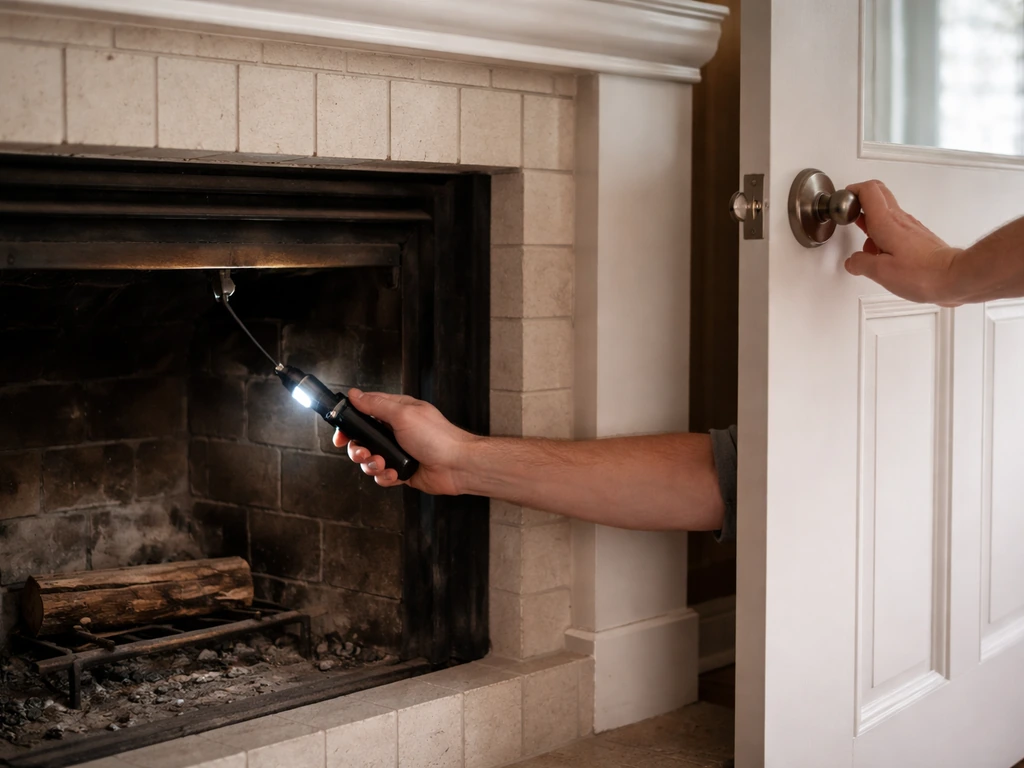
Before you do anything, stay calm and move slowly. A panicked bird in an enclosed space is going to make the situation worse if you're also panicking and making noise.
- Close the damper if you haven't already. This keeps the bird from coming all the way into your living space, which is harder to manage and more stressful for the bird.
- If the bird has already gotten past the damper and into the room: turn off all interior lights, open one exterior door or window fully, and close all other interior doors. Birds instinctively move toward light and open air, so this gives them the clearest possible exit path.
- If the bird is still in the flue and you want to try opening an exit: open the damper slowly, darken the room as much as possible, and prop the fireplace opening with a towel or sheet to guide the bird toward the open door rather than into your furniture.
- Do not light a fire. This seems obvious, but in a moment of confusion people have done it, and the results are catastrophic for the bird.
- Do not try to grab the bird with your hands if it's free in the room. You can injure it and injure yourself. Guide it toward the exit using a light sheet or by moving slowly to herd it.
- If the bird seems injured (not flying, not responsive, sitting still on the floor), place it gently in a cardboard box with air holes, keep it in a dark, quiet place, and contact a licensed wildlife rehabilitator.
- If you suspect it's a chimney swift colony and not a solo lost bird, do not attempt to remove or disturb the nest during active nesting season (typically May through August in the US). Contact a wildlife professional who understands the legal protections involved.
The light-and-exit strategy recommended by wildlife experts works surprisingly well for small birds because their navigation instincts are so strongly tied to light. Darkening the interior and leaving one lit exit open stacks the odds heavily in your favor. Give it at least 30 minutes before escalating.
Prevention tips and when to call a professional
The single most effective preventive step is a properly fitted chimney cap with mesh screening. A good cap keeps birds, squirrels, and raccoons out while still allowing smoke to vent freely. Mesh size matters: too large and small birds can still get through, too small and it can clog with debris. A quarter-inch to half-inch galvanized steel mesh is typically recommended for bird exclusion. Have the cap inspected annually, especially after storms.
One important caveat: if you have chimney swifts, a blanket exclusion cap installed during nesting season is illegal under the Migratory Bird Treaty Act. If swifts are present, you need to wait until after the nesting season (generally after October in the US) and then install the cap. Some conservation organizations actually encourage people to leave suitable chimneys open for swifts, since the species has declined sharply as old-style open chimneys have disappeared. A chimney swift tower (a specially designed wooden post structure) is a worthwhile alternative if you want to provide habitat while still capping your actual chimney.
Call a professional in these situations:
- The bird has been in the chimney for more than 24 hours and your exit strategies haven't worked
- You suspect an injured bird but are not confident handling it safely
- There is a nest with eggs or chicks involved (do not disturb this without professional guidance)
- You smell decay, suggesting a bird or animal has died in the flue
- The sounds suggest multiple birds or a colony rather than a single lost bird
- You're unsure whether you're dealing with a protected species
For a trapped or injured bird, contact a licensed wildlife rehabilitator (in the US, the National Wildlife Rehabilitators Association directory is a good starting point; in the UK, the RSPCA handles trapped wild bird calls). If you have a trapped wild bird in a chimney, follow the RSPCA’s welfare-focused “what to do” guidance and avoid unsafe or incorrect handling trapped wild bird calls. For chimney inspection, repair, and cap installation, a certified chimney sweep is your best resource. Wildlife removal professionals who specialize in nuisance animal control can handle situations involving nests or colonies. These aren't jobs to improvise if you're unsure, both for your safety and the bird's welfare.
Whether a bird down your chimney feels like an omen or just an inconvenient Tuesday, the practical and symbolic sides of this situation are both real. The folklore tradition of reading meaning into unexpected bird encounters is ancient and genuinely fascinating. But the bird in your flue right now doesn't care about its symbolic significance. It needs a way out, and the steps above will help you give it one.
FAQ
Is “bird down chimney meaning” a universal omen (good or bad)?
No, the phrase usually does not point to a single fixed omen. Most “meaning” comes from broader bird-omen traditions (ornithomancy) and from what specific species did, which means two households can interpret the same event very differently.
How can I tell if it’s a chimney swift nesting problem versus a truly trapped bird?
Chimney swifts often appear “like they’re down there” even when they are not trapped, they are commonly nesting or roosting in the flue. If the sounds are chattering, especially in warm months, treat it as a likely nesting situation and avoid exclusion until after nesting season.
What should I do if the bird does not leave after trying the light-and-exit strategy?
If you find that the bird is still inside after 30 minutes of light-and-exit attempts, or if it looks injured or clearly unable to fly, stop DIY efforts and call a licensed wildlife rehabilitator. Ongoing attempts can exhaust the bird and can also increase injury risk.
Can I just install a chimney cap immediately after the incident?
Do not seal the chimney right away if you suspect active birds. For chimney swifts in the US, many exclusion actions during nesting season can be illegal, so the safest approach is to identify the bird and confirm whether nesting is active before installing a cap.
What if it might not be a bird, how do I avoid misidentifying the animal?
Yes, other wildlife can create similar symptoms. Scratching can be squirrels, and larger birds can wedge themselves near the damper, so confirm by listening for timing and pitch, then consider a chimney sweep inspection if there is any uncertainty.
What if my chimney has multiple flues, how do I know which one the bird is in?
If you have a multi-flue setup, make sure you know which opening the sound is coming from. Closing or opening the wrong damper can trap an animal in a different passage, especially if more than one flue exists.
Are there any safety steps I should take before trying to help the bird?
For a quick safety check, keep kids and pets away and do not reach into the flue. Use only the recommended light-and-exit approach first, and if you need tools or ladders for access, wait for a professional to avoid falls and burns.
What if I can’t identify the bird species, what’s the safest next step?
If you cannot confirm the species, treat it conservatively as wildlife and avoid removal or nest disruption. For the US, wildlife rehabilitators and nuisance wildlife professionals can help determine whether legal restrictions apply.
What’s the right response if the bird looks injured versus just scared?
If the bird is visibly injured, a rehabilitator should handle it. If it is not injured but seems grounded or exhausted, still avoid repeated chasing, instead focus on a single calm exit attempt and then get professional help if it fails.
Once it’s out, what preventive steps actually reduce repeat visits?
After the immediate situation resolves, prevention focuses on the chimney cap fit and ongoing maintenance. Plan an annual inspection after storms and clean up any debris that could block airflow, since a partially clogged cap can create new entry routes.
Santa Claus Bird Meaning: Symbolism, Identity, and How to Tell It
Learn the santa claus bird meaning: identify the right bird and what it symbolizes for holiday cheer, generosity and arr