A bird in the chimney is almost always a real, literal situation first: an actual bird has found its way into your flue and needs help getting out. But the phrase also carries a long trail of symbolic weight, from folklore about omens and blocked paths to a literary proverb about things that know your secrets before you do. Whether you heard a scratching sound behind your fireplace or stumbled on the phrase in a story, this guide covers both angles so you can figure out exactly what you're dealing with and what to do next.
Bird in Chimney Meaning: Symbolism and What to Do Now

Marcus Whitmore
15 Jun 2026
What 'bird in the chimney' usually means
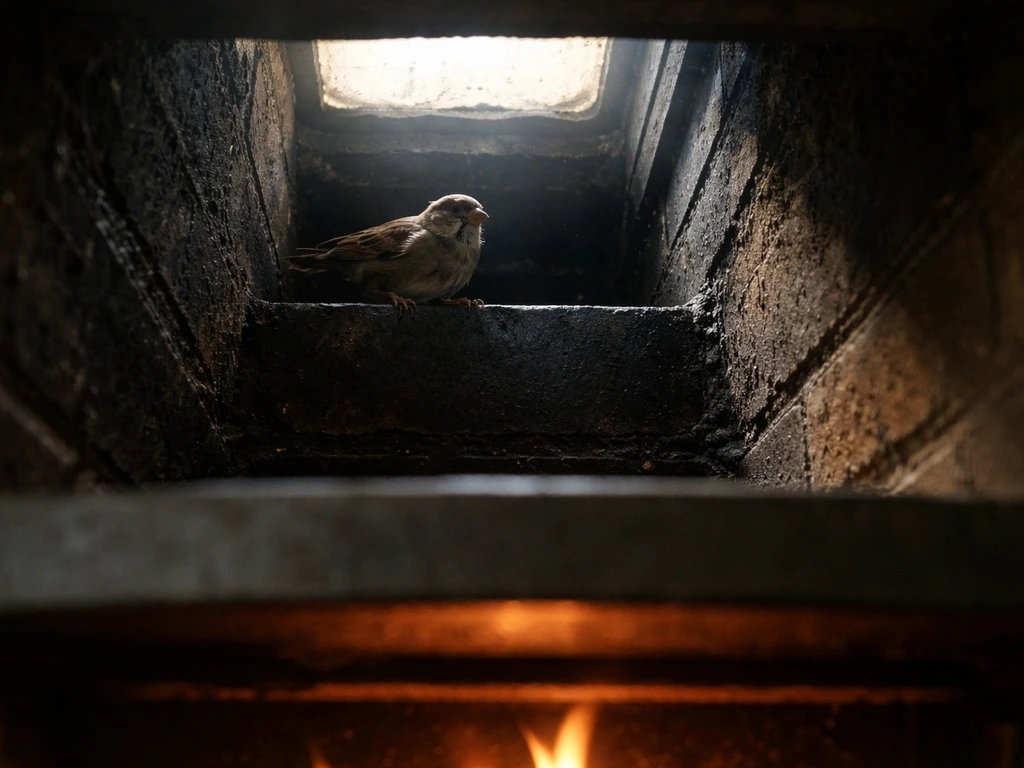
In everyday usage, 'bird in the chimney' almost always refers to the literal scenario: a bird has entered or become trapped in a residential chimney flue. It is one of the more common wildlife-in-the-home situations homeowners face, particularly in spring and summer when birds are actively nesting. Chimney swifts, in particular, have become so dependent on chimneys as nesting and roosting structures that wildlife agencies from Connecticut and Massachusetts to Maryland and Wisconsin have produced official guidance dedicated specifically to them. The U.S. Fish and Wildlife Service notes that chimney swifts return to the same chimney year after year, so if you've heard chattering sounds coming from your fireplace during warm months, swifts are a very likely explanation.
As a figurative phrase, 'bird in the chimney' is less fixed than a formal idiom, but it does appear in literary and folkloric contexts. A WordReference forum thread documents the full proverb line: 'It is one thing to deceive a king, and quite another to hide from the cricket in the rushes and the little bird in the chimney,' suggesting a creature so embedded in a domestic space that nothing escapes its notice. It frames the chimney bird as a silent witness, something that knows what happens in the house. In English, the phrase “chimney bird meaning” is often used to ask what the saying implies, either literally or symbolically. That image has filtered into broader symbolism over the centuries.
Literal vs. figurative: how to tell which one you're dealing with
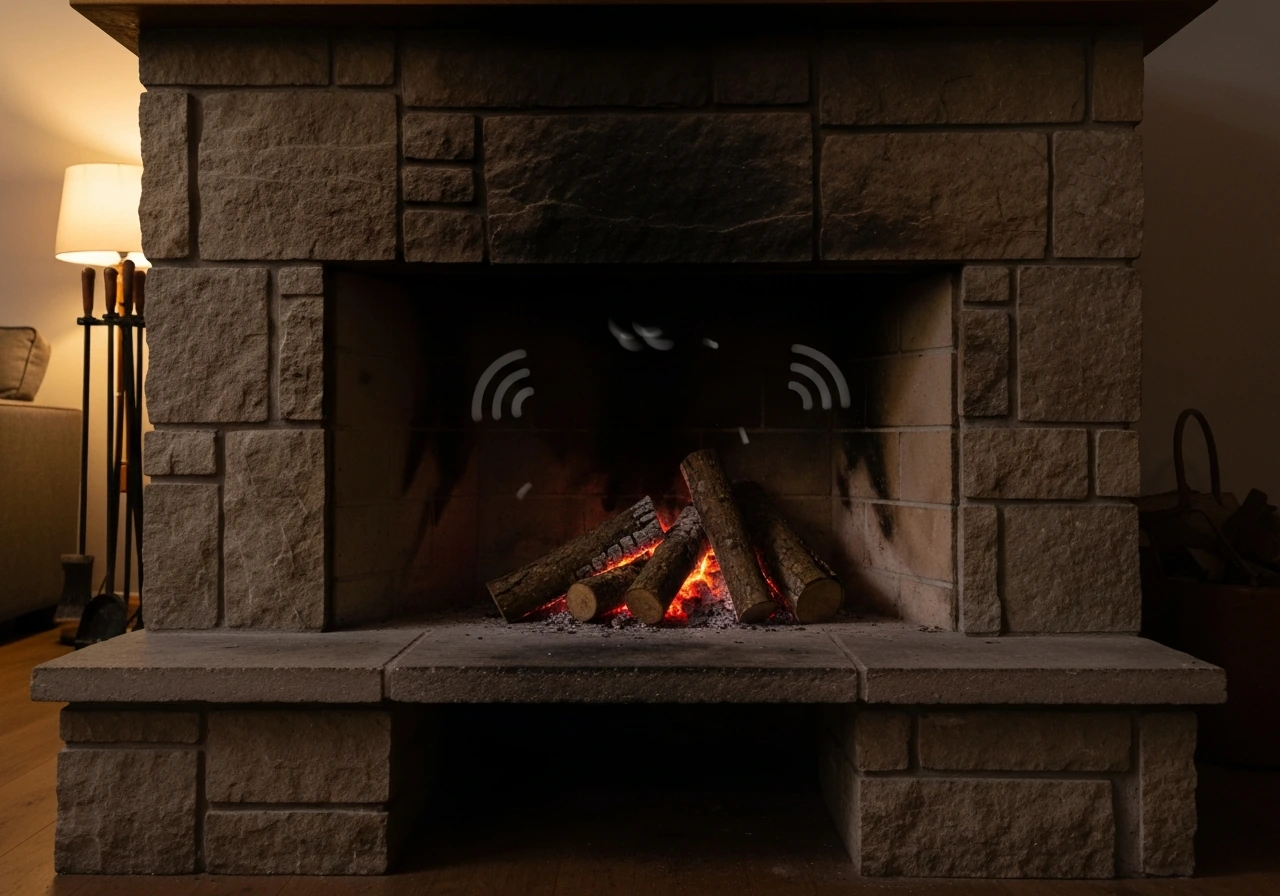
The fastest way to know which reading applies is to ask: where did you encounter the phrase? If you heard scratching, fluttering, or a distressed call coming from your fireplace or flue, you have a literal bird situation that needs action today. If the phrase appeared in a book, a dream interpretation article, a spiritual blog, or a piece of poetry, you're in symbolic territory. Both are worth taking seriously, but they call for completely different responses. Sooty Rescue (Raptor Center news) notes that the University of Minnesota Raptor Center describes a real case where a homeowner noticed a distressed bird sound when lighting a fire and called The Raptor Center, which helped with rescue after placing a flashlight and identifying the bird.
| Scenario | Clues | What it means |
|---|---|---|
| Literal | Scratching/fluttering sounds, soot fall, distressed chirping from the fireplace area | A real bird has entered the flue and may be trapped or nesting |
| Figurative/symbolic | Phrase appears in a story, dream, omen list, or spiritual context | Carries themes of secrecy, omens, blocked paths, or surprise messages |
| Literary/proverbial | Appears as part of a longer quoted line or proverb | The chimney bird as silent domestic witness, a thing that knows household secrets |
Bird idioms and related slang worth knowing
Birds in enclosed or domestic spaces appear across a surprising range of idiomatic language. 'A little bird told me' is the most widely recognized: a mysterious, unseen informant passed along private information, much like the chimney bird that hears everything from inside the walls of the house. Many people also search for the bird in christmas tree meaning as a separate seasonal symbol chimney bird. The proverb connection is direct here. There is also 'bird in a gilded cage,' meaning someone trapped in comfort but without freedom, which shares the 'bird in an enclosed structure' structure. 'Bird down the chimney' is a closely related phrase that tends to emphasize the surprise and disruption of an unexpected arrival, while 'chimney bird' as a standalone term in English can simply refer to the chimney swift by description. If you are wondering about the bird down the chimney meaning, it usually points to an unexpected arrival that changes the mood or situation fast.
In British English slang, 'bird' commonly means a person (often a woman, though broadly used for any person in casual speech), so 'bird in the chimney' could theoretically be playful slang for someone hiding in or around a house. Context almost always makes the intended meaning clear, but it is worth keeping in mind if you encountered the phrase in informal British writing or dialogue. It sounds like there are birds stuck in my chimney. What should I do? notes that cornell Lab of Ornithology’s All About Birds recommends humane, low-intervention steps such as turning off lights, opening a door, and opening the flue so the bird can see the exit; if that fails, contact a licensed rehabilitator or nuisance wildlife control officer.
What a bird in the chimney symbolizes
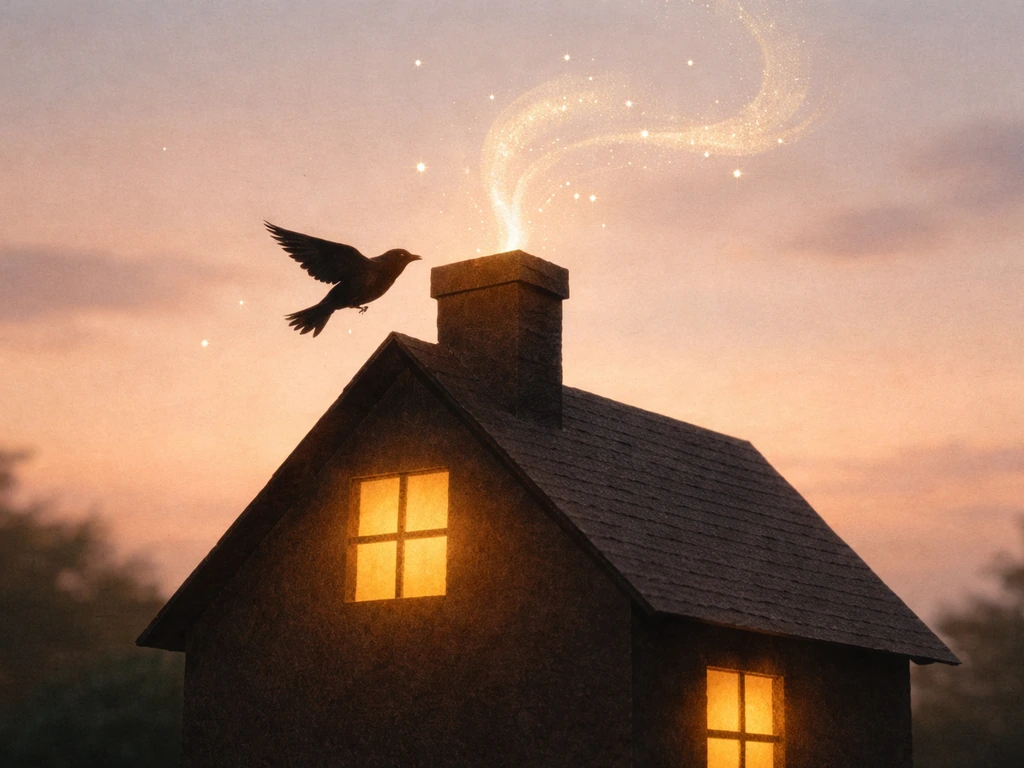
Across cultures, a bird entering a home, including through a chimney, is often read as a message or omen, though interpretations conflict depending on the tradition. Some folklore treats it as good news arriving unexpectedly, a messenger from beyond the everyday. Other traditions read it as a warning or a sign of disruption ahead. Neither interpretation is universally 'correct,' and the honest answer is that the meaning is shaped as much by the bird's species and behavior as by the cultural lens you bring to it.
Chimney imagery on its own carries positive associations in Western folklore. Chimney sweeps have long been considered symbols of good luck, a tradition still visible in wedding customs across parts of Europe. A chimney, as the warm heart of a home, represents domesticity, safety, and the threshold between the inside world and the outside one. A bird descending through it, then, becomes a figure that crosses that threshold, bringing something from outside into the private interior. Whether that 'something' is a message, a disruption, a blessing, or a warning depends entirely on context.
The specific bird species matters enormously in symbolic readings. Chimney swifts, the bird most commonly associated with chimneys in North America, are described by the American Bird Conservancy as a 'symbol of summer,' evoking warmth, return, and continuity. An owl in the chimney, by contrast, carries older and darker associations in many traditions, connected to hidden knowledge, nocturnal secrets, and sometimes death or transition. A sparrow suggests humble domesticity. A crow might suggest a message with weight to it. If you are working with the phrase in a symbolic or dream context, the species is the first detail to pin down.
- Chimney swift: summer, return, continuity, reliance on domestic structures
- Owl: hidden knowledge, secrets, transition, things unseen
- Sparrow: humble domesticity, simplicity, overlooked importance
- Crow or raven: messages, intelligence, things that need to be noticed
- Unknown/generic bird: surprise arrival, threshold crossing, information coming in from outside
What to do next: practical steps for each interpretation
If it's a real bird in your chimney
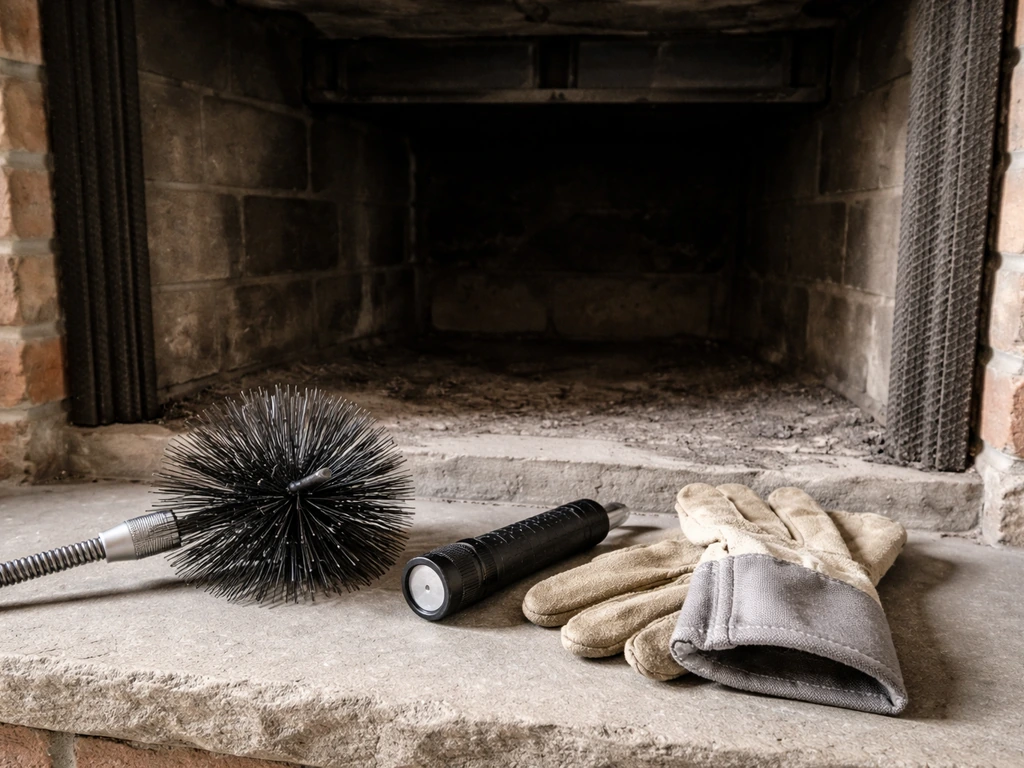
The first and most important rule: do not light a fire. Lighting the fireplace when a bird is in the flue can expose the animal to smoke and heat, and if there is nesting material present, it can also create a fire hazard. A bird-related fire risk is real: nests are made of flammable materials, and old nesting debris lodged in a flue can partially block smoke release and even ignite.
Next, figure out where the bird actually is. If it is still in the upper flue (you can hear it but it has not dropped into the firebox), Cornell Lab of Ornithology recommends turning off all lights in the room, opening the damper fully, and opening a nearby door or window so the bird can see a light source and find its own way out. Many birds will self-rescue with this approach. If the bird has already fallen into the firebox below the damper, the guidance from Maryland DNR is useful: a fully feathered bird can often be allowed to climb back up into the chimney on its own if you open the damper and give it time.
If those low-intervention steps fail, the next move is to darken the room, place a lit flashlight near the fireplace opening to guide the bird toward light, and if necessary, gently use a cardboard box to contain the bird so it can be released outside. The Wisconsin Humane Society and Cornell Lab both recommend contacting a licensed wildlife rehabilitator if the bird appears injured, is a juvenile that cannot fly, or if you simply cannot safely resolve the situation yourself. For multiple birds or an active nest, professional removal is almost always the better call.
- Do not light a fire under any circumstances
- Determine whether the bird is in the upper flue or the firebox
- Turn off interior lights and open a door or window near the fireplace
- Open the damper fully so the bird can see light and navigate upward
- If the bird is in the firebox, try the flashlight/cardboard box approach in a darkened room
- If it does not resolve in a reasonable amount of time, call a licensed wildlife rehabilitator or nuisance wildlife control officer
- For nesting situations or multiple birds, contact a professional chimney service or wildlife removal company
If you're working with the symbolic or figurative meaning
Start by identifying the context: is this a dream, a phrase in a book, a cultural omen you heard about, or a spiritual sign someone mentioned? Then identify the bird species if possible, since that shapes the interpretation significantly. From there, lean into the threshold symbolism: a bird in the chimney, in a figurative sense, almost always represents something crossing from outside into the private interior of your world. That might be a message arriving, an unexpected disruption, or something from your subconscious trying to get your attention. The proverb context (the bird as a witness that knows your secrets) adds another layer: it can suggest that something hidden is about to be known, or that the walls of a situation are thinner than they seem.
When to worry: safety and keeping birds out
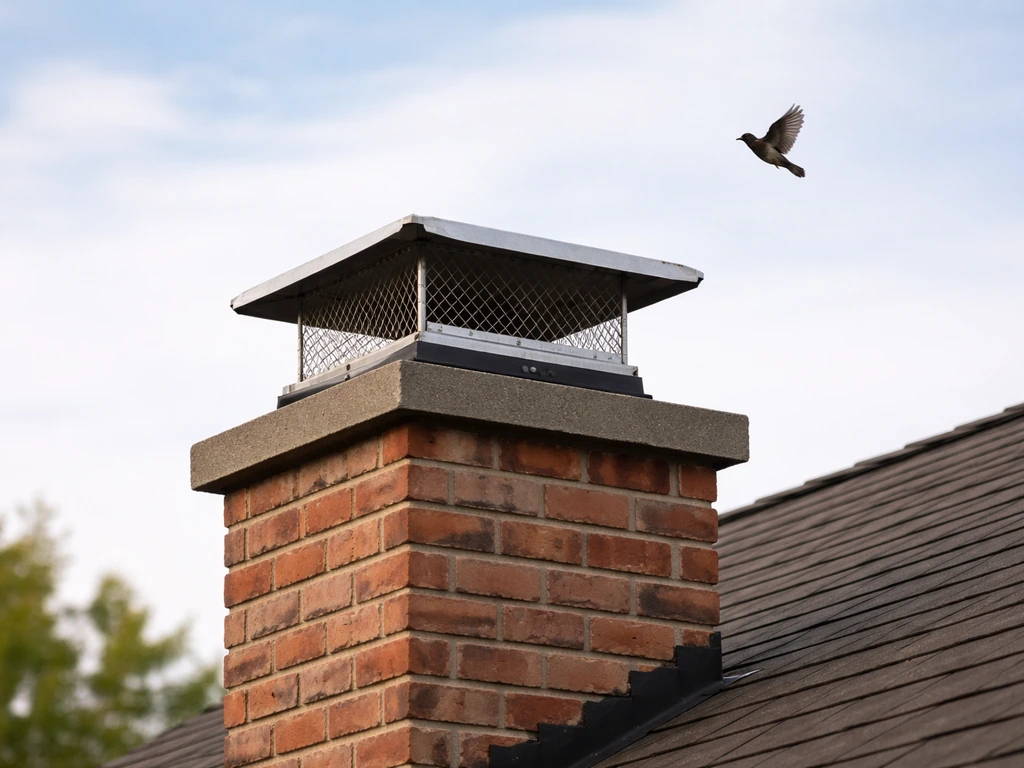
The genuine risks with a literal bird in the chimney are worth taking seriously. Nesting materials inside a flue are flammable, and using the fireplace with a nest present can start a chimney fire. If you suspect an active chimney fire, the guidance from fire safety resources is clear: call the fire department immediately, as chimney fires can spread to the broader structure and cause serious overheating. Beyond fire, a bird trapped without exit will not survive indefinitely. A licensed rehabilitator or nuisance wildlife control officer should be called promptly if your own efforts to guide the bird out are not working.
One important legal note: chimney swifts are protected under the Migratory Bird Treaty Act in the United States. This means that once a swift is actively nesting in your chimney, you cannot legally disturb or remove the nest until the nesting season is over, typically by late summer. Wildlife agencies in Massachusetts, Connecticut, Maryland, Wisconsin, and other states all reflect this in their guidance. The practical upshot is that prevention matters more than removal: a properly fitted chimney cap or wire mesh guard, installed before nesting season begins, is the most effective and legally safe way to keep birds out going forward.
If you want to prevent future incidents without harming the birds, having a certified chimney sweep inspect and cap your flue in early spring, before swifts return from migration, is the recommended approach. Some homeowners who value the swifts' ecological role (they consume enormous quantities of flying insects) choose to install a dedicated chimney swift tower nearby as an alternative nesting site. It is a genuinely bird-friendly solution that keeps everyone, bird and homeowner alike, out of a difficult situation.
Whether you end up reading 'bird in the chimney' as a real triage situation or as a symbol of something crossing your threshold uninvited, the through-line is the same: pay attention, respond thoughtfully, and don't ignore it. In some holiday folklore, the name Santa Claus bird is also linked to ideas about goodwill and seasonal messages that arrive at just the right time bird in the chimney. Both interpretations, practical and figurative, reward that approach.
FAQ
What should I do immediately if I hear tapping or fluttering in my chimney but I cannot see a bird anywhere?
Treat it as a live flue situation. Don’t use the fireplace, keep the room dark except for one clear exit path (open the damper fully, open a nearby door or window so the bird can see outside light), and wait briefly. If you still can’t locate or confirm it after multiple attempts, contact a licensed wildlife rehabilitator rather than guessing.
How can I tell whether the bird is still in the upper flue versus already in the firebox?
The key is sound and visibility. If sounds are high and intermittent and you cannot see movement near the grate, it is more likely still in the upper flue. If you see feathers, movement near the fireplace opening, or louder frantic fluttering at the level of the firebox, it may have fallen past the damper. If you are unsure, use the “dark room plus fully open damper” approach first.
Is it safe to use a heat source like a space heater or to turn on nearby lights to encourage the bird out?
Avoid heat and avoid creating extra smoke. A space heater can add heat stress and, more importantly, if you light anything or run fans that pull air through the flue you can worsen the situation. The simplest method is a fully open damper, minimal room lighting, and a single outside light source to provide orientation.
Can I trap the bird in a humane way if it won’t exit on its own?
Yes, but do it carefully. Darken the room, use a flashlight positioned near the fireplace opening (not directly in the bird’s eyes), and use a clean cardboard box with slow, non-panicked movement. Release the bird outside promptly. If the bird appears injured or unable to fly, switch to calling a wildlife professional instead of attempting repeated handling.
What if there are multiple birds, or I suspect an active nest?
Assume it is more than one animal and do not attempt removal. Multiple birds and nesting activity raise both fire risk (nest debris in the flue) and legal risk, especially for chimney swifts. In that case, contact a nuisance wildlife control operator or wildlife agency guidance for your area, and avoid disturbing the chimney until professionals advise.
Are there times of day when I should not try to intervene because it will confuse the bird?
If you can, intervene when you can control the light and open windows safely. Night attempts can be harder because outside light sources are less predictable. During the intervention, avoid turning on many indoor lights, which can distract the bird away from the open exit path.
What if the bird looks injured, wet, or very young (unable to fly)?
That is a strong “do not DIY handling” signal. Place the area under control so children and pets stay away, keep it dark and calm, and contact a licensed wildlife rehabilitator. Injured birds can also scratch or bite when cornered, and improper care can reduce survival chances.
Do I need to worry about a chimney fire even if I only noticed a bird?
Yes, because bird nesting material and debris can partially block flue flow and create ignition risk. If you notice smoke backing up into the room, a strong burning smell, unusual popping or roaring, or visible flame in the chimney, treat it as an active chimney fire and call the fire department immediately.
Is “bird in the chimney meaning” always an omen, or can it just be a practical issue?
In daily life it is often literal, especially when you have sounds or fluttering coming from the fireplace. If the phrase came from a dream, story, or spiritual discussion, then symbolic reading may fit. A useful decision rule is context first: real-time physical signs favor the literal interpretation; purely narrative or dream settings favor symbolism.
If I’m using the phrase symbolically in a dream or writing, does the bird species change the interpretation?
It can, so it’s worth pinning down. Common symbolic layers often shift with species, for example chimney swifts being associated with return and continuity, while owls are more likely to be tied to hidden knowledge or transition. If you cannot identify the species, focus on the behavior (e.g., trapped, entering, escaping) rather than only the setting.
What prevention works best if I want to avoid birds getting into the flue again, and is it legal for protected species?
A chimney cap or properly sized wire mesh guard is usually the best prevention, because it blocks entry without removing animals. For protected birds like chimney swifts in the U.S., prevention is the safe approach, and removal or disturbance during active nesting can be unlawful. Have a certified chimney sweep inspect early in spring before nesting season begins.
Should I attempt to install or adjust a chimney cap after a bird event has already happened?
Wait until the situation is over and you have assessed nesting status. If you suspect nesting or active occupancy, consult your local wildlife guidance or a professional before making changes, because timing can affect legality. Once confirmed clear, schedule a cap inspection or replacement so the same entry route cannot happen again.
Next Article
War Bird Meaning: Literal, Slang, and Historical Uses
Understand war bird meaning: literal, slang metaphor for fighters, and historical bird symbolism, plus close phrase comp