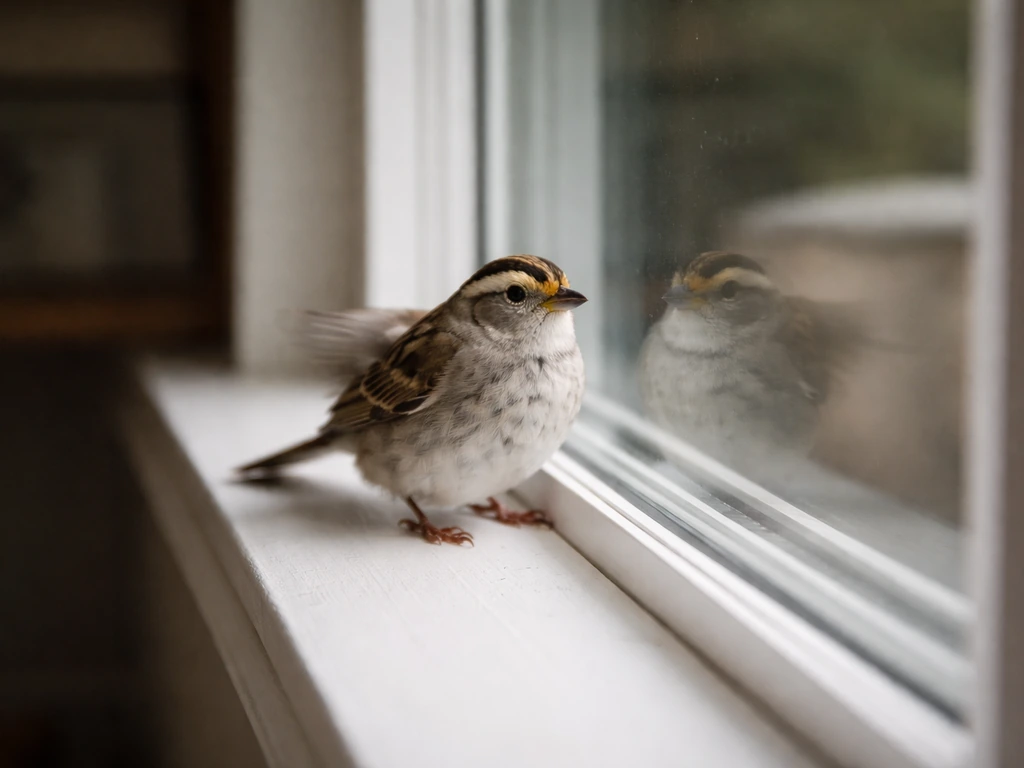
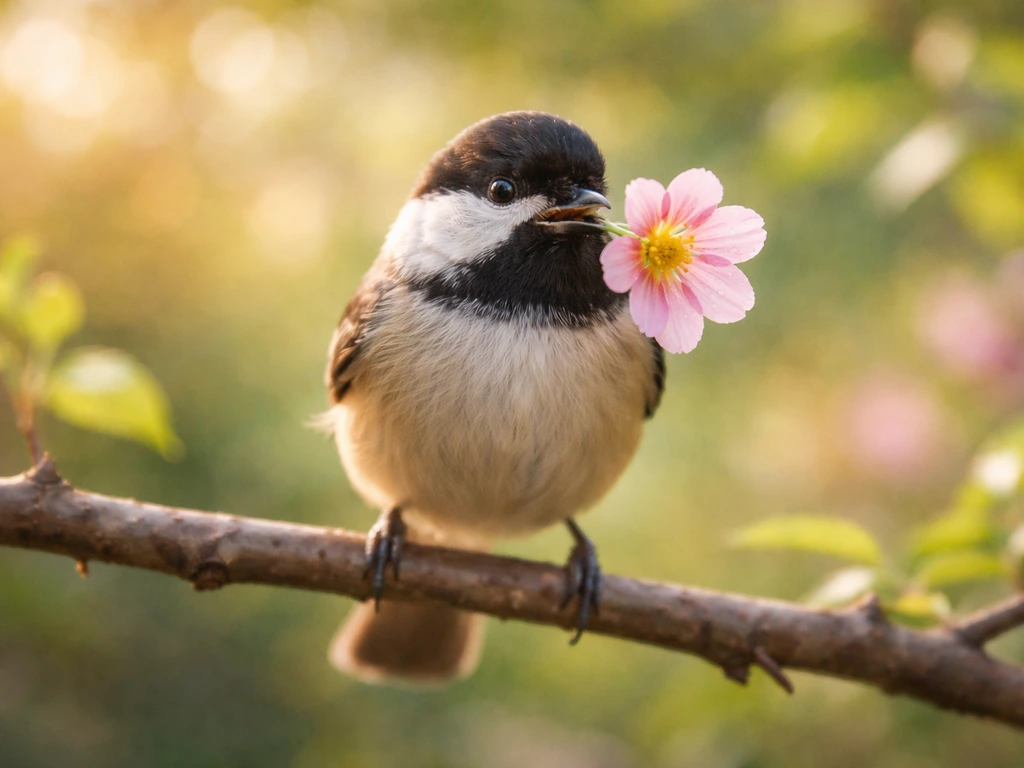
A bird with a flower in its mouth almost always signals something being offered or carried with intention: love, hope, peace, or new beginnings. The most common default interpretation is romance or courtship, especially in tattoo art and decorative imagery, but the meaning shifts significantly depending on which bird you're looking at, which flower it's holding, and the cultural tradition the image comes from. Get those three details right and you can move from a vague "it feels meaningful" to a confident, specific reading.
Bird with Flower in Mouth Meaning: Symbolism and Species

Marcus Whitmore
2 Jun 2026
What most people mean when they search for this
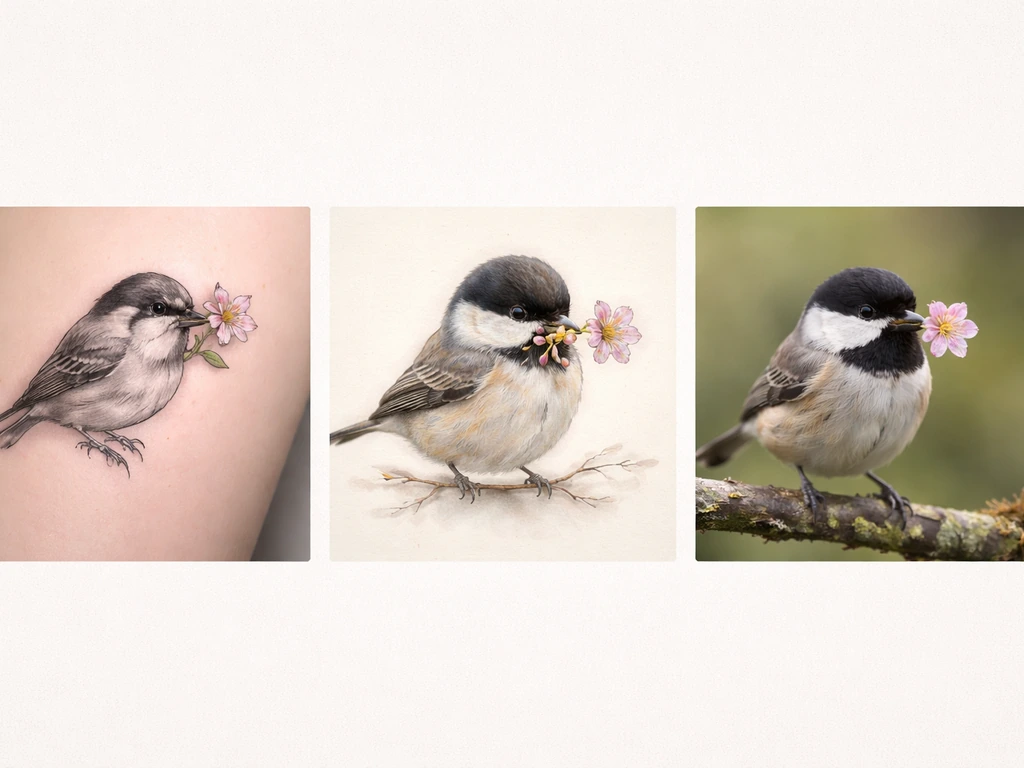
When someone types "bird with flower in mouth meaning" into a search engine, they're usually looking at an image and trying to decode it. That image might be a tattoo they're considering, a piece of wall art, a greeting card, a meme, or a photo someone sent them. The gut-level question is almost always one of two things: does this mean love, or does it mean something deeper like peace, spirituality, or remembrance? The honest answer is it can be all of those, but romance and the idea of gifting or carrying something precious are the most common starting points in Western and East Asian visual culture alike. Think of it as the bird acting as a messenger: whatever it's carrying in its mouth is the message.
It's also worth knowing that the image type matters. A realistic photo of a bird carrying a flower petal is a different thing from a stylized tattoo or a traditional East Asian painting. The symbolic weight is much heavier in intentional art than in a nature photograph, where the bird is probably just doing something birds do. Keeping that distinction in mind will save you from over-reading a nature shot or under-reading a carefully composed piece of visual art.
How to identify the bird (and why species changes everything)
The species is the single biggest factor in narrowing down meaning. A white dove holding vegetation lands in a completely different symbolic territory than a magpie perched on a plum blossom, even though both are technically "bird with plant in mouth" images. Here are the most commonly depicted birds in this kind of imagery and what each one typically signals:
| Bird | Common depiction | Primary symbolic association |
|---|---|---|
| White dove | Holding an olive branch or white flower in beak | Peace, hope, divine grace, new beginnings |
| Swallow | Carrying nesting material, petals, or twigs | Loyalty, homecoming, spring, new life |
| Magpie | Perched on or holding plum blossom | Good luck, joy, auspicious news (East Asian traditions) |
| Sparrow or finch | Holding a small blossom or petal | Simplicity, everyday love, resilience |
| Hummingbird | Hovering near or appearing to sip from a bloom | Joy, vitality, presence in the moment |
| Generic stylized bird | Carrying a rose or wildflower | Romance, emotional offering, personal meaning |
If you're looking at a real photograph and can't identify the species, the fastest tools right now are Merlin Bird ID from the Cornell Lab of Ornithology (free, photo-based, and surprisingly accurate) and iNaturalist, where you can upload a photo and get both AI suggestions and community confirmation. Both are free and work on mobile. If the image is stylized art rather than a photo, the species might be intentionally ambiguous, in which case you focus on the flower and the overall visual language for meaning clues instead.
One behavioral note worth keeping in mind: swallows really do carry nesting materials in their beaks, including plant fibers, hair, and small debris, as part of nest construction during breeding season. This matches the U.S. Fish & Wildlife Service description of swallows collecting mud (often from old nests) and forming nests with mud pellets and other nesting material during nesting collecting mud where old nests existed and constructing nests out of mud pellets, hair, and other materials. So a swallow carrying what looks like a twig or petal in a nature image is probably just nesting, not performing some symbolic act. That same realistic behavior is what makes swallow imagery so effective in tattoos and art: it's grounded in something real and active.
Reading the flower (symbolic clues by bloom type)
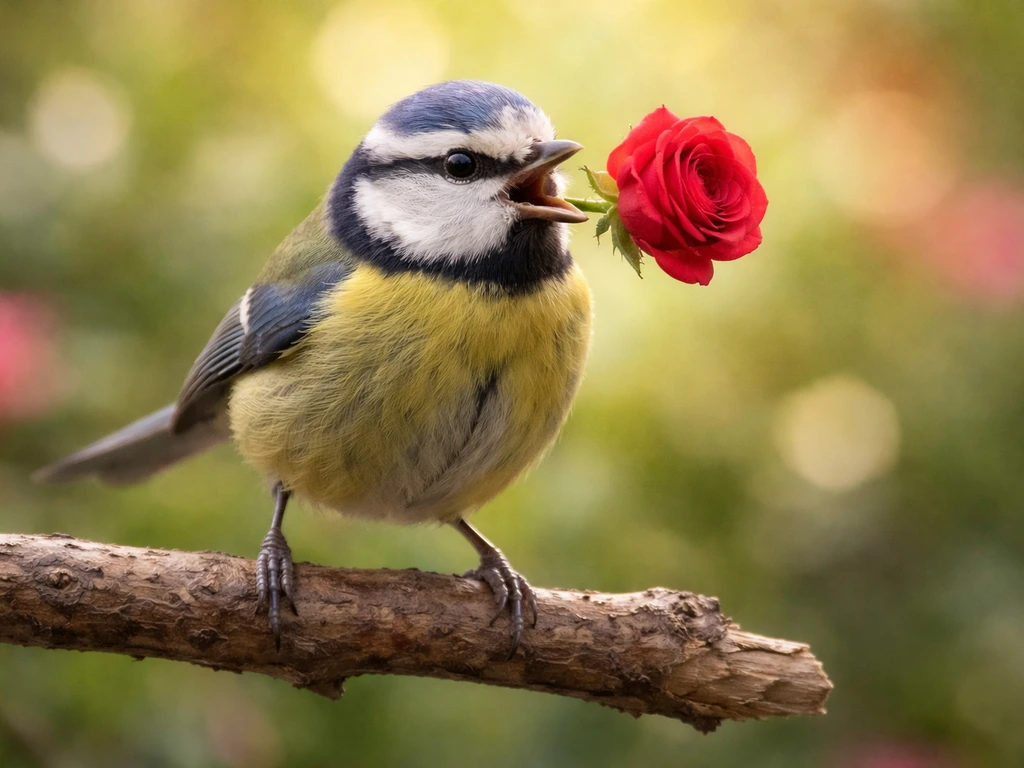
Once you have a handle on the bird, look at the flower. Different blooms carry radically different symbolic weight, and many image-makers choose them deliberately. Here's a practical breakdown of the flowers you're most likely to see in these images:
| Flower | Core symbolism | Common pairing context |
|---|---|---|
| Rose (red) | Romantic love, passion, deep emotion | Tattoos, Valentine imagery, Western romantic art |
| Rose (white) | Purity, innocence, remembrance, spiritual love | Mourning imagery, spiritual or religious art |
| Olive branch/leaves | Peace, reconciliation, divine favor | Dove imagery, Christian iconography, diplomacy |
| Plum blossom | Resilience, perseverance, hope in adversity, spring renewal | East Asian art, magpie pairings, new year imagery |
| Cherry blossom | Transience, beauty, the fleeting nature of life | Japanese-influenced tattoos, memorial imagery |
| Wildflower or generic bloom | Freedom, natural beauty, everyday joy | Folk art, casual decorative imagery |
| Lotus | Spiritual awakening, purity rising from muddy circumstances | Buddhist-influenced art, meditation imagery |
A rose held upside down in some visual traditions shifts the meaning from celebration to mourning or respect for the dead, so the orientation and condition of the flower can matter as much as the species. A wilted or falling flower typically signals loss or remembrance rather than joy. A fresh, full bloom almost always reads as an offering of something positive.
How meaning shifts depending on where you see the image
Tattoos
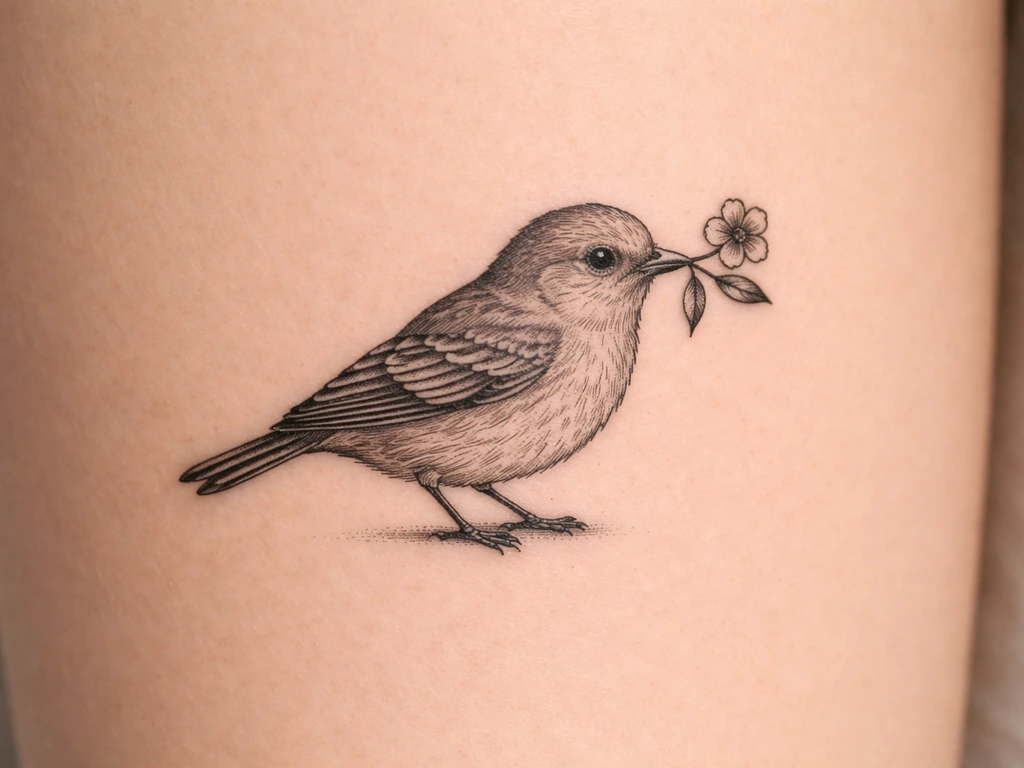
In tattoo culture, a bird with a flower in its mouth is almost always a personal symbol of love, devotion, or emotional carrying: the idea that the bird is bringing something precious to someone or something. Swallows with roses are a classic sailor tattoo tradition, representing returning home and love that endures. A hummingbird with a bloom reads as joy and vitality. The meaning is often deeply personal to the person wearing it, so asking them is always more reliable than assuming.
Traditional and fine art
In Chinese bird-and-flower painting (花鳥, kachou in Japanese), which developed as a formal genre and expanded into Japanese art during the Muromachi period around the 14th century, birds appearing with blossoms carry layered allegorical meaning. The magpie-and-plum-blossom pairing, for instance, is a specific motif wishing the viewer good fortune and the arrival of spring, not just a pretty composition. Museums treat these works as symbolic systems, not literal depictions. If you're looking at traditional East Asian art, the symbolism is almost certainly intentional and layered.
Christian and religious iconography
The white dove with an olive branch is probably the most globally recognized "bird with plant in mouth" symbol in existence. It comes directly from the Noah's Ark story, where the dove returns to the ark carrying an olive leaf, signaling the end of the flood. By the 5th century, St. Augustine had written explicitly that the olive branch the dove carried indicated perpetual peace. That reading has been so durable that it now functions outside strictly religious contexts: a dove with a branch or flower reads as peace and reconciliation almost universally in Western visual culture.
Memes and social media images
In meme culture, the bird-with-flower image is often used to signal sweetness, an unexpected gesture of kindness, or gentle humor. The "bird offering you a flower" format tends to carry an emotional warmth: the idea of a small creature doing something generous. The symbolic depth is usually lighter here than in tattoos or fine art, but the core idea (gift, offering, care) stays consistent.
Nature photography
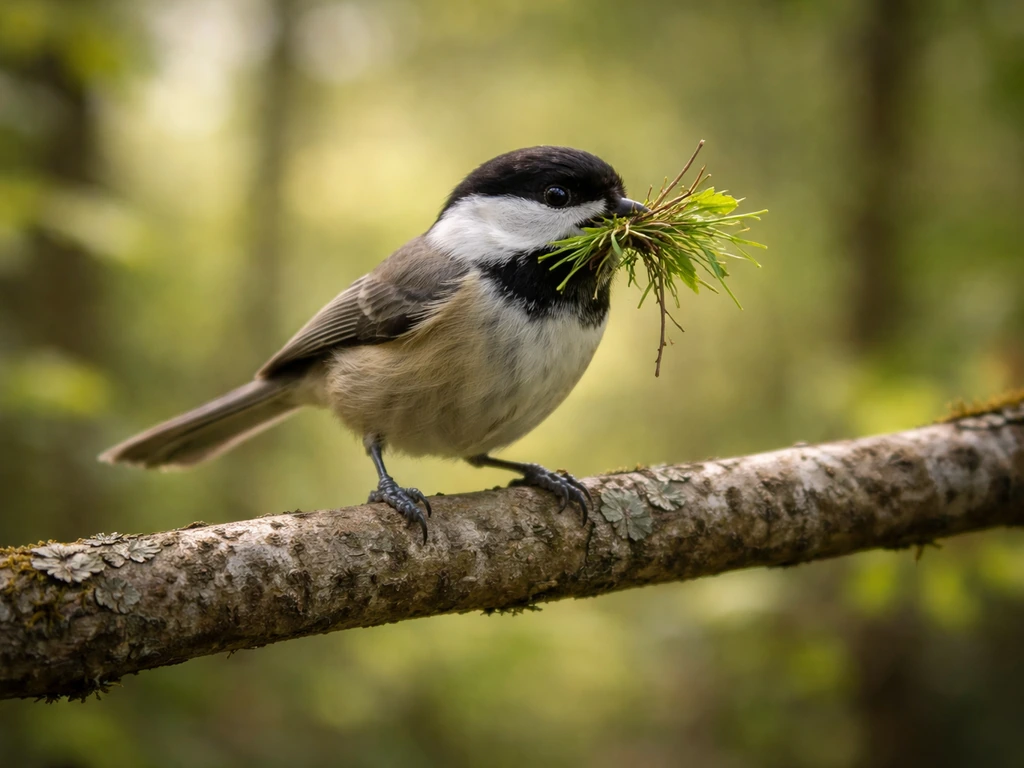
If you're looking at a wildlife photo, step back before assigning symbolism. A bird carrying a flower or plant material in a real-life photo is most likely engaged in nest-building, foraging, or feeding behavior. The meaning here is biological, not symbolic, though the image can still feel resonant and intentional even when it isn't.
The bigger symbolic story: romance, peace, and everything between
Across cultures and centuries, the bird-with-flower image taps into a consistent set of human themes. If you are trying to figure out the bird in the sky meaning, use the same approach: identify the bird and flower, then match the symbolism to the style and culture. At its core, it's about something living and free voluntarily carrying something beautiful and offering it. That's why the symbolism clusters so reliably around these ideas:
- Romantic love and courtship: the bird as a stand-in for a suitor or lover, bringing a gift of beauty
- Peace and reconciliation: most powerfully anchored in the dove-and-olive-branch tradition
- New beginnings and hope: especially in spring-blooming flower imagery like plum blossom or cherry blossom pairings
- Remembrance and mourning: when the flower is white, wilted, or oriented downward
- Good fortune and joy: particularly in East Asian traditions where specific bird-and-flower combinations function as blessings
- Spiritual grace: in religious contexts, the bird as a divine messenger carrying sacred meaning
- Resilience and perseverance: especially when the flower is a plum blossom, which blooms in winter before anything else
These themes aren't mutually exclusive, and a single image can carry more than one of them simultaneously. A swallow with a white rose in memorial tattoo art might carry both loyalty (swallow) and remembrance (white rose) at the same time. The richness of the image comes from exactly that layering. Environmental Literacy Council also points out modern examples of this bird-and-flower imagery, including cases where a rose is grasped by a bird an example where a rose is shown as grasped by (or associated with) a bird.
Common variations and where people get confused
A few variations on this image come up repeatedly and tend to cause interpretation confusion. A bird carrying a branch or twig in its mouth (rather than a flower) is a related but distinct image: it leans more toward nesting, home-building, and preparation rather than romance or gifting. A bird on the glass meaning is usually about observation and symbolism, but the exact interpretation depends on the bird and what it is holding. The symbolism is still positive but shifts toward industriousness and making a home. Similarly, a bird on a flowering branch (perched on blossoms rather than holding them) is a slightly different compositional choice that puts the bird in relationship with beauty rather than actively carrying it. A generic bird on a flowering branch (rather than holding the flower) can shift the mood in a way that’s worth cross-checking with the bird on a branch meaning guide.
People also sometimes conflate a bird holding a flower with a bird holding an olive branch, treating them as interchangeable peace symbols. The olive branch specifically carries the peace-and-reconciliation reading, largely because of its Biblical origin. A generic flower doesn't automatically trigger that reading unless the context strongly implies it. It's worth being precise about what the bird is actually holding before assigning meaning.
Another common misread: assuming the meaning must be romantic just because the image looks pretty or delicate. In East Asian traditions especially, a bird-and-flower combination might be wishing you good luck, celebrating the arrival of spring, or conveying philosophical ideas about perseverance. The romantic reading is Western-defaulted. If the art has any East Asian stylistic influence, consider the broader range of meanings before landing on love as the primary interpretation.
How to get a confident answer about your specific image
If you're trying to interpret a specific image rather than the concept in general, here's a practical process that actually works:
- Identify the bird species if possible. Use Merlin Bird ID (free app, photo upload) for real photos or iNaturalist for community confirmation. For stylized art, note the bird's shape, size, color, and any distinctive markings like a forked tail (swallow) or iridescent feathers (hummingbird).
- Identify the flower. If it's a real photo, the Seek app by iNaturalist does plant identification from photos the same way Merlin does for birds. For stylized art, look at petal shape, color, and number of petals: five petals often indicates a rose family bloom or plum blossom, many petals suggest a chrysanthemum or similar.
- Note the artistic style. Traditional East Asian brushwork? Western realism? Tattoo flash art? Folk art? Each tradition has its own symbolic vocabulary, and the style tells you which one to read the image through.
- Consider the context the image appeared in. A greeting card, a tattoo, a museum painting, a meme, and a nature photo each come with very different default meaning frameworks.
- Check whether the flower's orientation or condition tells you something. Upright and fresh suggests offering or celebration. Downward or wilted suggests mourning or loss.
- Cross-reference the bird's known symbolism with the flower's symbolism and see where they overlap. That overlap is almost always the intended meaning.
If the image is a tattoo you're considering getting or one you're trying to understand on someone else, the most direct route is just to ask the artist or wearer what meaning they intended. Tattoo symbolism is often intensely personal and may not map onto any cultural tradition at all. The bird and flower might represent specific people, memories, or ideas that only make sense in that person's story.
For traditional or historical artwork, museum databases and art history resources can often tell you exactly which symbolic tradition a specific bird-and-flower combination belongs to. If you know the approximate origin culture and time period, that usually narrows the meaning down considerably faster than trying to decode the image cold.
FAQ
Does the meaning change if the bird is holding the flower in its beak versus actually carrying it in its mouth?
Yes, but only when the image looks like a stylized offering rather than a literal moment. If the flower is clearly presented to the viewer (centered, upright, or reaching outward) it usually reads as a gift or message, even if it is technically “held” near the beak rather than fully inside it.
How can I tell if a bird-with-flower tattoo is meant to be memorial or mourning instead of romantic?
Remove the romance default if the flower is positioned like a memorial marker, for example drooping, shaded, or paired with somber colors, and especially if the tattoo includes date text or a name. In these cases the bird can still be “messenger,” but the message is remembrance or respect rather than courtship.
Do wilted or damaged flowers change the meaning compared to fresh blooms?
In most symbolic interpretations, yes. A fresh rose or bright bloom typically signals an active offering, while a wilted, fallen, or partially broken flower shifts the emotional tone toward loss, goodbye, or longing. The same bird can keep its “messenger” role while the flower changes the message.
What is the biggest mistake people make when trying to interpret the meaning of this image?
Yes. Some birds are strongly tied to specific narratives, so using the wrong species can flip the theme. A magpie with plum blossom is often read as spring-good-fortune imagery in the bird-and-flower tradition, while a dove with a branch usually pulls the peace reading. When species is uncertain, focus on the flower and the art style before locking in one theme.
If the art is in a Chinese or Japanese style, how should I account for layered symbolism beyond the bird and one flower?
Traditional East Asian bird-and-flower art often uses motifs as systems, not one-off symbols. If you see multiple supporting elements (rock, bamboo, specific blossom type, seasonal palette), treat them as part of the encoded meaning, not decoration. In other words, one extra motif can add layers beyond “love” or “peace.”
What does it mean if the bird is carrying a twig or branch that resembles a flower but is not clearly a bloom?
It can, and it usually means “home-building” or “preparing” rather than gifting. If what the bird holds looks more like twigs, nesting fibers, or an unraveled plant piece than a decorated blossom, the interpretation tends to track preparation and domestic themes instead of romance.
How do I interpret this image when it’s a wildlife photo, not art or a tattoo?
For wildlife photos, the safest approach is to treat symbolism as mood, not message. Birds carrying plant material in nature is commonly nest-building, feeding, or courtship behavior depending on the species. If you want a practical read, look for contextual cues like whether the bird is near a nest site or interacting with another bird.
Does meme culture use the same meaning as tattoos and fine art?
If the image is a meme, symbolism is often intentionally simplified. The “sweet offering” reading usually dominates, and accuracy depends less on species and more on how the flower is being offered (tone, expression, text overlay). If there is text, let it override the traditional art interpretation.
Can an olive branch and a generic flower in the bird’s mouth be treated as interchangeable peace symbols?
Most of the time, yes. Even within a general theme like peace, an olive branch can carry a more specific reconciliation meaning, while a generic flower depends on the bloom type and context. If you want the closest parallel, identify whether it’s explicitly olive-like or clearly a different plant.
If I’m considering getting one as a tattoo, what should I ask the artist or wearer to confirm its meaning?
Cross-check meaning by asking one targeted question: “What exact message do you want it to convey in your story?” For example, “Is it about someone returning home, about hope after loss, or about a relationship promise?” Artists and wearers often choose a bird for the emotional role and a flower for the specific event, so asking about both yields better clarity than asking only “what does it mean?”
Next Article
Bird on the Glass Meaning: What It Really Means Now
Understand bird on the glass meaning, what to do after a window strike, and common messages, warnings, or luck beliefs.