
Most likely, when someone says "throw a bird" in a text, comment, or chat, they're either referencing a gesture of dismissal (something in the same family as "flipping the bird"), using it loosely to mean sending a pointed message or insult someone's way, or they're speaking completely literally. The phrase itself isn't a fixed idiom with one locked-in definition, which is exactly why it can feel confusing when you spot it. The meaning almost always depends on who said it, where, and what came right before or after it.
Throw a Bird Meaning: Slang, Mishearing, and How to Respond

Marcus Whitmore
12 Jun 2026

What "throw a bird" most likely means in everyday English
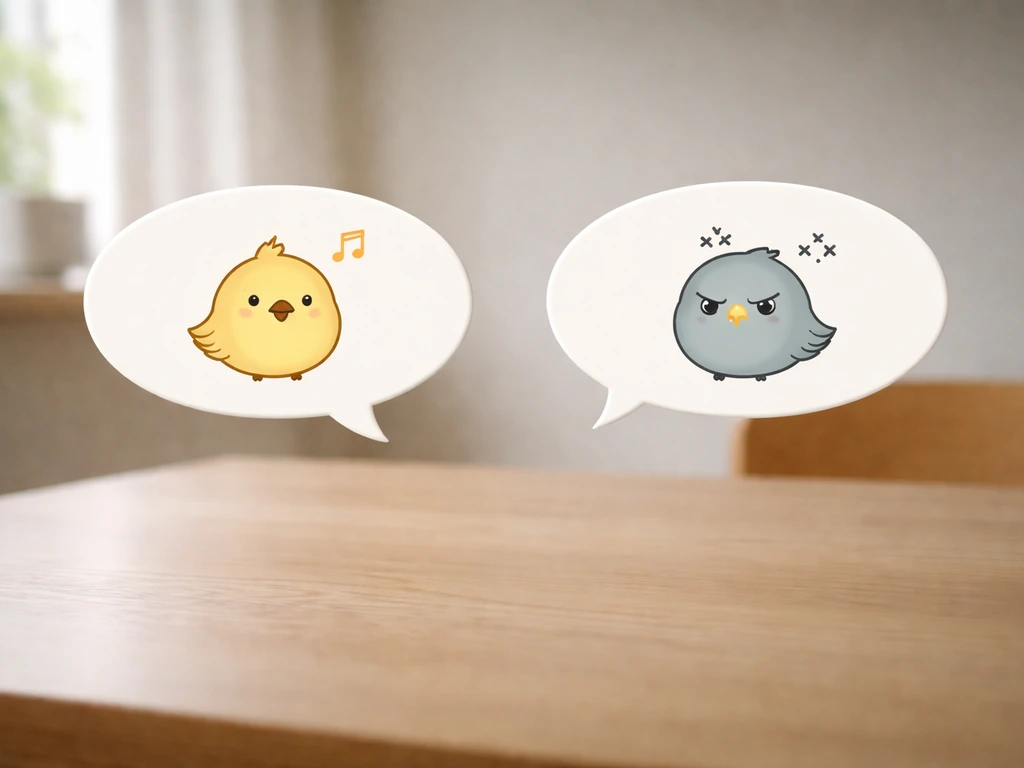
"Throw a bird" doesn't have a single dictionary-stamped definition, so the first thing to accept is that you're dealing with a flexible, context-dependent phrase. That said, there are a few common territories it tends to land in. The most recognizable relative in this family is "flip the bird," a well-documented slang term for making the middle-finger gesture, which has been in print since at least 1967. If someone says "throw a bird" in a heated or sarcastic exchange, there's a real chance they mean something in that spirit: throwing an insult, a rude gesture, or a pointed dismissal someone's way.
There's also a looser, more figurative use where "throwing a bird" at someone or something means directing contempt or rejection toward it, drawing on the older sense of "getting the bird," which historically described performers being booed off stage. In vaudeville-era audiences, small bird-shaped whistles were actually thrown onto the stage as a sign of disapproval, which is where that roots-level connection between birds and rejection comes from. So "throw a bird" in a figurative context can carry that same flavor: you're sending someone a signal of dismissal.
Common interpretations in slang and online speech
Online, the phrase shows up in a few different registers. In comment sections and social media, it sometimes appears as a colorful way of saying someone got disrespected or that the speaker wants to express contempt. Think of it as a visual way of saying "I'd flip you off right now. Think of it as a visual way of saying "I'd flip you off right now," and this bird you cannot change meaning is a reminder that the intended insult is the key part. " In gaming chats and Discord servers, it can be playful trash talk rather than genuine hostility, the way a lot of insult-flavored slang gets used between people who are actually friendly.
In other online contexts, especially in threads or comment sections focused on actual birds or animal behavior, "throw a bird" gets used completely literally, and people genuinely mean the physical act of tossing a bird. One Reddit thread poses the question "How unethical is it to throw a bird at the sky?" and the answers treat it entirely seriously, as a moral question about animal welfare. This is a good reminder that the phrase has no established idiomatic lock-in, and you can't assume figurative intent just because you're online.
Context cues: relationships, conflict, joking, and social media
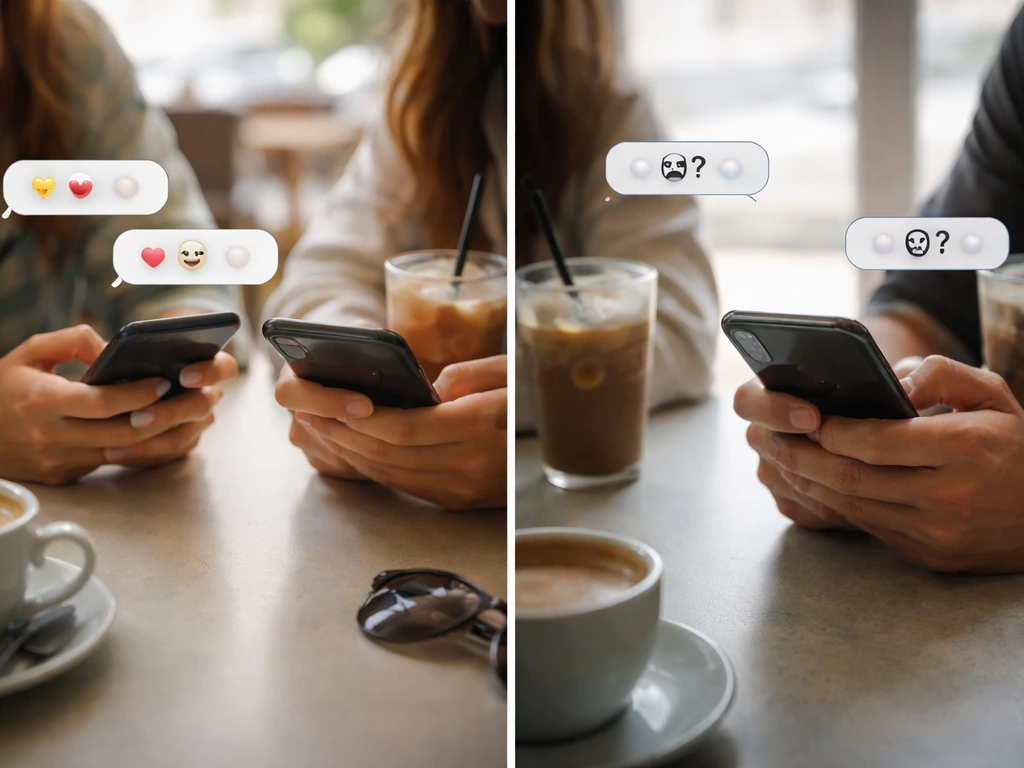
The surrounding context does almost all the heavy lifting here. A few things to look at right away:
- Relationship and tone: If two people have a banter-heavy dynamic and the phrase appears mid-joke, it's almost certainly playful, not a real insult. If it shows up after a genuine argument or in a tense thread, the dismissal or contempt reading is more likely.
- Platform: On a gaming server or meme-heavy subreddit, slang readings are far more common. On a wildlife or bird-watching forum, the literal reading is probably correct.
- What came before: If the conversation is about disrespecting someone, sending a message, or expressing frustration, the figurative/gesture-adjacent meaning tracks. If the conversation is about animals, wildlife, or something physical, literal is more plausible.
- Emojis and punctuation: A middle-finger emoji or a laughing emoji nearby strongly signals which register the speaker is in. A serious question mark or concerned tone points toward literal.
- Audience size: In a public post or a broad comment section, people tend to lean into slang or humor. In a private text between two people, context from the whole conversation matters more.
Sarcasm and irony add another layer. Because "throw a bird" doesn't carry the immediate recognition of a fixed idiom, a sarcastic or ironic use depends entirely on shared context between the speakers. Without that shared knowledge, you genuinely can't tell from the words alone. Corpus- und Kontextanalysen helfen dabei zu erklären, warum die Bedeutung von Idiomen situationsabhängig variieren kann und identische Zeichenketten zu unterschiedlichen figurativen Lesarten führen können Sarcasm and irony add another layer.
Alternative phrasings and close variants
It's worth checking whether "throw a bird" is actually a variant of something else the speaker meant. The closest well-known phrase is "flip the bird," which is the documented idiom for the middle-finger gesture. "Throw a bird" could easily be a casual reworking of that, especially in writing where people swap verbs freely. It could also be a loose paraphrase of "get the bird," meaning to be dismissed or rejected.
Mishearing or misreading is also genuinely possible. English has a pile of established "throw" idioms: "throw in the towel" (give up), "throw a fit" (become very angry or upset), "throw someone under the bus" (betray someone to protect yourself). If someone was paraphrasing one of those and substituted "bird" out of habit, error, or creative improvisation, the meaning could be quite different from what a slang-focused reading would suggest. "Throw in the towel" and "throw a bird" sound nothing alike in writing, but in fast speech or autocorrect-heavy texting, stranger mutations happen.
| Phrase | Core meaning | How it relates to "throw a bird" |
|---|---|---|
| flip the bird | Make the middle-finger gesture at someone | Closest slang relative; "throw" may substitute for "flip" in casual use |
| get the bird | Be rejected or dismissed with contempt | Shares the dismissal/contempt register; historical origin involves literal bird objects |
| throw in the towel | Give up or surrender | Same "throw" structure; possible mishearing if someone meant this |
| throw a fit | Become very angry or upset | Another common "throw" idiom that could be confused in paraphrase |
| throw someone under the bus | Betray someone for selfish reasons | Shares the "throw [target]" structure; could be confused if context is about betrayal |
When it's not an idiom at all
Sometimes "throw a bird" is just what it sounds like. You might also run into the phrase about catching a bird with bare hands, whose meaning is a separate expression worth checking on its own catching a bird with bare hands meaning. [A pitcher accidentally killing a bird mid-throw during a baseball warmup is a real news story](https://www. kctv5.
com/2023/05/18/diamondbacks-pitcher-accidentally-kills-bird-with-pregame-throw/), not a metaphor. Someone asking "why throw a bird? " in a comment thread about a cartoon or video game is almost certainly reacting to a literal on-screen event. The phrase has no idiomatic lock that forces a figurative reading, which means that if the surrounding conversation is about actual birds or physical actions, take it literally.
The safest rule: look for figurative cues first, and if none are present, treat it as compositional language where each word means exactly what it says.
This is actually what makes "throw a bird" different from something like "pull a bird," which in British slang has a much more specific and well-established meaning (successfully attracting a romantic partner). That phrase has a settled figurative reading that most speakers in that context would recognize. In contrast, the phrase "pull a bird" in British slang has a much more specific, well-established meaning related to successfully attracting a romantic partner pull a bird meaning. "Throw a bird" doesn't have that settled status, so it's always worth checking the context rather than assuming.
How to figure out what someone meant in a specific conversation

If you're genuinely stuck, here's a practical sequence for working it out: If someone says “catch a bird” in conversation, it usually points to a different slang idea than “throw a bird,” so it helps to look at the exact wording and context before guessing catch a bird meaning.
- Read the three to five messages around it. Does the conversation have any aggressive, dismissive, or joking energy? That points toward a slang or figurative reading. Is it calm, informational, or about nature or games with literal birds? Lean literal.
- Check the platform and group. Discord gaming servers, meme subreddits, and Twitter/X replies run hotter on slang. Bird-watching communities, wildlife threads, and parenting forums tend toward literal language.
- Look for emojis or punctuation signals. A middle-finger, laughing, or eye-roll emoji is a near-certain marker of figurative or ironic use.
- Consider whether it could be a variant of a known phrase. Ask yourself: could they have meant "flip the bird," "throw in the towel," or another established idiom? Does that reading make more sense in context?
- If you still can't tell, just ask. A simple "wait, did you mean that literally?" or "are you quoting something?" is low-risk and clears it up immediately.
Why birds keep showing up in slang and what they communicate symbolically
Birds have carried symbolic weight in language for a long time, and it's worth understanding why the word "bird" ends up embedded in so many figurative expressions. Birds are historically associated with messages and communication (think of carrier pigeons and the idea of a bird as a messenger), but they're also associated with freedom, defiance, and the unreachable. When you "flip the bird" or "get the bird," the gesture or dismissal lands with a kind of pointed energy, a message fired off and sent away, that lines up with how birds have always functioned symbolically: swift, aimed, and free to go wherever they please. In that same symbolic lane, people also search for what an “untouchable bird” means in different contexts and cultures untouchable bird meaning.
The vaudeville-era custom of throwing bird-shaped whistles at performers to signal disapproval is a vivid example of this: the bird object was literally thrown as a message of rejection, and that image baked itself into idiom. In British slang, "bird" is also used as a term for a person (especially a woman, though the usage is dated), which is part of why expressions like "pull a bird" developed their own separate meanings. The word carries enough symbolic flexibility that speakers keep reaching for it when they want to signal something pointed, free, defiant, or communicative.
So when you see "throw a bird" in a figurative context, the underlying logic usually traces back to one of these threads: sending a message of contempt, making a gesture of dismissal, or directing something sharp and pointed at a target. That exact “ignore the bird, follow the river” meaning is often used as a counterpoint for what to do when people say something dismissive ignore the bird follow the river meaning. The bird is the vehicle, and the meaning is the flight path. Understanding that symbolic backbone is what lets you recognize bird-based slang across different phrases and contexts, even when the specific wording is new or unusual.
FAQ
If I see “throw a bird” in a comment thread, how can I tell whether it is figurative or literal fast?
Check what the surrounding post is actually about. If the discussion is about conflict, insults, or dismissing someone, it is likely figurative (in the same neighborhood as rude dismissal gestures). If the thread is describing a scene involving animals, sports, cartoons, or video gameplay, treat it as literal or on-screen description instead, since the phrase has no fixed idiom lock.
What should I reply if someone texts “throw a bird” to me and I’m not sure they mean an insult?
Ask a short clarifying question that does not escalate, for example, “What do you mean by that?” If they were being sarcastic, they will usually explain the intended gesture or reference. If they refuse to clarify and keep attacking, that is a sign to disengage rather than debate the wording.
Could “throw a bird” be a misquote of “flip the bird,” and how do I confirm?
Yes, people sometimes swap verbs when they are writing quickly or being vague about profanity. Confirmation usually comes from clues like the message being a dismissal and the presence of other anger signals (caps, multiple exclamation points, or a direct insult). If the other person also mentions “middle finger” or “off you,” assume it is that same meaning family.
Is “throw a bird” ever used playfully rather than hostile, like in gaming chats?
It can be. In friendly gaming communities, insult-like slang is sometimes used as banter, where the tone markers (smiley emojis, joking language, quick apology, or “GG” style wrap-ups) suggest low stakes. If you do not see those softeners, assume it is unfriendly until you have evidence otherwise.
What if someone is talking about actual birds and still says “throw a bird,” could it be a metaphor?
Usually not, but there is an edge case. In bird-related discussions, the phrase is most often literal, especially if they mention actions like tossing, throwing, catching, or observing wildlife. If they also describe emotions or relationships, then it might be a metaphor, otherwise default to the physical interpretation.
Can “throw a bird” be confused with other “throw” phrases, like “throw a fit” or “throw in the towel”?
Yes, mishearing and autocorrect can create odd substitutions. If the sentence structure matches a known “throw” idiom (for example, “just threw a ____” or “time to throw in the ____”), compare the overall grammar to see whether “bird” could be an accidental replacement for a different word.
Does “throw a bird” have any settled meaning in British slang the way “pull a bird” does?
No, “throw a bird” is not as settled. “Pull a bird” has a relatively specific recognition in its slang context, but “throw a bird” tends to stay flexible and context dependent. When you are relying on slang recognition, treat “throw a bird” as ambiguous until you locate the topic and tone of the conversation.
I saw “catch a bird” mentioned alongside “throw a bird.” Are they related, and should I use that to interpret the meaning?
They can be related only loosely, in that both involve “bird” language, but “catch a bird” often points to a different slang idea than “throw a bird.” Use the exact wording, not just the shared word “bird.” If the conversation jumps between catching and throwing, that usually signals separate phrases or separate literal actions.
What is the safest general rule for interpreting “throw a bird meaning” when context is unclear?
Treat it as compositional language by default (each word means what it says), then switch to figurative meaning only if the surrounding text clearly involves insults, rejection, or dismissive humor. If you cannot find figurative cues, literal interpretation avoids the risk of misunderstanding someone’s intent.
Next Article
Catching a Bird With Bare Hands Meaning and Usage
Meaning of catching a bird with bare hands, figurative usage for patient, gentle success without force, plus example rew