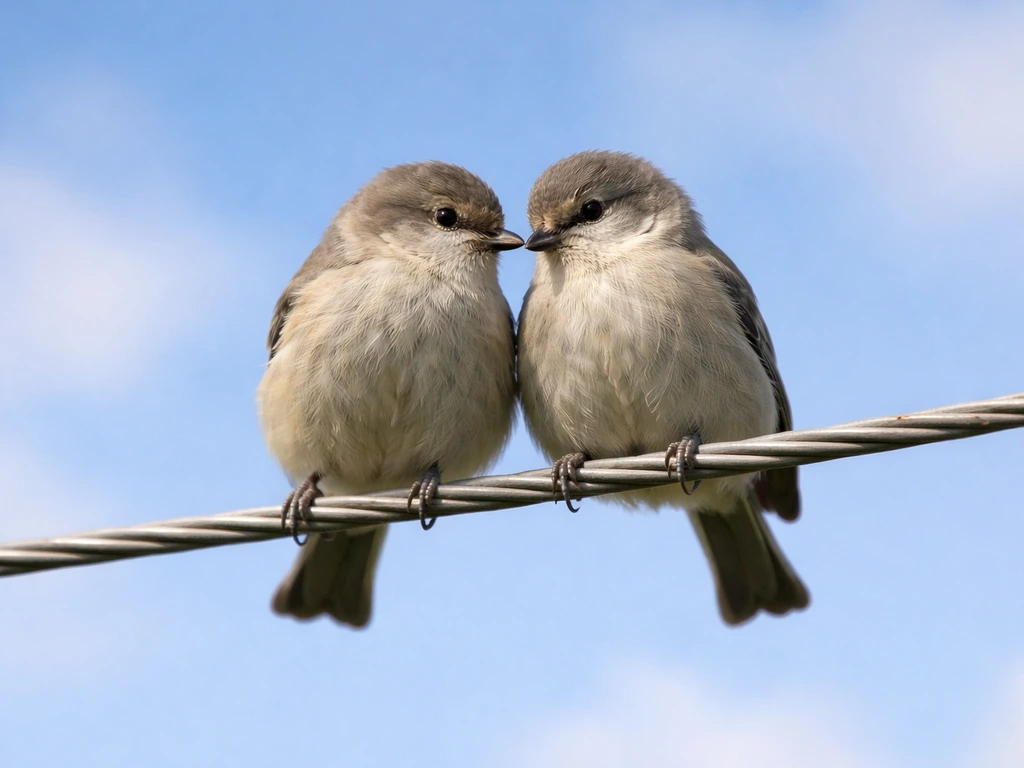
Killing one bird with two stones means accomplishing two goals through a single action or effort. It's a variant wording of the much more common idiom 'kill two birds with one stone,' and while the words feel switched around, the core idea is the same: you do one thing and get two results out of it. Think of it as the linguistic equivalent of a two-for-one deal. If you stop at the grocery store on the way to pick up your friend, you've done exactly that, one trip, two tasks, zero extra effort.
Killing One Bird with Two Stones Meaning and Examples

Marcus Whitmore
22 Jun 2026
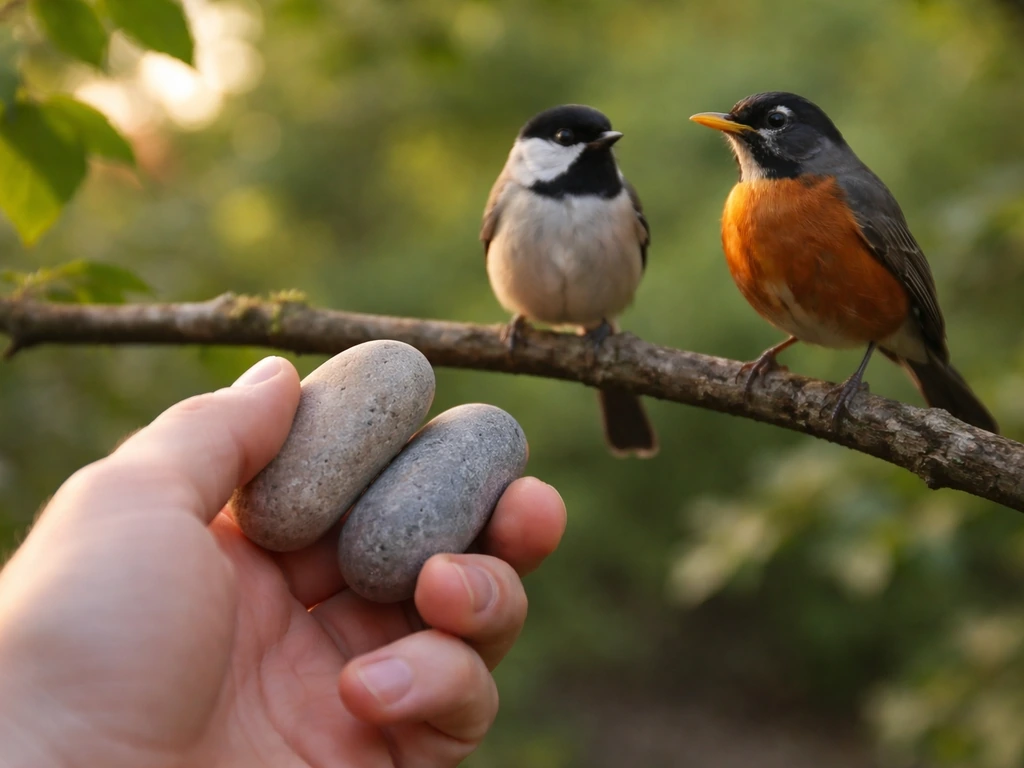
What the proverb actually means (and all its wording variants)

The standard version of this idiom in English is 'kill two birds with one stone,' which blank" rel="noopener noreferrer">Cambridge, Merriam-Webster, and Oxford all define the same way: achieving two things at the same time with one action. In the Cambridge Dictionary blog excerpt, “kill two birds with one stone” is explained as achieving two things at the same time blank" rel="noopener noreferrer">achieving two things at the same time with one action. The phrase you've likely searched, 'killing one bird with two stones' or 'killing two stones with one bird', is a scrambled or reversed version of that core expression. The meaning doesn't flip when the words do. All of these wordings point at the same idea: double the outcome, single the effort.
Here's a quick look at the variants you'll encounter and what each one is really trying to say:
| Wording | Standard or Variant? | Meaning |
|---|---|---|
| Kill two birds with one stone | Standard (most common) | One action, two results |
| Killing one bird with two stones | Reversed variant | Same idea — single effort, dual outcome |
| Killing two stones with one bird | Scrambled/error variant | Still understood as the same idiom |
| Two birds, one stone | Shorthand version | Same meaning, used informally |
The reversed wordings ('one bird, two stones' or 'two stones, one bird') tend to crop up when someone is paraphrasing from memory, translating from another language, or simply mixing up the order mid-sentence. A University of Colorado Boulder article documented 'killing two stones with one bird' as an error variant, something said by a speaker who knew the idiom but got the nouns crossed. This is not a failure of language; it's how idioms live and travel. The listener still understands the intent.
Why a bird and stones? Where the imagery comes from
At its most literal level, the original idiom paints a picture from pre-modern hunting or pest control: throw one stone and knock two birds off a branch at once. It's an image of maximum efficiency from minimum input, which is exactly why it stuck. Birds were practical targets, they were hunted for food, and hitting two with a single throw was a rare and satisfying piece of luck. The saying became a metaphor for that same accidental (or skillful) double-payoff in everyday life.
The phrase has been documented in English since at least the early 1600s, appearing in a 1611 text by English scholar Thomas Hobbes's contemporary Francis Willughby as well as in similar forms across European languages. The concept itself is older still, many cultures have parallel expressions built around hunting, archery, or throwing, all making the same point: one well-aimed effort should do more than one job.
Birds specifically show up in this idiom because they were among the most common targets of exactly this kind of opportunistic efficiency. They flock together, they perch in groups, and a good throw could realistically catch more than one. The 'bird' in this phrase is less about any particular species and more about birds as symbols of fleeting, mobile opportunity, something you have to catch quickly before it flies away. That's a recurring theme in bird-related idioms across cultures, where birds tend to represent chances, ideas, or goals that are within reach but won't wait forever.
How to actually use it in conversation
The best time to use this phrase is when you're describing a plan, decision, or action that solves two problems or achieves two goals at once, especially when you want to highlight the efficiency of it. It works in casual conversation, workplace settings, negotiations, and everyday planning. Here are some real-world examples across different contexts:
At work

- "Let's schedule the team debrief right after the client call — we can kill two birds with one stone and get everyone aligned while the conversation is still fresh."
- "If we redesign the onboarding email, it'll improve retention and also reduce support tickets. That's killing two birds with one stone."
- "I'll handle the vendor meeting and the budget review in the same afternoon trip downtown — might as well knock both out at once."
In everyday life
- "I'm going to walk to the pharmacy instead of driving — I get my steps in and pick up the prescription. Two birds, one stone."
- "We're visiting my parents on the way to the airport — saves a separate trip and keeps everyone happy."
- "Cooking a double batch tonight means we have dinner now and lunch sorted for tomorrow without any extra cleanup."
In conflict resolution or negotiation
- "If we agree to the extended payment terms, we keep the client and free up their cash flow — that kills two birds with one stone for both sides."
- "Moving the meeting location addresses both teams' concerns about commute time. It's a practical fix that solves two problems at once."
Notice that you don't have to use the exact phrase every time. 'Two birds, one stone' as a standalone shorthand is perfectly natural in informal speech. In more formal writing, you might opt for 'achieve two goals simultaneously' or 'address both issues at once' to avoid the idiom entirely if your audience skews literal.
Similar expressions worth knowing
English isn't short on ways to say 'one action, two results. A 'bird of a different feather' is another common idiom that points to someone being different in character or style from others. ' Depending on the context, tone, and audience, you might reach for one of these instead:
- Kill two birds with one stone — the standard, most widely recognized version of the same idiom
- Hit two targets with one arrow — common in some European languages and used in English too
- One fell swoop — emphasizes the speed and totality of an action, though it doesn't specifically imply dual results
- Two for one — informal shorthand, more commercial in feel
- Double-dipping — usually carries a slightly negative or cheeky connotation (getting benefit twice from a single source)
- Multitasking — functional and modern, but loses the elegance of the idiom
- A win-win — suggests mutual benefit, slightly different angle but overlapping territory
The bird-specific version is worth knowing in context with other bird idioms. Phrases like 'bird of a feather' deal with similarity and belonging, while this one is squarely about efficiency and strategy. You might also be thinking of the bird of a feather meaning, which is a different idiom about people who share similar traits. The bird in 'kill two birds with one stone' isn't a species with symbolic weight the way a raven or dove might carry in poetry, it's simply a target. That said, the use of birds as stand-ins for goals, chances, and fleeting opportunities is a consistent thread across bird-related expressions in English and beyond.
Misunderstandings people have with this phrase

A few things trip people up with this idiom, and it's worth clearing them up directly. Some people also wonder what “left wing and right wing same bird meaning” refers to, but that phrase is not part of the standard “two birds with one stone” idiom meaning this phrase.
It's not about animal cruelty
This is probably the most common objection. The idiom uses hunting imagery, which feels jarring to modern ears, especially in a culture where bird-watching is more popular than bird-hunting. Some people on Reddit and other language forums have flagged the phrase as too violent and asked for gentler alternatives. The hunting framing is purely historical; no one using the phrase today is endorsing or implying harm to birds. It's a figure of speech, full stop. If the imagery genuinely bothers you or your audience, 'one action, two results' or 'hitting two targets at once' works just as well.
The reversed wording doesn't mean something different
If someone says 'killing one bird with two stones,' they are not describing a scenario where you're using extra resources wastefully (which would actually be the opposite of the intended meaning). That idea is sometimes summarized as the two wings of the same bird meaning: different words pointing to the same intended message. The scrambled version is just a memory slip or regional variant. The listener and speaker almost always share the same understanding. Context makes intent clear.
It doesn't imply sneakiness or unethical behavior
Some people conflate 'two birds, one stone' with being sly or cutting corners. The phrase “two bird on a wire meaning” is a separate saying, so it helps to learn its exact definition rather than assuming it matches this proverb two birds, one stone. It doesn't carry that connotation. It's a neutral to positive expression, it suggests resourcefulness, smart planning, and efficiency. If anything, it's a compliment to the person doing it. The only exception is if someone uses it sarcastically, which tone and context will make obvious.
Don't confuse it with idioms about futility
Killing one bird with two stones could, if read purely literally, suggest wastefulness, you're using twice the tools for one target. If you’re wondering about the “2 headed bird meaning,” it usually comes from a different symbolism, not this proverb’s efficiency message Killing one bird with two stones. In the real idiom's logic, that's the wrong reading. The efficiency is always in the output, not the input. You get double the result, not use double the resource. Keep that ratio clear in your head and you'll use it correctly every time.
Birds in metaphor: why they keep showing up in language
Birds are everywhere in English idioms, and it's not an accident. Across cultures, birds have long represented things that are present but not permanent: opportunity, freedom, communication, and the spirit of an idea. They appear in your field of view, and then they're gone. That transience makes them perfect metaphors for goals and chances that need to be seized before they disappear.
In this particular idiom, the bird isn't chosen for symbolic meaning the way a dove represents peace or a raven represents mystery. Here, the bird is simply a target, something you're trying to hit. What the idiom borrows from bird symbolism is that sense of limited opportunity. You have to aim well and act fast. The stone is your method, and if you're skilled or lucky, one throw handles more than one problem.
This idea of birds as goals or fleeting opportunities surfaces in other expressions too. 'A bird in the hand is worth two in the bush' is a close cousin, it's also about birds representing things you're trying to secure, and whether it's smarter to hold what you have or reach for more. The cultural significance here isn't about any specific bird species, but about how birds as a category became shorthand for things people want but can't always catch. That's why they keep appearing in the language of strategy, luck, and smart action.
If you're interested in how birds function symbolically across different types of phrases, it's worth exploring related expressions like how 'two birds on a wire' evokes partnership and shared fate, or how two-part bird metaphors in general tend to deal with duality, balance, and the relationship between effort and reward. A quick way to remember the “two wings of the same bird” meaning is that it refers to two things that are closely connected or essentially the same two-part bird metaphors. The idiom you're looking at sits in that same tradition, it just happens to be one of the most practically useful ones in the bunch.
FAQ
Is “killing one bird with two stones” grammatically correct in English?
It’s understood, but it’s not the most standard phrasing. Most native speakers would say “kill two birds with one stone” or the shorter “two birds, one stone.” If you want maximum clarity in writing, use the standard form or “achieve two results with one action.”
Does the idiom ever imply cruelty or literal harm?
No. The hunting image is historical and figurative. In modern use it means efficiency or solving multiple problems at once, you can use it without any literal bird-related meaning.
What does the phrase mean if I’m doing it the other way around (one stone for two tasks is clear, but what about “one bird”)?
The “one bird” part is just part of the picture, the meaning stays the same even when the nouns are scrambled. Listeners interpret it as one action creating two outcomes, not as a claim about the tools or targets.
Can it be used for business or work situations, or is it only for casual talk?
Yes, and it often fits well in business contexts like project planning, negotiations, or process improvement. In more formal documents, consider using “address both issues at once” to keep the tone neutral and avoid the violent imagery.
Is there a difference between doing “two things at the same time” and doing “two things with one action”?
Yes, and the idiom leans toward the second idea. “With one action” means the same step or decision produces both benefits, even if the results show up separately. If it’s truly only multitasking at the same time, “two at once” may communicate more precisely.
When would using the idiom be a mistake or could sound wrong?
Don’t use it when the situation actually requires extra work, cost, or resources. The idiom is about an improved payoff from the same effort, if you’re doubling inputs for one outcome, a different expression like “more effort for the same result” fits better.
Does it have a positive, neutral, or negative connotation?
Typically neutral to positive, it suggests smart planning and efficiency. It can turn sarcastic if the context is critical, for example when someone’s “efficient” plan creates hidden downsides. Tone and details around the sentence decide.
What are good alternatives if the bird-hunting wording feels uncomfortable to my audience?
Use “one action, two results,” “hit two targets at once,” “solve two problems with one move,” or “get two benefits from the same effort.” These keep the meaning while removing the historical hunting picture.
Is “two birds, one stone” always interchangeable with “killing one bird with two stones”?
Mostly yes, “two birds, one stone” is the common shorthand and carries the same meaning. However, if you specifically need “one action” or “two outcomes” emphasized, choose the clearer variant “one action, two results” to avoid any ambiguity.
Next Article
Two Birds on a Wire Meaning: Literal and Symbolic Interpretations
Meaning of two birds on a wire, from literal birds perched together to symbolism like pairing, connection, and balance.